
How to Handle Oversized and Overweight Shipments Without Delays or Penalties
- ULS Freight
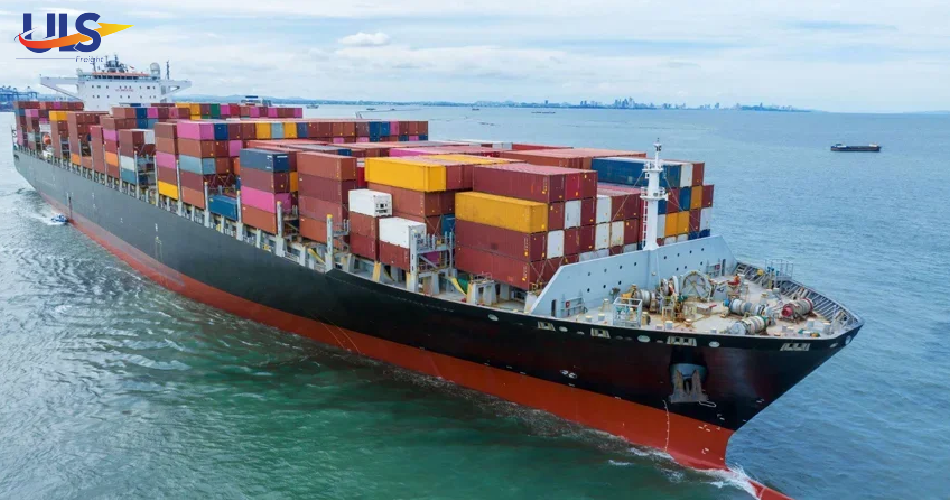
Moving a shipment that exceeds standard dimensional or weight thresholds is not a variation of regular freight management. It is a fundamentally different operational challenge with its own permit requirements, carrier qualifications, route restrictions, and regulatory compliance obligations. Attempting to manage oversized freight through a standard carrier without the right expertise results in permit violations, roadside detentions, carrier refusals, and costly delays that standard freight never creates. ULS Freight specialises in oversized and overweight freight management across Canada.
Need flexible shipping for large or irregular loads? Learn how tailored logistics can improve efficiency in this Flatbed Freight Services Overview and understand how open-deck transport supports safe loading, faster handling, and cost-effective freight movement across Canada
The most common and most expensive mistake in oversized freight is proceeding without the correct permits. Every Canadian province governs the movement of oversize and overweight vehicles and loads under its own commercial vehicle regulations. A load that is legal in Ontario may be non-compliant in Quebec. A height that clears bridge structures on one route may not clear on the carrier’s actual path. Without a permit specialist who knows these requirements by route and by province, you are moving the load on hope rather than compliance.
- Overweight permits are required when the gross vehicle weight or axle weight exceeds provincial limits.
- Over-dimension permits govern loads exceeding standard limits for height, width, or length.
- Route-specific surveys identify low bridges, narrow corridors, and weight-restricted roads before departure.
- Pilot vehicles are required for loads exceeding specific width or height thresholds in most provinces.
- Time-of-day and day-of-week restrictions apply to many oversize load movements on major corridors.
Do not risk a detention, a fine, or a carrier refusal on your next oversized shipment. Contact ULS Freight today and let our permit and routing specialists handle the compliance so your load moves without disruption.
The Permit Process and Why It Cannot Be Rushed
Obtaining the correct permits for an oversize or overweight shipment in Canada involves contacting the permit authority in each province the load will transit, providing the exact dimensions and weight of the loaded vehicle, and receiving route approval before departure. This process takes a minimum of 24 to 72 hours under normal conditions and longer when the load requires infrastructure review or when the route involves complex permit authority coordination. Starting the permit process after you have already confirmed pickup creates a compliance gap that routinely results in last-minute delays.
Need dependable transportation for pallets, bulk shipments, or cross-border freight? Learn how modern trucking solutions simplify logistics in this Ground Freight Trucking Service Guide and understand how FTL and LTL options improve flexibility, reduce costs, and ensure secure delivery every time
ULS Freight initiates the permit process as soon as the load dimensions and route are confirmed, because the permit timeline is the critical path for oversize freight. Our permit specialists maintain established relationships with provincial permit authorities across Canada and understand the specific documentation requirements of each, which significantly reduces the processing time compared to a first-time permit applicant navigating the process independently.
- Initiate the permit process a minimum of 72 hours before planned departure for single-province loads.
- For multi-province routes, allow 5 to 7 business days for full permit coordination.
- Provide exact loaded dimensions: length, width, height, and gross vehicle weight with payload.
- Confirm route specifics including all crossings, underpasses, and connecting roads.
- Retain permit documentation in the cab for the full duration of the move.
Carrier Selection for Oversize and Overweight Freight
Not every carrier has the equipment, the certification, or the experience to move oversized freight legally and safely. Flatbed carriers with properly rated trailers are the standard for over-dimension loads. Step-deck and lowboy configurations are required for height-sensitive cargo. Multi-axle combinations are required when payload weight must be distributed across more axle positions to comply with per-axle weight limits. Selecting the wrong carrier equipment for an oversize move creates both compliance failures and physical handling risks.
ULS Freight maintains a vetted carrier network of oversize and overweight specialists across Canada. Our carrier selection for every oversize load accounts for the equipment requirements of the specific cargo, the carrier’s compliance history, their experience on the specific route, and their availability to meet the client’s timeline. You do not have to find these carriers yourself. ULS does this work on your behalf and takes responsibility for matching the right equipment to your specific load.
- Flatbed trailers: standard for wide or long loads that cannot be enclosed.
- Step-deck trailers: required for tall loads where reducing deck height improves clearance.
- Lowboy trailers: used for the tallest equipment where maximum deck height reduction is needed.
- Multi-axle combinations: required when payload weight exceeds the rated capacity of standard axle configurations.
- Specialised rigging carriers: needed for loads requiring loading and securing expertise beyond standard flatbed.
ULS Freight has the carrier network, the permit expertise, and the routing knowledge to move your oversized freight without delays or penalties. Contact us today with your load dimensions and we will handle everything.
Looking for stress-free delivery of delicate, oversized, or high-value shipments? Explore professional handling solutions in this White Glove Freight Service Page and understand how specialized crews manage unpacking, installation, and final placement with precision and care across Canada and the USA
Move Your Oversized Load on Time and in Compliance: Start Here
Oversized freight management done correctly is not more difficult than standard freight. It is just different, and the difference is entirely manageable when you work with a partner who handles it every day. ULS Freight has moved oversize and overweight loads across every Canadian province and knows exactly what each move requires in terms of permits, routes, carrier equipment, and timing. When you bring your oversize freight challenge to ULS, you get a specialist, not a generalist trying to adapt.
The cost of getting oversize freight wrong is specific and significant: permit violation fines, carrier detention costs, load repositioning expenses, and project schedule delays that affect your clients and your reputation. The cost of getting it right, by working with ULS Freight, is the service fee for a specialist who eliminates all of these risks. That is a straightforward comparison in favour of doing it correctly the first time.
Contact ULS Freight today for a consultation on your oversized or overweight shipment. Tell us the dimensions, the origin, the destination, and your timeline. We will handle everything from there.
About ULS Freight
We are Road freight forwarder based in Canada, and offering our road freight services all across the USA, Canada, and Mexico for the last 10 years.
Recent Posts

The Global Supply Chain Crisis: How Logistics Companies Are Responding

Cross-Border Freight Challenges: Navigating Compliance in a Global Market

Freight Forwarding vs. Freight Brokering: Explore the Best Option For Yourself

Top 5 Strategies to Reduce Freight Shipping Costs Without Compromising Speed

The Impact of Canada’s Harsh Winters on Supply Chains & How ULS Freight Helps
Choosing Between Air & Sea Freight for Your Business – The Complete Guide

How 3PL Logistics Solutions Improve Supply Chain Efficiency for Modern Businesses
Ultimate Guide to White Glove Delivery

Freight Forwarding Services: A Complete Guide to Canadian and Cross-Border Shipping

What is White Glove Service & Why It Matters
Frequently Asked Questions (FAQs)
An oversized or overweight shipment is any freight that exceeds standard legal limits for weight, height, width, or length set by provincial transport authorities in Canada. These limits vary slightly by province but follow similar national standards.
Common thresholds include:
- Width over 2.6 metres
- Height over 4.15 metres
- Length over 23 metres (combined vehicle + load)
- Gross weight above 63,500 kg (depending on axle configuration)
Key points:
- Rules differ by province (Ontario vs Quebec vs Alberta)
- Axle weight limits are as important as total weight
- Even slight overages require permits
Yes, almost all oversized or overweight shipments require special permits before transport. These permits are issued by provincial transportation authorities and define the legal route, timing, and conditions for movement.
Permit requirements typically include:
- Exact load dimensions and weight
- Approved travel routes
- Time-of-day travel restrictions
- Escort or pilot vehicle requirements
Important notes:
- No permit = high risk of fines or detention
- Multi-province routes require multiple permits
- Approval time can take 24–72+ hours
Delays usually happen due to missing permits, poor planning, or incorrect carrier selection. Proper preparation eliminates most issues before the shipment moves.
Best practices to avoid delays:
- Start permit applications early (3–7 days minimum)
- Provide exact load dimensions and weight upfront
- Confirm route restrictions (bridges, highways, construction zones)
- Use experienced oversize freight carriers
- Plan for pilot vehicles if required
Key takeaway:
- Permit timeline = critical path of the shipment
Penalties occur when shipments violate transport regulations or operate without proper approvals. These penalties can be costly and include fines, detention, or load rejection.
Common causes of penalties:
- No valid oversize/overweight permit
- Incorrect declared weight or dimensions
- Route violations (restricted roads or bridges)
- Missing escort/pilot vehicles
- Improper load securing
Consequences include:
- Government fines
- Carrier detention charges
- Shipment delays or re-routing
- Increased insurance and operational costs
Oversized freight requires specialized trailers and equipment designed to safely distribute weight and meet clearance restrictions.
Common equipment types:
- Flatbed trailers → standard oversized loads
- Step-deck trailers → taller cargo needing extra clearance
- Lowboy trailers → heavy machinery and tall equipment
- Multi-axle trailers → extreme weight distribution
- Pilot/escort vehicles → required for compliance in many provinces
Important insight:
- Wrong trailer selection can cause legal and safety issues
Pilot vehicles (escort vehicles) are support vehicles that guide oversized shipments and warn other road users of abnormal loads. They are legally required in many cases.
When pilot vehicles are required:
- Wide loads (typically over 3.5 metres)
- Tall loads exceeding bridge clearance limits
- Long or multi-unit oversized combinations
- High-risk or congested route travel
Purpose of pilot vehicles:
- Improve road safety
- Warn traffic and manage flow
- Assist with navigation and turning clearance
- Ensure legal compliance during transport
Successful oversized freight management requires planning, compliance expertise, and proper coordination across permits, carriers, and routing.
Best practices for safe execution:
- Conduct full route planning before dispatch
- Secure all permits before loading begins
- Use experienced oversize freight carriers
- Match correct trailer type to cargo dimensions
- Coordinate escorts and timing restrictions
Key success factors:
- Early planning prevents 90% of delays
- Compliance is more important than speed
- Specialist freight partners reduce operational risk