
The Role of Freight Insurance in Protecting High-Value Shipments
- ULS Freight
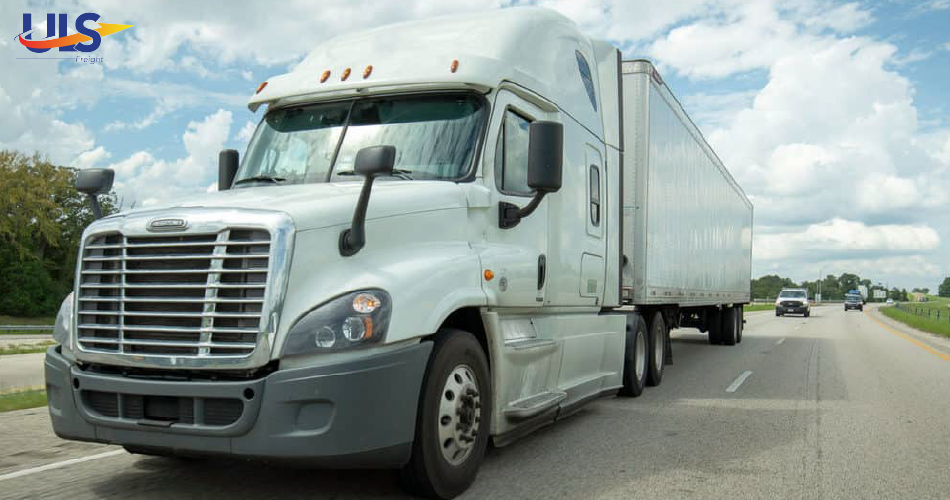
Every shipper who has experienced a significant cargo loss and relied on standard carrier liability as their only protection has had the same painful realisation: carrier liability is designed to limit what the carrier pays, not to fully compensate the shipper for what was lost. Standard carrier liability in Canada under common law and the applicable federal and provincial transport legislation typically covers a set dollar amount per kilogram of cargo weight. For high-value electronics, medical equipment, precision instruments, or luxury goods, this amount is a fraction of the actual value of the shipment. ULS Freight ensures every high-value client has freight insurance that actually covers what they are sending.
Looking for reliable transport for oversized or heavy cargo? Explore how specialized solutions can simplify logistics in this Flatbed Freight Services Guide and discover how professional handling ensures safe, efficient delivery for construction, machinery, and industrial freight
The gap between carrier liability and actual cargo value is not a technicality. It is the difference between recovering your full loss and absorbing thousands or tens of thousands of dollars of uncompensated damage. A shipment of medical imaging equipment weighing 800 kilograms with a carrier liability of $4 per kilogram generates a maximum carrier payment of $3,200 on a piece of equipment worth $150,000. Freight insurance closes this gap entirely for a premium that is a small fraction of the protected value.
- Standard carrier liability under Canadian transport law: typically $2 to $4 per kilogram of cargo.
- For a 1,000 kg shipment worth $100,000, standard liability covers $2,000 to $4,000 maximum.
- All-risk freight insurance covers the full declared value of the shipment against most causes of loss.
- Named-peril freight insurance covers specific defined causes of loss at lower premium rates.
- The premium for freight insurance on a $100,000 shipment is typically $200 to $600 depending on commodity and mode.
Do not send high-value freight without understanding what carrier liability actually covers. Contact ULS Freight today and we will explain your specific coverage gap and how freight insurance closes it.
Understanding the Types of Freight Insurance Available in Canada
All-risk freight insurance is the most comprehensive form of cargo coverage and covers physical loss or damage from virtually any external cause during transit, including theft, collision, improper handling, and weather-related damage. It is the appropriate choice for high-value, fragile, or irreplaceable cargo where any loss would have a significant financial impact.
Named-peril insurance covers only the specific causes of loss listed in the policy, typically at a lower premium than all-risk, and suits commodity freight where the risk of total loss is low but protection against specific common perils is desired.
Looking for reliable, cost-effective shipping across Canada with full visibility and on-time delivery? Explore professional logistics support through this Ground Freight Trucking Service and discover how streamlined trucking solutions help businesses move cargo safely, efficiently, and without delays across long and short-haul routes
Coverage Scope Across the Supply Chain
The scope of coverage also varies by the point in the supply chain at which coverage applies.
- Warehouse-to-warehouse coverage begins when the cargo leaves the origin facility and ends when it is delivered to the destination facility.
- Port-to-port or terminal-to-terminal coverage applies only during the primary transport leg.
For comprehensive supply chain protection, warehouse-to-warehouse all-risk coverage is the appropriate choice and is what ULS Freight recommends for all high-value shipments.
- All-risk coverage: most comprehensive, covers physical loss from virtually any external cause.
- Named-peril coverage: lower premium, covers only specifically listed causes of loss.
- Warehouse-to-warehouse: full supply chain coverage from origin to destination facility.
- Port-to-port: covers primary transport leg only, leaves origin and destination exposure unprotected.
- Open cargo policy: continuous coverage for regular shippers rather than per-shipment certificates.
What High-Value Shippers in Canada Need to Know Before Shipping
Selecting the right freight insurance for a high-value shipment requires understanding several specific variables: the declared value of the cargo, the commodity type and its specific risk profile, the mode of transport being used, the route including any trans-shipment points, and whether the cargo has any special handling requirements that could affect coverage eligibility.
ULS Freight works through each of these variables with every high-value client before the shipment moves because the time to establish correct coverage is before the load departs, not after a loss event.
Commodity-Specific Insurance Considerations
Certain commodity types require disclosure and may require special underwriting. Electronics, pharmaceutical products, jewellery, fine art, and luxury goods all have specific insurance considerations that differ from standard commercial freight.
Attempting to cover these commodities under a standard freight insurance certificate without disclosure creates coverage gaps that underwriters may use to deny claims. ULS Freight ensures every shipment is covered under the right policy with the right disclosure for the specific commodity involved.
- Declare the accurate full replacement value, not the purchase price or book value.
- Disclose the commodity type accurately, as undisclosed high-risk commodities can void coverage.
- Confirm that the mode of transport is covered under the policy before booking the shipment.
- Understand the claims process before shipping so you know exactly what documentation is required if a loss occurs.
- Consider an open cargo policy if you ship high-value freight regularly to eliminate per-shipment certificate management.
ULS Freight manages freight insurance for high-value shipments as part of our complete freight service. Contact us today to confirm that your next high-value shipment is properly protected before it leaves your dock.
Need premium logistics where every detail is handled with care from pickup to final placement? Discover how high-touch delivery transforms customer experience in this White Glove Services Guide and learn how unpacking, assembly, and inside delivery ensure fragile and high-value goods arrive perfectly handled every time
Protect What You Ship: Get the Coverage Your Freight Actually Deserves
High-value freight represents the most significant financial risk in any supply chain. The cost of losing or damaging a single high-value shipment without adequate insurance coverage can exceed the total freight expense of a full year of operations.
Freight insurance is not a discretionary add-on for valuable cargo. It is an essential component of responsible freight management, and it costs a small fraction of the value it protects.
ULS Freight includes freight insurance as a standard component of the service we provide for high-value shipments. Our team understands the specific requirements of different commodity types, the appropriate coverage structures for different transport modes, and the claims process well enough to guide you through it efficiently if a loss does occur.
You should never send a high-value shipment without knowing exactly what protection is in place. ULS Freight makes sure you always do.
Contact ULS Freight today about freight insurance for your next high-value shipment. Get the right coverage in place before your freight moves and ship with the confidence that your investment is fully protected.
About ULS Freight
We are Road freight forwarder based in Canada, and offering our road freight services all across the USA, Canada, and Mexico for the last 10 years.
Recent Posts

The Global Supply Chain Crisis: How Logistics Companies Are Responding

Cross-Border Freight Challenges: Navigating Compliance in a Global Market

Freight Forwarding vs. Freight Brokering: Explore the Best Option For Yourself

Top 5 Strategies to Reduce Freight Shipping Costs Without Compromising Speed

The Impact of Canada’s Harsh Winters on Supply Chains & How ULS Freight Helps

Choosing Between Air & Sea Freight for Your Business – The Complete Guide

How 3PL Logistics Solutions Improve Supply Chain Efficiency for Modern Businesses

Ultimate Guide to White Glove Delivery

Freight Forwarding Services: A Complete Guide to Canadian and Cross-Border Shipping

What is White Glove Service & Why It Matters
Frequently Asked Questions (FAQs)
Yes, freight insurance is absolutely worth it for high-value cargo because standard carrier liability only covers a small fraction of the shipment’s actual value.
For expensive goods like electronics, medical equipment, or luxury items, relying only on carrier liability can result in major financial loss.
Why it is worth it:
- Carrier liability is weight-based, not value-based
- Full-value reimbursement with insurance
- Covers risks like theft, damage, and accidents
- Prevents major financial disruption to your business
Real-time tracking eliminates “blind spots” in transit by showing where freight is at every stage of its journey. This allows businesses to make faster, data-driven decisions instead of reacting after problems occur.
Major visibility improvements include:
- Live ETA updates for all shipments
- Immediate detection of route delays or stoppages
- Border crossing and customs clearance updates (for cross-border freight)
- Centralized view of all active loads in one dashboard
Operational impact:
- Better inventory planning
- Reduced production disruptions
- Improved coordination between warehouse and transportation teams
Freight insurance and carrier liability are not the same. Carrier liability is limited and regulated, while freight insurance provides full-value protection.
Carrier liability is designed to protect the carrier—not the shipper.
Key differences:
- Carrier liability pays per kg (limited payout)
- Freight insurance covers full declared value
- Liability has strict exclusions and conditions
- Insurance offers broader and customizable protection
Freight insurance is relatively affordable compared to the value it protects. The cost usually ranges from 0.2% to 0.6% of the declared shipment value.
For example, a $100,000 shipment may cost between $200 and $600 to insure.
Factors affecting cost:
- Type of commodity (high-risk vs standard)
- Mode of transport (air, ocean, trucking, rail)
- Shipping route and distance
- Packaging and handling requirements
- Claims history and insurer terms
You should get freight insurance whenever the financial risk of loss or damage is significant—especially for high-value or sensitive cargo.
It is not just for international shipping; domestic shipments also carry risks.
You should insure when:
- Shipping high-value goods (electronics, jewellery, machinery)
- Using multiple transport modes (intermodal shipping)
- Shipping internationally or long distances
- Handling fragile or perishable goods
- Operating during peak or high-risk seasons
An open cargo policy is a continuous insurance policy that automatically covers all shipments within agreed terms, eliminating the need for individual certificates.
It is ideal for businesses that ship frequently.
Benefits of open cargo policy:
- Automatic coverage for every shipment
- Saves time on documentation
- Often more cost-effective long-term
- Reduces risk of missed coverage
- Simplifies claims and administration
Many shippers assume they are fully protected when they are not. Most issues arise from lack of understanding or improper setup before shipping.
Common mistakes to avoid:
- Undervaluing the shipment (declaring lower value)
- Not disclosing high-risk commodities
- Relying only on carrier liability
- Ignoring policy exclusions and conditions
- Failing to document damage properly for claims