
What Is a Shipper? Roles, Responsibilities, and Importance in Modern Logistics
- ULS Freight
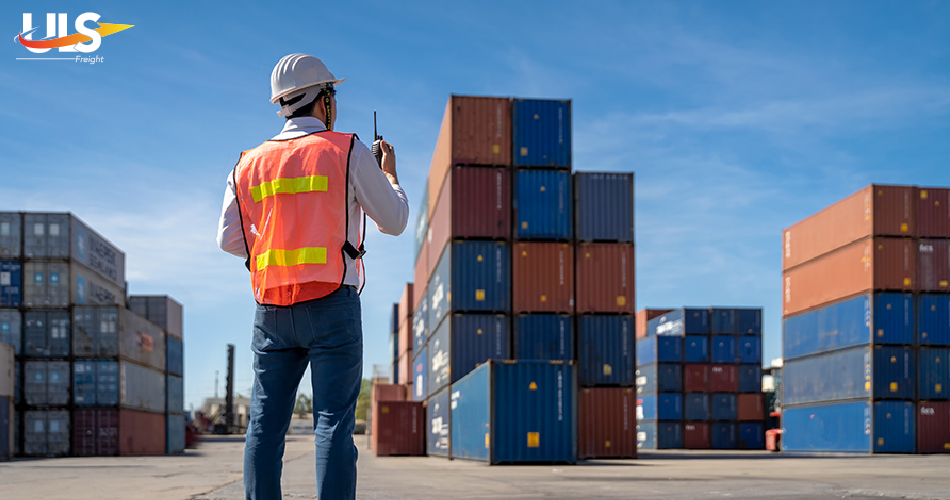
If you have ever sent a package, arranged for goods to be transported, or managed any part of a supply chain, you have already played the role of a shipper without necessarily knowing it. In the world of logistics and freight, the term shipper refers to the individual, company, or entity that is responsible for preparing goods for transport and initiating the shipping process. Whether you are a manufacturer sending finished products to a distributor, a retailer fulfilling customer orders, or an e-commerce business getting packages to your buyers, you are functioning as a shipper every single time you hand over goods to a carrier.
- A shipper is any person or business that initiates the transportation of goods
- The shipper role applies whether you are sending one parcel or an entire truckload
- Shippers are responsible for preparing, documenting, and tendering goods to carriers
- Understanding your shipper responsibilities protects you legally and financially
Understanding your role as a shipper is not just about knowing a definition. It is about understanding the responsibilities that come with that role and how those responsibilities shape the entire logistics process from origin to destination. In modern freight and logistics, where supply chains are complex and customer expectations are higher than ever, the shipper is a foundational figure. At ULS Freight, we work closely with shippers of all sizes to ensure that every shipment moves efficiently, compliantly, and on time, because we understand that your success as a shipper determines the success of everyone downstream in the supply chain.
The Core Responsibilities Every Shipper Must Fulfill
Your responsibilities as a shipper begin long before any vehicle arrives at your dock or your front door. The first and most critical responsibility is proper packaging. The goods you ship need to be packaged in a way that protects them from the rigors of transportation, which includes vibration, stacking pressure, moisture, and temperature changes depending on the mode of transport and the route. Poor packaging leads to damaged goods, claims, delays, and ultimately a damaged relationship with your customers or your supply chain partners. You are responsible for ensuring that what leaves your hands arrives at its destination in the same condition.
- Proper packaging is your first line of defense against damage claims and delivery failures
- The bill of lading must be accurate, complete, and signed before the carrier takes possession
- Hazardous materials require additional documentation and compliance with transport regulations
- Cross border shipments require customs documentation that the shipper is responsible for preparing
Documentation is another core shipper responsibility that many businesses underestimate until something goes wrong. The bill of lading is the foundational document of any freight shipment, and as a shipper, you are responsible for ensuring its accuracy. This document serves as the contract of carriage, the receipt of goods, and potentially a document of title. Beyond the bill of lading, depending on what you are shipping and where it is going, you may also be responsible for preparing a commercial invoice, a packing list, a certificate of origin, hazardous materials documentation, or customs declarations for cross border shipments. Getting these documents right protects you, your carrier, and your consignee.
How the Shipper Fits Into the Broader Logistics Chain
The shipper does not operate in isolation. You are one node in a complex network that includes carriers, freight brokers, third party logistics providers, customs authorities, warehouses, and the consignee at the other end of the transaction. Your decisions as a shipper have a ripple effect throughout this entire chain. When you choose the right carrier, pack goods correctly, provide accurate documentation, and communicate clearly about pickup requirements, the entire chain moves smoothly. When you do not, delays, additional costs, and disputes cascade through every party involved.
- Your preparation as a shipper directly affects carrier performance and delivery outcomes
- Accurate freight classification prevents unexpected charges and billing disputes
- Clear pickup instructions reduce delays and missed collections at your facility
- Shippers who partner strategically with freight providers achieve consistently better results
At ULS Freight, we see firsthand how the quality of a shipper’s preparation affects outcomes at every stage of the logistics process. Shippers who invest time in understanding carrier requirements, freight classifications, and documentation standards consistently achieve better transit times, fewer claims, and lower overall shipping costs. The shipper who treats their role as a strategic function rather than an administrative afterthought has a measurable competitive advantage in the market, because their goods arrive on time and intact while their competitors are managing damage claims and customer complaints.
Shipper Liability and What You Need to Know
One of the most important things you need to understand as a shipper is the extent of your legal liability within the shipping process. Your liability as a shipper does not end the moment you hand goods to a carrier. In many jurisdictions, shippers can be held liable for losses or damages that result from improper packaging, inaccurate documentation, incorrect freight classification, or failure to declare hazardous materials. If a shipment causes damage to other freight, a vehicle, or even a person during transport because of something you did or failed to do, you may be legally responsible for the consequences.
- Shippers can be held liable for damages caused by improper packaging or misdeclaration
- Carrier liability limits are often far below the commercial value of your goods
- Cargo insurance bridges the gap between carrier liability and your actual exposure
- Accurate hazardous materials declarations protect you from serious legal consequences
This is why working with an experienced freight partner like ULS Freight is so valuable. Understanding the boundaries of your liability, the carrier’s liability, and where insurance fills the gaps is essential for protecting your business from unexpected financial exposure. Cargo insurance is something every serious shipper should consider, particularly for high value or fragile goods where the carrier’s standard liability coverage may be insufficient. You should never assume that the carrier’s liability covers the full commercial value of your shipment, because in most cases it does not.
The Shipper’s Role in Modern Technology and Visibility
Modern logistics has transformed what it means to be a shipper. Technology now gives you tools to track shipments in real time, automate documentation, manage carrier relationships through digital platforms, and analyze your shipping data to identify cost saving opportunities. If you are still managing your shipping through phone calls and spreadsheets, you are operating at a significant disadvantage compared to competitors who have embraced digital freight solutions. As a shipper, your ability to leverage technology is now as important as your ability to package goods correctly.
- Real time tracking allows you to manage customer expectations proactively
- Digital documentation reduces errors and speeds up carrier acceptance of shipments
- Shipping data analysis reveals cost saving opportunities in carrier selection and routing
- Digital platforms reduce administrative burden and free your team for higher value work
ULS Freight provides shippers with access to digital tools that simplify every stage of the shipping process, from booking and documentation to tracking and invoicing. When you have real time visibility into where your shipments are, you can communicate proactively with your customers and your supply chain partners, which builds trust and reduces the costly inquiries and escalations that come from uncertainty. The most successful shippers in today’s market are those who treat technology as an enabler of better service, not just a convenience.
Partner With ULS Freight and Simplify Your Shipper Journey Today
Your role as a shipper is more complex and more consequential than most people realize, but it does not have to be overwhelming. When you have the right freight partner beside you, every part of the shipping process becomes more manageable, more cost effective, and more reliable. ULS Freight has built its entire service model around supporting shippers at every stage of the logistics process, from first shipment to complex multi-modal supply chain management.
Contact ULS Freight today to discuss your shipping needs and discover how a dedicated freight partner can help you fulfill your shipper responsibilities with confidence and ease. Whether you are shipping across town or across the country, the ULS Freight team is ready to help you move smarter, ship better, and grow faster. Your success as a shipper starts with the right partnership.
About ULS Freight
We are Road freight forwarder based in Canada, and offering our road freight services all across the USA, Canada, and Mexico for the last 10 years.
Recent Posts
The Global Supply Chain Crisis: How Logistics Companies Are Responding
Cross-Border Freight Challenges: Navigating Compliance in a Global Market

Freight Forwarding vs. Freight Brokering: Explore the Best Option For Yourself
Top 5 Strategies to Reduce Freight Shipping Costs Without Compromising Speed

The Impact of Canada’s Harsh Winters on Supply Chains & How ULS Freight Helps
Choosing Between Air & Sea Freight for Your Business – The Complete Guide
How 3PL Logistics Solutions Improve Supply Chain Efficiency for Modern Businesses
Ultimate Guide to White Glove Delivery

Freight Forwarding Services: A Complete Guide to Canadian and Cross-Border Shipping

What is White Glove Service & Why It Matters
Frequently Asked Questions (FAQs)
A shipper in logistics is the individual, company, or entity that initiates the transportation of goods and acts as the origin point in the supply chain. The shipper is responsible for preparing the shipment before handing it over to the carrier, ensuring everything is ready for safe and compliant transport. This role is critical because it directly impacts delivery success, cost efficiency, and customer satisfaction.
Key points to understand:
- The shipper can be a manufacturer, retailer, or e-commerce business
- Responsible for preparing, labeling, and dispatching goods
- May or may not be the actual owner of the products
- Holds legal responsibility for shipment accuracy and compliance
The responsibilities of a shipper go beyond simply sending goods; they involve ensuring that every shipment is accurate, secure, and compliant with regulations. A shipper must manage everything from packaging to documentation and coordination with carriers. Any mistake in these areas can lead to delays, extra costs, or legal issues.
Core responsibilities include:
- Accurate cargo declaration (weight, dimensions, and type)
- Proper packaging to prevent damage during transit
- Preparing documents like bill of lading, invoice, and packing list
- Ensuring compliance with shipping and safety regulations
- Coordinating pickup and delivery schedules with carriers
In logistics, these three roles are interconnected but clearly different. The shipper starts the process, the carrier moves the goods, and the consignee receives them. Understanding these differences helps avoid confusion and ensures smooth operations across the supply chain.
Key distinctions:
- Shipper: Initiates shipment and prepares goods
- Carrier: Transports goods (e.g., trucking company, courier)
- Consignee: Final recipient of the shipment
- Each role has different legal responsibilities and liabilities
The most important responsibility of a shipper is proper packaging, as it ensures that goods arrive safely without damage. Packaging must be designed to handle real-world shipping conditions such as handling, stacking, and environmental changes. Alongside packaging, accurate documentation is equally essential for smooth logistics operations.
Critical factors include:
- Strong packaging to handle vibration, pressure, and handling
- Protection against moisture and temperature changes
- Accurate bill of lading and shipment details
- Proper labeling for identification and handling instructions
Cargo insurance is not always mandatory, but it is highly recommended because carrier liability is often limited. Without insurance, shippers risk losing the full value of their goods in case of damage, loss, or theft during transit. Insurance provides financial protection and peace of mind, especially for valuable shipments.
Why cargo insurance matters:
- Covers full value of goods beyond carrier liability limits
- Protects against loss, theft, or damage
- Essential for high-value or fragile shipments
- Reduces financial risk in complex logistics operations
Yes, a company can act as both a shipper and a consignee depending on the situation. This is common in supply chains where businesses both send and receive goods regularly. Understanding both roles helps businesses improve coordination and efficiency in logistics.
Common scenarios include:
- Manufacturers shipping finished goods and receiving raw materials
- Retailers sending products to customers and receiving inventory
- E-commerce businesses managing inbound and outbound logistics
- Businesses handling multi-location supply chain operations
Shippers face multiple risks that can impact costs, timelines, and customer satisfaction if not managed properly. These risks often arise from poor planning, incorrect documentation, or external supply chain disruptions. Managing these risks is essential for smooth and reliable shipping operations.
Major risks include:
- Damage or loss due to poor packaging
- Delays from incorrect or missing documentation
- Unexpected charges from wrong freight classification
- Regulatory issues in cross-border shipments
- Carrier-related risks like delays or fraud
- Lack of insurance leading to financial loss