
What Is a Consignee? Role, Responsibilities, and Key Differences in Shipping Explained
- ULS Freight
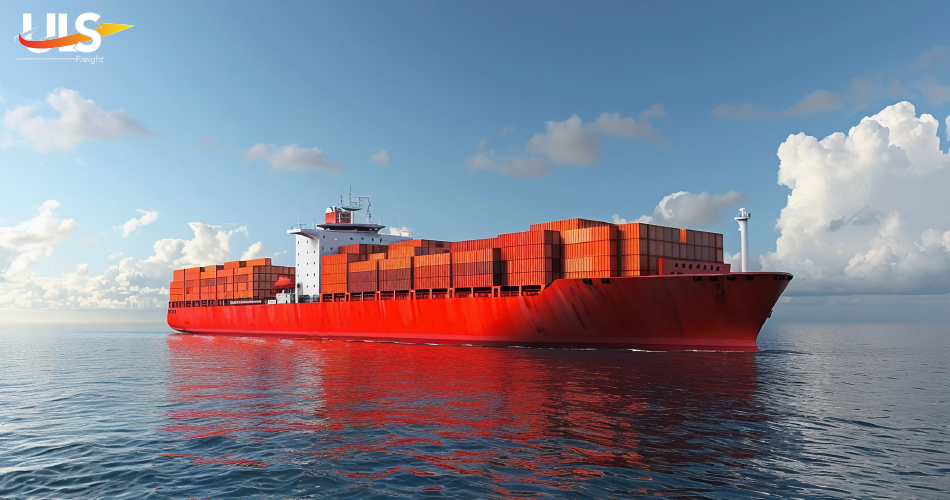
In the world of freight and logistics, every shipment involves at least two core parties: the shipper who sends the goods and the consignee who receives them. If you are on the receiving end of any commercial shipment, whether you are a retailer accepting inventory from a supplier, a manufacturer taking delivery of raw materials, or a business receiving equipment from an overseas vendor, you are the consignee. The consignee is formally defined as the person or entity to whom a shipment is addressed and who is entitled to receive the goods upon delivery.
- The consignee is the party designated to receive and take possession of a shipment
- Consignee responsibilities begin before the goods arrive and extend after delivery
- The consignee is named on the bill of lading and is a legally recognized party to the shipment
- Smooth consignee operations are essential for efficient supply chain performance
Understanding your role as a consignee is important for more reasons than simply knowing who signs for the delivery. Your responsibilities as a consignee have legal, financial, and operational dimensions that affect your business and the entire supply chain connected to your order. At ULS Freight, we work with consignees across every industry to ensure that the receiving end of every shipment is as smooth and well managed as the sending end, because a delivery that fails at the consignee’s end affects everyone involved in the transaction.
What a Consignee Is Responsible For
Your responsibilities as a consignee start well before the delivery truck pulls into your facility. You need to ensure that your receiving area is ready, that you have the right equipment and personnel available to unload the goods, and that you have reviewed the documentation associated with the shipment so you know what to expect. For large freight deliveries, this might mean having a forklift and trained operators on site. For temperature sensitive goods, it might mean having cold storage ready the moment the delivery arrives. Failing to prepare adequately creates delays that cost you money and inconvenience your carrier.
- Prepare your receiving area with appropriate equipment and staffing before delivery
- Review shipment documentation in advance so you know exactly what to expect
- Inspect all goods against the bill of lading before signing the delivery receipt
- Note any visible damage or shortage on the delivery receipt before the driver leaves
When the goods arrive, your most important responsibility is inspection. You must carefully examine the delivery against the bill of lading to verify that the correct items have been delivered in the correct quantities and in acceptable condition. If there is any visible damage, shortage, or discrepancy, you must note it on the delivery receipt before signing. Signing without noting exceptions is legally significant because it can be interpreted as acceptance of the goods in the condition received, which may prevent you from making a successful damage or shortage claim afterward.
The Legal Status of the Consignee in a Shipment
The consignee has a distinct legal status in the shipping process that goes beyond simply being the person who receives a package. In a straight bill of lading, the consignee named on the document has the right to receive the goods and direct their delivery. In an order bill of lading, which is used in certain international trade transactions, the bill itself is a negotiable document of title, meaning ownership of the goods can be transferred by endorsing and transferring the bill before the goods arrive. Understanding which type of bill of lading applies to your shipment affects your legal rights and obligations as a consignee.
- The consignee named on the bill of lading has a legally recognized right to receive goods
- Order bills of lading are negotiable instruments that can transfer ownership before delivery
- Import customs clearance is typically the consignee’s responsibility in international shipping
- Failure to manage customs obligations can result in border holds and financial penalties
The consignee may also have obligations related to customs clearance in international shipping. When goods cross a border, the consignee is typically responsible for filing import declarations, paying applicable duties and taxes, and complying with any import restrictions or licensing requirements for the goods in question. Failing to manage these obligations correctly can result in your goods being held at the border, assessed with additional penalties, or even seized by customs authorities. ULS Freight offers customs brokerage support to help consignees navigate these requirements without costly delays.
Key Differences Between the Shipper and the Consignee
While the shipper and the consignee are both essential parties to every freight transaction, their roles, responsibilities, and positions in the logistics chain are fundamentally different. The shipper initiates the shipment, prepares the goods, arranges the carrier, and is responsible for getting the goods into the transportation system correctly. The consignee receives the goods, manages the delivery process at the destination, handles customs in international scenarios, and is responsible for accepting the shipment correctly. In most straightforward commercial transactions, the shipper pays for the freight unless the terms of sale specify otherwise.
- The shipper sends and the consignee receives, but both carry significant legal responsibilities
- Freight payment responsibility depends on the terms of sale between shipper and consignee
- Incoterms define exactly where risk and responsibility transfer from shipper to consignee
- Both parties need to understand their obligations to prevent disputes and financial losses
Understanding Incoterms and Responsibility Transfer
The terms of sale between the shipper and the consignee, often expressed through Incoterms in international trade, determine exactly where the shipper’s responsibilities end and the consignee’s responsibilities begin. For example, under FOB Origin terms, the consignee takes on risk and responsibility the moment the goods are loaded onto the carrier at the shipper’s location. Under FOB Destination terms, the shipper retains risk until the goods are delivered to the consignee’s location. These distinctions matter enormously for insurance purposes, claims management, and understanding who bears the financial risk at every stage of the journey.
How Being a Better Consignee Improves Your Entire Supply Chain
Many businesses focus all of their logistics attention on the outbound shipping side and treat receiving as a passive activity. This is a significant mistake. The quality of your consignee operations has a direct impact on carrier relationships, freight costs, and your overall supply chain efficiency. Carriers and drivers track delivery performance metrics, and consignees who are consistently unready at delivery time, who create excessive detention charges by keeping drivers waiting, or who dispute deliveries unnecessarily develop reputations that can affect the service levels they receive and the rates they are offered.
- Unprepared consignees create detention charges that increase your freight costs over time
- Consistent receiving delays damage your carrier relationships and service priority
- Proper delivery inspection is your best protection against unrecoverable damage claims
- A trained receiving team is one of the most valuable logistics investments you can make
Being a proactive, prepared consignee also protects your business financially. Proper inspection at the time of delivery is your primary opportunity to identify and document damage before it becomes a disputed claim. Once you sign a clean delivery receipt and the driver leaves, proving that damage occurred in transit becomes significantly harder. Training your receiving team to conduct proper inspections, understand what to look for, and document exceptions correctly is one of the highest return on investment improvements you can make to your logistics operations.
Work With ULS Freight for Seamless Consignee Support From Day One
Whether you are an experienced consignee managing complex inbound supply chains or a growing business just beginning to understand your receiving obligations, ULS Freight is here to make every delivery smoother, faster, and more reliable. Our team understands the challenges that consignees face and provides the support, documentation, and communication you need to receive your goods with confidence.
Reach out to ULS Freight today and let us help you optimize both sides of your freight equation. From inbound freight management to customs clearance and delivery coordination, we have the expertise and the network to support your consignee operations at every level. Better receiving starts with a better freight partner.
About ULS Freight
We are Road freight forwarder based in Canada, and offering our road freight services all across the USA, Canada, and Mexico for the last 10 years.
Recent Posts
The Global Supply Chain Crisis: How Logistics Companies Are Responding
Cross-Border Freight Challenges: Navigating Compliance in a Global Market

Freight Forwarding vs. Freight Brokering: Explore the Best Option For Yourself
Top 5 Strategies to Reduce Freight Shipping Costs Without Compromising Speed

The Impact of Canada’s Harsh Winters on Supply Chains & How ULS Freight Helps
Choosing Between Air & Sea Freight for Your Business – The Complete Guide
How 3PL Logistics Solutions Improve Supply Chain Efficiency for Modern Businesses
Ultimate Guide to White Glove Delivery

Freight Forwarding Services: A Complete Guide to Canadian and Cross-Border Shipping

What is White Glove Service & Why It Matters
Frequently Asked Questions (FAQs)
A consignee is the person or business that receives goods at the final destination of a shipment. They are the officially named recipient on shipping documents and have the legal right to accept delivery.
Important Points:
- Consignee = Receiver of goods in shipping
- Named on the Bill of Lading (BOL)
- Can be a buyer, warehouse, or third-party logistics provider
- Responsible for accepting and verifying the shipment
A consignee plays a critical role at the final stage of the logistics process. Their main job is to receive, inspect, and accept the shipment while ensuring everything matches the documentation.
Important Points:
- Receive and inspect goods upon arrival
- Verify quantity and condition with shipping documents
- Sign Proof of Delivery (POD)
- Report damages or shortages immediately
- Manage storage or further distribution
The responsibilities of a consignee go beyond just receiving goods. They include preparation, inspection, documentation handling, and compliance.
Important Points:
- Prepare receiving area (staff, equipment, space)
- Review shipment documents before delivery
- Inspect goods before signing delivery receipt
- Note damages or discrepancies on POD
- Handle customs clearance (for international shipments)
In most international shipments, the consignee is responsible for customs clearance and paying applicable duties and taxes unless agreed otherwise.
Important Points:
- Pays import duties and taxes in most cases
- Responsible for customs documentation and compliance
- Must follow import laws and regulations
- Failure can lead to delays, penalties, or shipment seizure
- Depends on Incoterms (e.g., DDP vs FOB)
The shipper and consignee have opposite but equally important roles in the shipping process.
Important Points:
- Shipper = Sender of goods
- Consignee = Receiver of goods
- Shipper handles packaging and dispatch
- Consignee handles receiving and inspection
- Responsibilities depend on shipping terms (Incoterms)
Yes, a consignee can refuse a shipment, but it must be done carefully and with valid reasons to avoid legal or financial issues.
Important Points:
- Can refuse if goods are damaged or incorrect
- Must document reasons clearly
- Inform carrier and shipper immediately
- Wrong refusal may cause extra charges or disputes
- Always consult freight provider before refusal
A notify party is a third party who is informed about the shipment’s arrival, while the consignee is the actual receiver of the goods.
Important Points:
- Consignee = Legal receiver of goods
- Notify party = Gets shipment updates only
- Notify party may be a customs broker or agent
- Does not have ownership rights
- Helps in coordination and clearance process