Trailer Types Used in FTL Shipping: Dry Vans, Reefers, Flatbeds & More
- ULS Freight
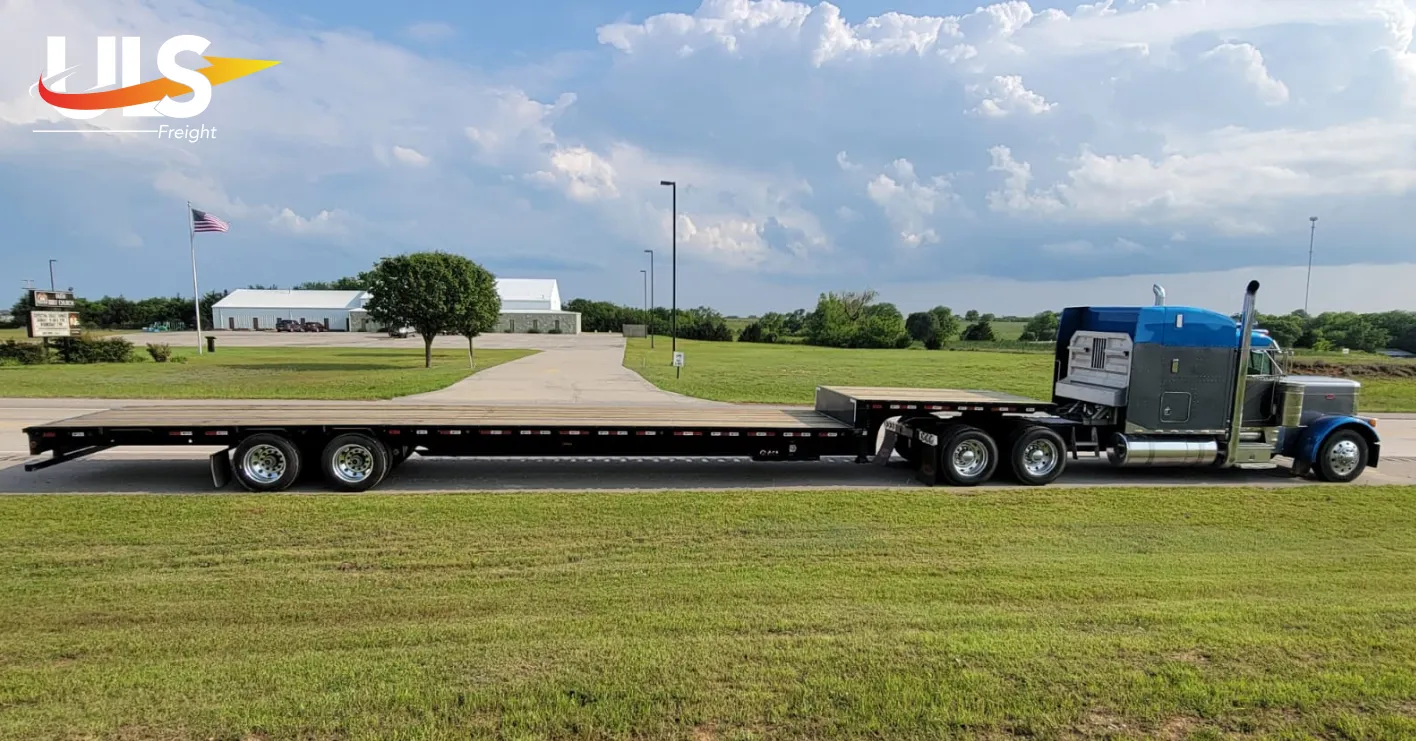
When shipping via Full Truckload (FTL), selecting the correct trailer is one of the most important logistics decisions you’ll make. The trailer type directly affects cargo safety, regulatory compliance, transit speed, and overall shipping costs.
Need precision handling for high-value or sensitive freight? Our White Glove Services ensure careful loading, secure transport, inside delivery, and professional setup with zero damage and total peace of mind.
Every shipment has unique requirements based on weight, size, fragility, loading method, and temperature sensitivity. Understanding different FTL trailer types ensures your freight moves legally, efficiently, and without costly damage.
Most FTL trailers range from 48 to 53 feet in length and typically support payloads up to 45,000 pounds, depending on weight distribution and axle regulations across Canada and the United States.
In this guide, we’ll break down the most common and specialized FTL trailer options, including dimensions, load capacity, and ideal use cases.
What Are FTL Trailer Types?
FTL trailer types refer to commercial freight trailers used when a single shipment occupies an entire truck. Unlike LTL shipping, your freight is not consolidated with other shippers, giving you full control over equipment selection.
FTL trailers are generally grouped into three categories:
Enclosed trailers
Open deck trailers
Specialized heavy haul trailers
Each type is designed to meet specific freight height, width, weight, and accessibility requirements.
Primary FTL Trailer Types
Dry Van Trailer
Dry van trailers are the most commonly used equipment in full truckload shipping. They are fully enclosed and protect freight from weather, debris, and theft.
Key Features:
Standard length: 53 feet
Enclosed design
Rear dock loading
Ideal for palletized or boxed freight
Best For:
Retail products
Electronics
Furniture
General packaged goods
Dry vans are ideal when your cargo needs protection but does not require temperature control.
Refrigerated Trailer (Reefer)
Refrigerated trailers, often called reefers, are insulated units equipped with onboard cooling systems.
Capabilities:
Temperature range: -20°F to 80°F
Insulated walls
Continuous climate monitoring
Best For:
Frozen and fresh foods
Pharmaceuticals
Medical supplies
Beverages
Reefers maintain strict temperature consistency throughout transit to ensure product integrity and compliance.
Protect temperature-sensitive cargo with our advanced refrigerated transportation solutions, offering strict climate control, real-time monitoring, and compliant cold chain delivery across Canada and the USA.
Flatbed Trailer
Flatbed trailers feature an open deck without walls or a roof, allowing side and top loading.
Advantages:
Easy crane or forklift loading
Accommodates oversized freight
Ideal for heavy cargo
Best For:
Construction materials
Steel beams
Machinery
Large industrial equipment
Flatbeds are essential when freight exceeds enclosed trailer dimensions.
Specialized FTL Trailer Types
Step Deck (Drop Deck) Trailer
Step deck trailers have a lower deck height than standard flatbeds, allowing taller cargo while remaining within legal height limits.
Best For:
Tall machinery
Industrial freight
Construction equipment
RGN (Removable Gooseneck) Trailer
RGN trailers detach at the front to form a ramp, making them ideal for driving equipment directly onto the trailer.
Capacity:
Up to 150,000 pounds (depending on configuration)
Best For:
Bulldozers
Excavators
Heavy industrial machinery
Lowboy (Double Drop) Trailer
Lowboy trailers sit very close to the ground, providing maximum height clearance.
Best For:
Extremely tall cargo
Oversized industrial equipment
Conestoga Trailer
Conestoga trailers combine flatbed flexibility with weather protection through a rolling tarp system.
Advantages:
Side and top loading
Freight protection
No need for manual tarping
Best For:
Steel
Lumber
Sensitive materials
Extendable (Stretch) Flatbed Trailer
Extendable trailers adjust in length to accommodate extra-long freight.
Best For:
Pipes
Structural beams
Wind turbine components
Hotshot Trailers
Hotshot trailers are smaller FTL options pulled by heavy-duty pickup trucks.
Best For:
Urgent shipments
Smaller equipment
Short-distance deliveries
They provide faster transit for time-sensitive loads.
Trailer Load Capacity & Specifications
Understanding trailer specifications helps prevent overweight fines and compliance issues.
General Guidelines:
Maximum payload: Up to 45,000 lbs (dry van)
Pallet capacity: 26–52 pallets
Volume: 3,500–4,000 cubic feet
Maximum width: 8.5 feet (standard)
Proper axle weight distribution and compliance with DOT regulations remain essential.
How to Choose the Right FTL Trailer
When selecting truckload equipment, consider:
Cargo weight and dimensions
Fragility or temperature sensitivity
Loading method (dock, crane, ramp)
Transit distance
Urgency of delivery
Permit requirements for oversized freight
Air-ride suspension is commonly used across commercial trailers to minimize vibration and reduce cargo damage.
Ship faster and safer with our Full Truckload Services, providing dedicated trailers, optimized routes, and reliable on-time delivery for high-volume, heavy, or time-sensitive freight.
Why Trailer Selection Matters
Choosing the correct FTL trailer improves:
Cargo protection
Regulatory compliance
Delivery speed
Cost efficiency
Risk management
Working with an experienced freight provider ensures your shipment is matched with the proper equipment for safe, legal, and on-time delivery.
FAQs – Trailer Types Used in FTL Shipping
1. What are the main trailer types used in FTL shipping?
The primary trailer types in Full Truckload (FTL) shipping include dry van trailers, refrigerated trailers (reefers), flatbed trailers, step deck (drop deck) trailers, removable gooseneck (RGN) trailers, lowboy (double drop) trailers, Conestoga trailers, and extendable (stretch) trailers. Each trailer is designed for specific freight requirements such as weight, height, temperature control, or oversized dimensions.
2. What is the difference between a dry van and a reefer trailer?
A dry van trailer is a fully enclosed trailer used for non-perishable goods that need protection from weather and theft.
A reefer trailer (refrigerated trailer) includes insulation and a temperature-control unit to transport perishable or temperature-sensitive freight such as food, pharmaceuticals, and medical supplies. Reefers can maintain temperatures ranging from approximately -20°F to 80°F.
3. When should you use a flatbed trailer instead of an enclosed trailer?
Flatbed trailers should be used when:
Freight is oversized or exceeds enclosed trailer height limits
Loading requires crane access from the top or sides
Cargo is heavy machinery, steel, lumber, or construction materials
Flatbeds allow flexible loading but do not provide weather protection unless tarped.
4. What trailer is best for oversized or heavy haul freight?
For oversized or extremely heavy cargo, specialized trailers are required:
Step deck (drop deck) – for taller freight
Lowboy (double drop) – for very tall equipment
RGN (Removable Gooseneck) – for self-propelled machinery and loads up to 150,000 lbs (depending on configuration)
Extendable/stretch trailers – for extra-long freight such as pipes or beams
These trailers may also require special permits depending on state or provincial regulations.
5. What is the maximum weight capacity of an FTL trailer?
Most standard 53-foot dry van trailers support payloads up to 44,000–45,000 pounds, depending on axle configuration and local regulations.
Flatbeds can sometimes carry slightly heavier loads, while specialized heavy-haul trailers (like RGNs) can support significantly more weight with additional axles.
However, total gross vehicle weight (truck + trailer + cargo) in the U.S. is typically capped at 80,000 pounds without special permits.
6. How do trailer dimensions affect freight shipping?
Standard trailer dimensions typically include:
Length: 48–53 feet
Width: 8.5 feet
Interior height (dry van): approximately 8.5–9 feet
Capacity: 26–52 pallets depending on configuration
If freight exceeds these limits, specialized equipment or oversize permits may be required. Choosing the wrong trailer size can lead to reloading delays, fines, or damaged cargo.
7. How do trailer types impact freight costs?
Trailer selection directly affects shipping costs due to:
Equipment availability
Fuel efficiency differences
Permit requirements (for oversized loads)
Special handling or tarping
Temperature control fuel usage (reefers)
Specialized trailers such as RGNs or lowboys typically cost more than standard dry vans due to limited availability and regulatory complexity.
8. How do you choose the right trailer for your shipment?
To select the correct FTL trailer, evaluate:
Cargo weight and dimensions
Height restrictions and clearance limits
Temperature sensitivity
Loading method (dock, ramp, crane)
Delivery urgency
Cross-border compliance requirements
Working with an experienced freight carrier helps ensure the correct trailer type is assigned while meeting DOT and transport regulations across Canada and the United States.
About ULS Freight
We are Road freight forwarder based in Canada, and offering our road freight services all across the USA, Canada, and Mexico for the last 10 years.
Recent Posts

The Global Supply Chain Crisis: How Logistics Companies Are Responding

Cross-Border Freight Challenges: Navigating Compliance in a Global Market