Standard Pallet Size & Dimensions for Shipping
- ULS Freight
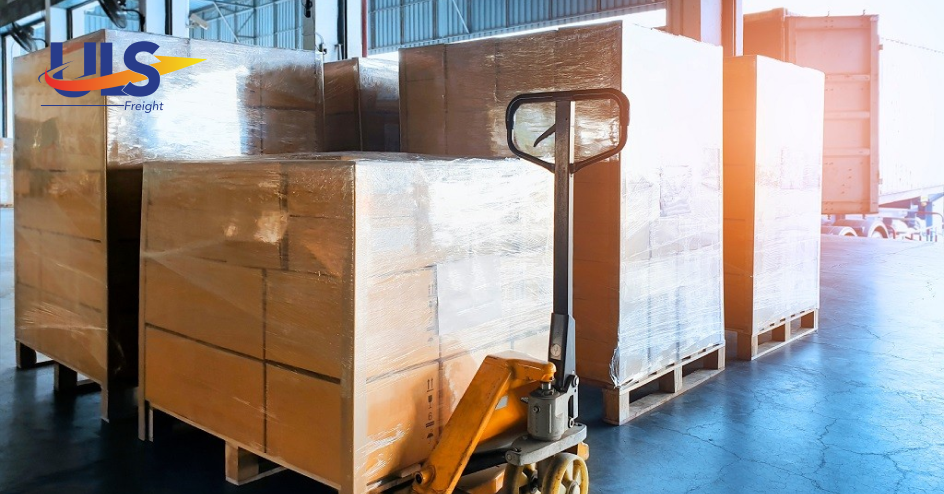
Shipping pallets efficiently is a key part of modern logistics. Whether using air freight, sea freight, or ground transportation, understanding standard pallet sizes and dimensions ensures safe handling, accurate freight quotes, and cost-effective shipping.
This guide covers standard pallet dimensions, maximum height limits, freight cost considerations, and best practices for shipping one or multiple pallets.
Standard Pallet Sizes for Air, Sea, and Ground Freight
Not all pallets are the same—size standards vary depending on the mode of transport. Knowing these differences helps with accurate freight planning and quotes.
Air freight pallets: Usually 48” x 40”, limited by aircraft cargo holds.
Sea freight pallets: Typically 48” x 40”, but allow more height for container stacking.
Ground freight pallets: Flexible sizing, fits standard trailers and equipment.
Tips for Choosing the Right Pallet Size
Check maximum pallet height: Air ~64”, Sea ~84”
Confirm weight limits with your carrier
Ensure the pallet fits loading doors and handling equipment
Table: Standard Pallet Dimensions by Transport Mode
| Transport Mode | Standard Pallet Size | Max Height | Typical Weight Limit |
|---|---|---|---|
| Air Freight | 48 x 40 inches | 64 inches | 2,200 lbs |
| Sea Freight | 48 x 40 inches | 84 inches | 2,500 lbs |
| Ground Freight | 48 x 40 inches | Flexible | 2,500 lbs |
This table helps you determine which pallet fits your shipment and which transport mode is feasible.
Understanding Pallet Freight Costs
Pallet freight costs depend on several factors:
Weight of the pallet and contents
Freight class designation
Distance to destination
Shipping mode (air, sea, ground)
Additional services like white-glove delivery or refrigeration
Tip: Use a freight pallet calculator to compare rates and avoid overpaying.
How to Ship a Pallet: Step-by-Step
Choose the right pallet type – wood, plastic, or metal based on cargo weight and fragility.
Secure the cargo – wrap with stretch film, use corner protectors.
Check dimensions – include height, width, and length in freight quotes.
Label clearly – include shipping and handling instructions.
Select the freight service – LTL (less than truckload), FTL (full truckload), or intermodal.
Following these steps reduces risk of damage and ensures compliance with carrier regulations.
Maximum Pallet Height & Weight Limits
Air Freight: Max ~64 inches; check aircraft-specific limits
Sea Freight: Max ~84 inches, allows stacking in containers
Ground Freight: Flexible, but consider trailer height and loading equipment
Weight: Most carriers allow 2,000–2,500 lbs per pallet. Overweight pallets may need splitting, increasing shipping costs.
Choosing the Right Pallet Type
Wood pallets: Most common, cost-effective
Plastic pallets: Lightweight, reusable, moisture-resistant
Metal pallets: Durable for heavy or sensitive cargo
The pallet type affects handling, freight quotes, and shipping safety.
Shipping Multiple Pallets
Stack carefully to avoid crushing lower pallets
Secure with straps or stretch wrap
Include accurate dimensions for freight quotes
Multiple pallets may require intermodal planning for trucks, ships, and planes.
Freight Quote Process for Pallets
Provide your freight provider with:
Pallet dimensions
Weight
Pickup & delivery locations
Special handling instructions
Tip: Compare multiple freight quotes to find cost-effective shipping solutions.
Tips to Reduce Pallet Shipping Costs
Use standard pallet sizes
Consolidate shipments to reduce LTL costs
Work with freight brokers for better rates
Opt for eco-friendly logistics if available
Proper planning prevents surcharges and ensures competitive freight rates.
Ship Your Pallets Smarter Today
Knowing standard pallet sizes, maximum height limits, and freight dimensions ensures safe, cost-effective shipping. Whether you are a small business or a large distributor, proper pallet planning improves logistics efficiency and reduces shipping costs.
Contact ULS Freight today for a free pallet freight quote and discover hassle-free shipping solutions tailored to your needs.
FAQ: Pallet Shipping
What is the standard pallet size for shipping?
The standard pallet size for shipping in North America is 48” x 40” (1219 mm x 1016 mm), also called a GMA pallet. It is widely used for both LTL and FTL freight and fits most warehouse racks, trucks, and handling equipment. Some industries use 42” x 42” or 48” x 48” pallets depending on cargo type, volume, or international requirements, ensuring compatibility with forklifts and trailers.
What is the maximum pallet height for air and sea freight?
Maximum pallet height depends on the mode of transport. For air freight, pallets typically cannot exceed 64 inches due to aircraft cargo hold restrictions. Sea freight allows taller pallets, often up to 84 inches, to optimize container space. Observing height limits prevents delays, reduces risk of damage, and ensures your shipment meets carrier regulations while maximizing shipping efficiency.
How is the cost of pallet freight calculated?
Pallet freight cost is determined by multiple factors including weight, pallet dimensions, freight class, shipping distance, and the chosen mode of transport. Additional costs may apply for services like refrigeration, white-glove delivery, or expedited shipping. Accurate pallet measurements and proper freight class designation help businesses avoid overpaying, while comparing quotes from multiple carriers ensures cost-effective and compliant shipping.
What types of pallets are suitable for shipping freight?
The main pallet types are wood, plastic, and metal. Wood pallets are the most common and cost-effective. Plastic pallets are lightweight, moisture-resistant, and reusable, ideal for sensitive or hygienic shipments. Metal pallets are strong and durable, best for heavy or fragile cargo. Choosing the right pallet type affects safety, handling, and freight shipping costs, ensuring your goods arrive intact and on time.
Can I ship multiple pallets together safely?
Yes, multiple pallets can be shipped together safely with proper planning. Pallets should be stacked carefully, secured with straps or stretch wrap, and spaced correctly to prevent crushing or shifting during transit. Accurate pallet dimensions and weight must be provided for freight quotes, especially for intermodal shipments where cargo moves between trucks, ships, or planes. This ensures efficiency, safety, and compliance with carrier guidelines.
About ULS Freight
We are Road freight forwarder based in Canada, and offering our road freight services all across the USA, Canada, and Mexico for the last 10 years.
Recent Posts

The Global Supply Chain Crisis: How Logistics Companies Are Responding

Cross-Border Freight Challenges: Navigating Compliance in a Global Market