Shipping Delays 101: How to Handle Late Delivery the Right Way
- ULS Freight
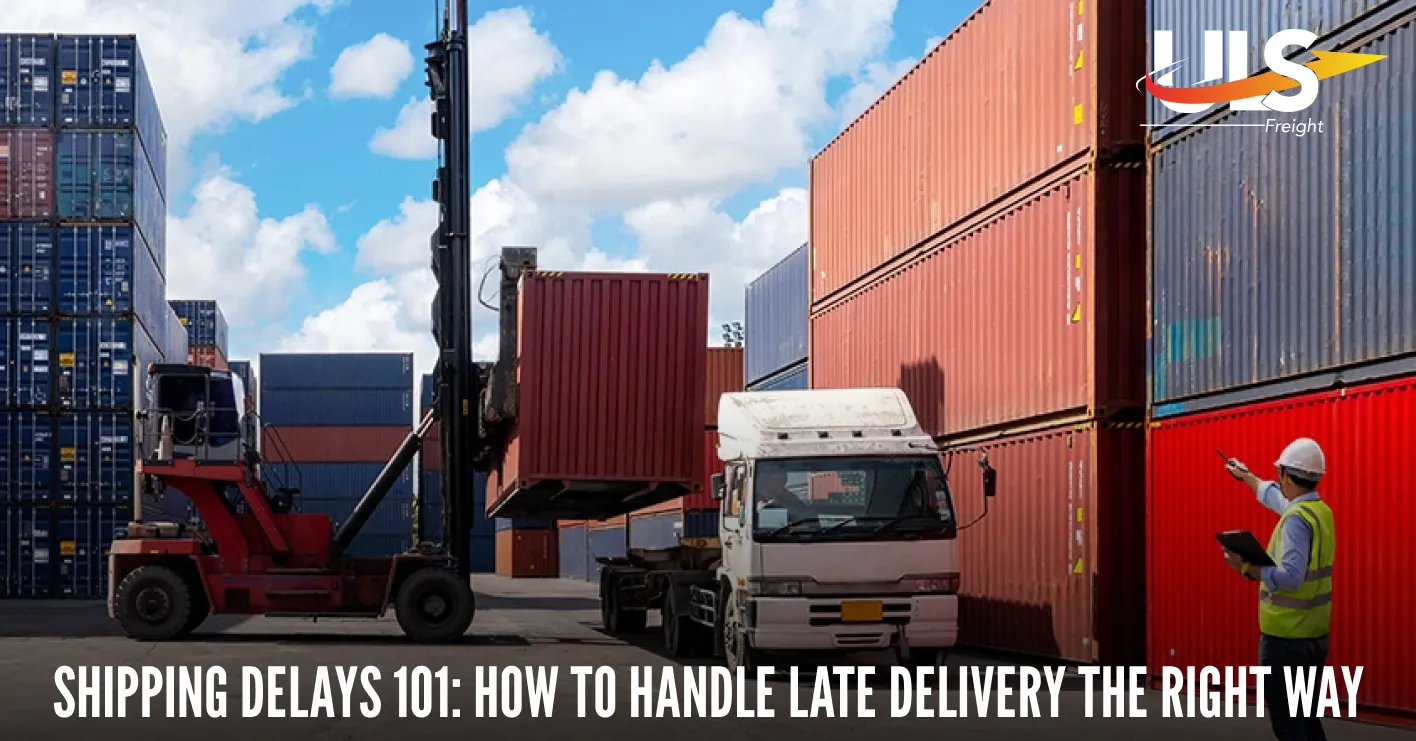
Shipping delays are one of the most common challenges businesses face in shipping and logistics. Whether you move goods through ground freight trucking service, air freight services, or sea freight, delays can impact customer trust, inventory planning, and revenue.
Book ground shipments with our Ground Freight Trucking Service today.
For businesses shipping across borders, managing customs clearance, last mile delivery, and warehouse logistics, delays are not just inconvenient—they are costly. The key is not just reacting to late delivery but handling it strategically so your operations stay resilient.
This guide breaks down why shipping delays happen and how your business can manage them effectively using the right transportation and logistics approach.
Why Shipping Delays Happen in the First Place
Understanding the cause of delays helps businesses choose better logistics management solutions. Delays usually occur due to a mix of operational, environmental, and regulatory factors.
Common reasons include congestion at ports affecting drayage trucking services, weather disruptions impacting air freight logistics, and documentation issues during customs clearance. Even warehouse bottlenecks or labor shortages within logistics and warehousing operations can slow shipments.
Ship air cargo reliably via Air Freight Services for urgent deliveries.
Businesses using multiple shipping modes—from flatbed freight to refrigerated transportation service—must plan for these risks in advance instead of reacting after delays occur.
Choosing the Right Freight Option to Reduce Delays
One of the most effective ways to manage late delivery is selecting the correct freight method from the start.
Less than truck load shipments work well when volume is smaller, but they involve multiple stops and shared space, which can increase transit time. In contrast, full truck load shipments move directly from origin to destination, reducing handling and delay risk.
Manage cross-border shipments with Customs Clearance Services efficiently.
For time-sensitive goods, air freight services offer speed, while sea freight is better for bulk shipments with flexible timelines. Businesses transporting temperature-sensitive products should prioritize cold chain logistics and pharma cold chain logistics companies to prevent spoilage delays.
How Warehousing Impacts Shipping Timelines
Delays do not always happen on the road or in the air. Many start inside warehouse logistics operations. Poor inventory planning, inaccurate picking, or slow loading can disrupt delivery schedules.
Efficient warehouse inventory management ensures goods are available, labeled correctly, and staged for dispatch. Businesses working with integrated warehousing and logistics providers benefit from smoother transitions between storage and transport.
Protect cold shipments using Refrigerated Transportation Service for sensitive goods.
A well-managed logistics warehouse reduces dwell time and helps businesses maintain predictable delivery timelines.
The Role of Third Party and Managed Logistics
Many businesses reduce delay risks by partnering with third-party logistics providers. A strong 3PL logistics partner coordinates transport, storage, and tracking under one system.
With managed logistics, businesses gain access to route optimization, shipment visibility, and proactive issue resolution. These services are supported by automated logistics systems that flag delays early and suggest alternatives.
This approach is especially valuable for companies handling retail logistics, seasonal surges, or multi-location distribution.
Last Mile Delivery and Customer Expectations
Even when freight arrives on time, delays often happen during last mile delivery. Urban congestion, access issues, and scheduling conflicts can slow final delivery.
Businesses offering premium services like white glove delivery must manage customer communication carefully. Clear delivery windows, real-time tracking, and flexible scheduling reduce frustration.
Streamline last-mile delivery through 3PL Logistics Last Mile Delivery solutions.
A reliable last mile strategy protects brand reputation and improves customer retention, even when upstream delays occur.
Managing Cross Border and Customs Delays
For businesses shipping internationally, customs clearance is one of the most common delay points. Missing paperwork, incorrect classifications, or regulatory changes can hold shipments for days.
Working with experienced logistics consulting teams ensures documentation accuracy and compliance. Businesses involved in transportation distribution and logistics should also plan buffer time for cross-border shipments.
Strong customs planning minimizes risk and keeps goods moving predictably.
Cold Chain and Time Sensitive Shipments
Delays are especially risky for temperature-controlled shipments. Refrigerated transportation service and cold chain logistics require strict monitoring to protect product integrity.
Businesses shipping pharmaceuticals, food, or medical supplies should work with providers experienced in pharma cold chain logistics companies. Real-time temperature tracking and contingency planning are essential.
In some cases, shipments may also involve material or logistical assistance provided for humanitarian purposes, where timing is critical and delays have serious consequences.
Using Data and Tracking to Handle Delays Better
Modern transportation and logistics relies heavily on data. Tracking platforms like omni logistics tracking provide visibility across the supply chain.
With real-time updates, businesses can:
- Notify customers early
- Reroute shipments
- Adjust inventory plans
Advanced logistics planning and analytics help companies predict disruptions before they happen.
The Human Side of Logistics Operations
Behind every shipment is a team of professionals—logistics analysts, logistics specialists, and logistics coordinators—who manage planning, execution, and problem solving.
Businesses investing in strong logistics teams or working with providers offering logistics management solutions gain better control over disruptions. Knowledgeable professionals understand when to switch modes, escalate issues, or renegotiate delivery expectations.
The growing demand for logistics expertise has also increased interest in logistics courses, logistics certification, and even insights into logistics industry salary trends.
Sustainability and Delay Prevention
Sustainable shipping is not just good for the environment, it can also reduce delays. Eco-friendly logistics focuses on optimized routes, fuel efficiency, and consolidated shipments.
Reducing unnecessary movements lowers congestion and improves predictability. Businesses integrating sustainability into contract logistics often experience smoother operations.
Building a Delay Response Plan That Works
No matter how strong your planning is, delays will happen. What matters is how your business responds.
A strong response plan includes:
- Clear communication with customers
- Backup transport options
- Flexible warehousing arrangements
- Reliable logistics partners
Companies using project logistics or network global logistics models benefit from scalable solutions when disruptions occur.
Why Businesses Choose ULS Freight
ULS Freight supports businesses across shipping and logistics with a focus on reliability, visibility, and proactive problem solving. From flatbed freight and ground freight trucking service to air freight logistics, sea freight, and warehousing and logistics, ULS Freight helps businesses stay in control even when delays happen.
With experience in third-party logistics, managed logistics, and cross-border shipping, ULS Freight helps businesses turn shipping challenges into manageable processes.
FAQs
What is the most common cause of shipping delays
Customs clearance issues, weather disruptions, and warehouse bottlenecks are the most common causes. Poor planning also contributes. Working with experienced logistics partners reduces risk. Visibility is key.
Is less than truck load more likely to face delays
Yes, less than truck load shipments involve multiple stops and shared freight. This increases handling time. Full truck load is faster for high-volume shipments.
How can tracking help manage delays
Tracking provides real-time updates and early warnings. Businesses can adjust delivery plans quickly. It improves communication with customers.
Are cold chain shipments more sensitive to delays
Yes, temperature-controlled goods require strict timing. Delays can lead to spoilage. Proper refrigerated transportation service is essential.
How does managed logistics reduce delays
Managed logistics integrates planning, tracking, and execution. It allows faster problem resolution. Businesses gain better control over disruptions.
About ULS Freight
We are Road freight forwarder based in Canada, and offering our road freight services all across the USA, Canada, and Mexico for the last 10 years.
Recent Posts
The Global Supply Chain Crisis: How Logistics Companies Are Responding

Cross-Border Freight Challenges: Navigating Compliance in a Global Market