Refrigerated Freight Challenges: Maintaining the Cold Chain in 2026
- ULS Freight
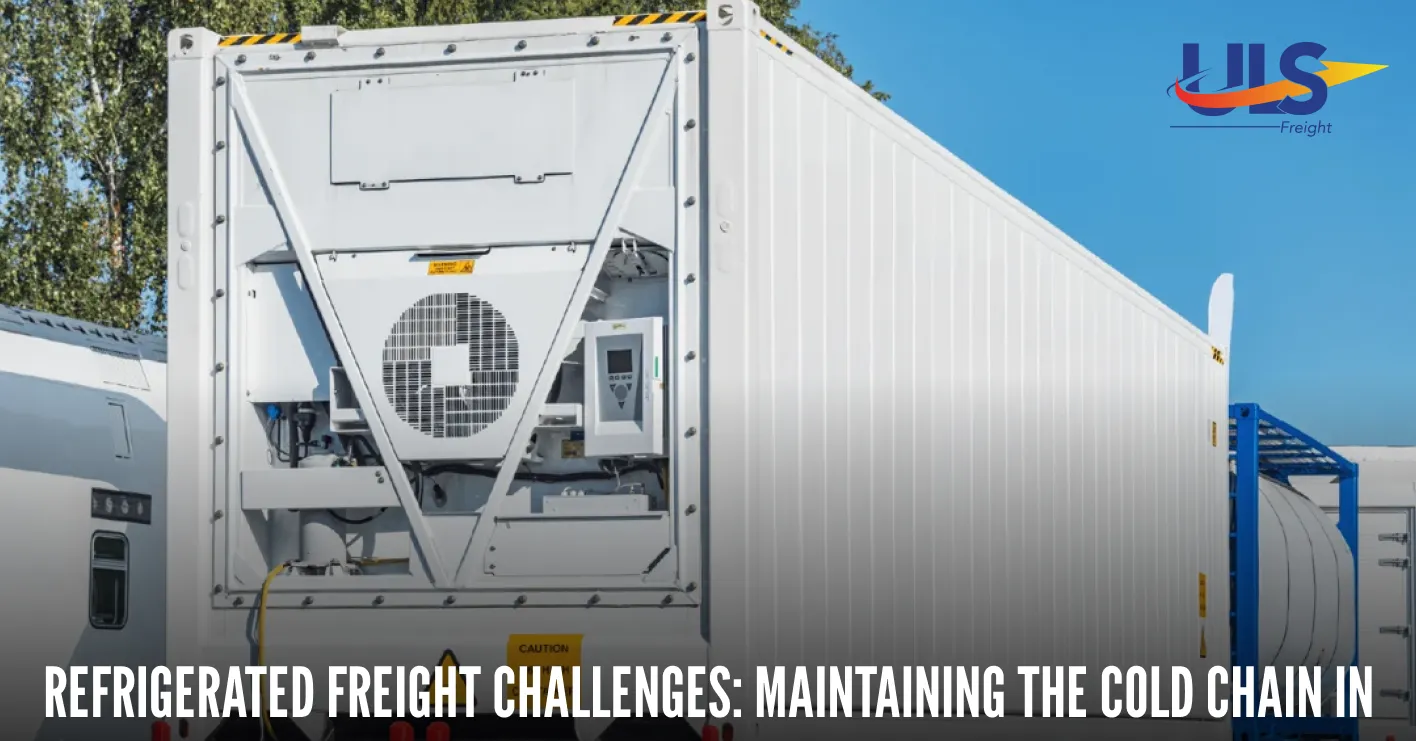
Refrigerated freight, also known as reefer transport, plays a critical role in moving temperature-sensitive goods such as fresh produce, frozen foods, pharmaceuticals, and medical supplies. As of 2026, the cold chain industry faces complex challenges ranging from equipment reliability and temperature integrity to regulatory compliance, high operational costs, and sustainability pressures. At ULS Freight, we leverage advanced technology, strategic planning, and global partnerships to ensure that your refrigerated shipments arrive safely, efficiently, and on time.
Protect your temperature-sensitive goods today—trust our Refrigerated Freight Services!
Key Challenges in Refrigerated Freight
1. Temperature Integrity & “Hot Loads”
Challenge: Maintaining consistent temperature is the most critical aspect of reefer logistics. “Hot loads” occur when cargo is loaded above the target temperature, often after sitting too long on the dock, blocked airflow, or insufficient pre-cooling. Even minor fluctuations can lead to product spoilage, rejected shipments, and financial loss.
ULS Freight Solution:
IoT-enabled real-time temperature monitoring alerts drivers and dispatchers to any deviations.
Pre-cooling protocols ensure trailers reach the correct temperature before loading.
Advanced loading techniques, like proper pallet spacing and air chutes, guarantee even airflow and avoid hot spots.
Prevent spoilage and loss—explore our Cold Chain Solutions now!
2. Equipment Failure & Maintenance
Challenge: Refrigeration units are complex machines with over 200 fault codes. Common failures, such as broken belts, sensor errors, or worn seals, can jeopardize an entire shipment.
ULS Freight Solution:
Predictive maintenance using data analytics identifies potential failures before they happen.
Regular servicing of high-quality components ensures reliability.
Onboard backup solutions and contingency plans prevent cargo loss during transit.
3. High Operational & Fuel Costs
Challenge: Reefer transport consumes significantly more energy than dry freight, increasing fuel and operational costs. Specialized equipment, energy-intensive cooling, and maintenance all add to the expense.
ULS Freight Solution:
AI-driven route optimization reduces fuel consumption and transit time.
Adoption of electric and solar-powered refrigeration units for sustainable urban deliveries.
Regional cold storage hubs minimize the distance of the final delivery leg, cutting costs and reducing spoilage risks.
4. Regulatory Compliance
Challenge: Strict regulations like the Food Safety Modernization Act (FSMA) require precise documentation of temperature logs, sanitation procedures, and traceability. Failure to comply can lead to penalties, rejected shipments, and reputational damage.
ULS Freight Solution:
Digital record-keeping ensures audit-ready temperature logs.
Drivers receive comprehensive training on FSMA, HACCP standards, and proper handling procedures.
Automated compliance alerts prevent regulatory breaches and documentation errors.
Stay compliant and safe—check out our Regulatory Compliance Services now!
5. Labor Shortages & Driver Expertise
Challenge: Reefer transport demands skilled drivers capable of operating complex refrigeration units, managing multi-zone loads, and responding to temperature alerts. Recruiting and retaining qualified personnel remains challenging.
ULS Freight Solution:
Driver training programs on unit operation, troubleshooting, and cold chain best practices.
Incentives and career development to retain experienced reefer drivers.
Dedicated logistics coordinators to support drivers and manage multi-stop routes efficiently.
6. Supply Chain & Logistical Complexity
Challenge: Coordinating shipments across multiple suppliers, carriers, and international borders introduces risks of delays, spoilage, and missed deadlines. Urban congestion and limited last-mile cold-chain infrastructure exacerbate these challenges.
ULS Freight Solution:
Centralized TMS and tracking dashboards offer end-to-end visibility across all shipments.
Proactive communication with warehouses, carriers, and clients ensures smooth operations.
Multi-temperature units allow consolidation of frozen and chilled goods in one journey, optimizing resources.
7. Climate & External Risks
Challenge: Extreme weather, port congestion, or inadequate cold-chain infrastructure at destinations can disrupt the cold chain, affecting product quality.
ULS Freight Solution:
Alternative routing and scheduling mitigate weather or infrastructure-related delays.
Global carrier partnerships provide priority handling at congested hubs.
Use of IoT sensors and predictive analytics allows rapid adjustments to preserve temperature integrity.
8. Sustainability Pressures
Challenge: Environmental regulations and corporate responsibility initiatives are driving the industry to reduce energy consumption and greenhouse gas emissions.
ULS Freight Solution:
Solar-powered refrigeration units and electric transport refrigeration units (eTRUs) reduce carbon footprints.
Adoption of natural refrigerants (CO2, ammonia, hydrocarbons) minimizes global warming potential (GWP).
Reusable and recyclable insulated packaging extends shelf life while reducing waste.
Reduce costs and emissions—learn about our Eco-Friendly Freight options today!
9. Technology Integration & Real-Time Visibility
Challenge: Lack of visibility and insufficient integration of telematics and monitoring systems make it difficult to track cargo conditions, leading to spoilage and accountability issues.
ULS Freight Solution:
IoT sensors and digital twins simulate and monitor cold chain conditions in real time.
Blockchain-enabled traceability ensures immutable, verifiable records of temperature compliance.
Dashboards provide instant alerts and predictive insights, enabling rapid corrective action.
10. Traceability & Accountability
Challenge: Ensuring temperature and compliance records are traceable across the journey is critical for claims, audits, and quality assurance.
ULS Freight Solution:
Automated reporting systems log each temperature data point during transit.
Digital proof of delivery records maintain chain-of-custody transparency.
Enables proactive corrective measures if deviations occur, preventing product loss.
Innovations Driving the Future of Cold Chain Logistics
The refrigerated freight industry is undergoing a technological revolution. As demand for temperature-sensitive transport grows—ranging from fresh produce, frozen foods, pharmaceuticals, and biotech products—the need for smarter, more reliable cold chain solutions has never been higher. At the heart of these innovations are solutions that improve temperature integrity, reduce operational costs, enhance supply chain visibility, and support sustainable practices.
Phase Change Materials (PCMs)
PCMs are advanced thermal materials that absorb and release energy during phase transitions, such as melting or freezing. When integrated into refrigerated shipping containers or pallets, PCMs act as thermal buffers, maintaining a stable internal temperature even during delays or equipment downtime.
Benefits include:
Reducing refrigeration compressor run times by up to 30%, lowering energy consumption.
Minimizing the risk of hot spots and temperature excursions that can spoil perishable goods.
Supporting sustainable cold chain operations by decreasing reliance on fossil fuels.
Next-Generation Compressors
Modern refrigeration units now employ oil-free turbo compressors designed for efficiency and durability. Unlike traditional reefers, these compressors:
Reduce energy usage by up to 40%, directly lowering operational and fuel costs.
Improve reliability, decreasing the chances of mid-transit equipment failures.
Allow for longer shelf-life of temperature-sensitive cargo, including frozen foods, vaccines, and pharmaceuticals.
By upgrading to next-gen compressors, reefer transport companies can achieve higher service reliability while complying with strict cold chain regulations and industry standards.
Circular Packaging & Waste Reduction
Sustainable packaging solutions are becoming integral to modern cold chain logistics. Durable, IoT-enabled insulated boxes, reusable expanded polystyrene (EPS) systems, and plant-based packaging materials offer multiple benefits:
Protect perishable goods from temperature fluctuations and physical damage.
Extend product shelf life while reducing single-use packaging waste.
Enable full traceability via embedded IoT sensors, improving visibility across the cold chain.
These circular packaging initiatives align with increasing regulatory and consumer demands for eco-friendly refrigerated freight solutions, helping companies meet sustainability goals while optimizing costs.
AI & Predictive Analytics
Artificial intelligence is transforming cold chain management by enabling predictive insights and real-time monitoring. Advanced systems can:
Predict potential temperature excursions before they happen, preventing spoilage of high-value perishable cargo.
Optimize delivery routes for reduced fuel consumption and faster transit times.
Integrate data from multiple sources—warehouse management systems (WMS), transport management systems (TMS), and IoT sensors—for end-to-end supply chain visibility.
By adopting AI-driven predictive analytics, refrigerated freight operators can reduce waste, enhance operational efficiency, and provide superior service for sensitive products such as pharmaceuticals, frozen foods, and biotech cargo.
Gain full visibility—discover our Tracking & Monitoring tools today!
Conclusion: Ensuring a Resilient Cold Chain with ULS Freight
Refrigerated freight represents one of the most challenging segments of logistics, combining high operational costs, regulatory oversight, complex equipment, and the critical need for temperature integrity. Companies transporting perishable goods face risks such as:
Temperature deviations that compromise product quality.
Equipment breakdowns leading to shipment delays or losses.
Rising fuel and energy costs impacting profitability.
Compliance with strict cold chain regulations (FSMA, HACCP).
Labor shortages and specialized driver requirements.
Pressure to adopt sustainable logistics practices.
At ULS Freight, we leverage these innovations to overcome every challenge:
Advanced temperature monitoring with IoT-enabled sensors ensures real-time visibility of all cargo.
Predictive maintenance minimizes the risk of equipment failure during transit.
Strategic partnerships with warehouses, carriers, and suppliers secure capacity and streamline operations.
Expert drivers trained in reefer operations ensure precise handling of sensitive goods.
Sustainable solutions, including energy-efficient compressors, phase change materials, and reusable packaging, reduce environmental impact while cutting costs.
With these combined strategies, ULS Freight provides reliable, cost-effective, and eco-friendly refrigerated freight solutions that protect product integrity, improve supply chain efficiency, and maintain customer trust.
About ULS Freight
We are Road freight forwarder based in Canada, and offering our road freight services all across the USA, Canada, and Mexico for the last 10 years.
Recent Posts

The Global Supply Chain Crisis: How Logistics Companies Are Responding

Cross-Border Freight Challenges: Navigating Compliance in a Global Market