Private Freight Terminals: Enhancing Supply Chain Efficiency in Canada & USA
- ULS Freight

Efficient supply chains are the backbone of modern commerce. A private freight terminal is a dedicated logistics hub designed to streamline cargo movement, reduce handling times, and increase operational efficiency. Whether you operate in Canada or the USA, investing in private freight terminal solutions can improve freight throughput, minimize delays, and enhance overall supply chain performance.
Ensure premium care and precision delivery with our White Gloves Services—inside placement, careful handling, assembly support, and damage-free transport for high-value or sensitive shipments.
What Is a Private Freight Terminal?
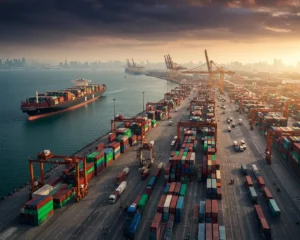
A private freight terminal is a facility owned or leased by a company to manage its cargo operations. Unlike public terminals, these facilities are dedicated to the specific needs of a business or organization, offering direct control over loading, unloading, storage, and transfer of goods.
Key Features of a Private Freight Terminal
| Feature | Description |
|---|---|
| Cargo Handling Facility | Efficient infrastructure for loading and unloading goods, minimizing damage and delays |
| Rail-to-Road Logistics Hub | Connectivity to rail lines and highways for seamless transport |
| Intermodal Transfer Capability | Supports container, pallet, and bulk freight transfer across multiple modes |
| Custom Operations | Tailored workflows for warehousing, inventory management, and scheduling |
| Freight Distribution Terminal | Acts as a central node for regional or national cargo movement |
With private terminals, businesses can ensure faster turnaround times and reduce dependency on third-party operators. This private rail freight terminal or cargo terminal facility model is particularly valuable for companies handling high-volume shipments, time-sensitive goods, or specialized cargo.
How Private Freight Terminals Work
Private freight terminals integrate modern logistics technology with physical infrastructure to optimize cargo operations. The process typically includes:
1. Inbound Cargo Reception
Goods arrive by rail, road, or intermodal transport.
2. Cargo Handling and Inspection
Freight is checked, weighed, and sorted for onward distribution.
3. Storage and Warehousing
Efficient use of warehouse space with racking systems and climate control.
4. Distribution & Outbound Shipping
Cargo is loaded onto trucks or trains for delivery to regional or national destinations.
5. Integrated Logistics Management
Software systems monitor inventory, track shipments, and optimize load planning.
Typical Private Freight Terminal Workflow
| Step | Function | Benefits |
|---|---|---|
| Inbound | Receive cargo from suppliers | Faster processing, reduced delays |
| Handling | Inspect and sort shipments | Minimized damage, accurate tracking |
| Storage | Warehousing and staging | Optimized space, climate-controlled options |
| Outbound | Load and dispatch freight | Efficient distribution, flexible scheduling |
| Management | Logistics software integration | Visibility, predictive planning |
By controlling these processes, private freight terminal operators can reduce bottlenecks, improve safety, and lower overall shipping costs.
Move global cargo efficiently with our Sea Freight Services—secure container shipping, competitive ocean rates, customs support, and reliable port-to-door solutions for businesses across Canada.
Types of Private Freight Terminals
Private freight terminals come in several specialized forms depending on the cargo type and operational requirements:
Rail Freight Terminals: Directly connected to rail networks for bulk and intermodal shipments.
Cargo Terminal Facilities: Focused on warehousing and handling of general freight.
Intermodal Freight Terminals: Transfer points between rail, truck, and containerized shipping.
Private Logistics Terminal Services: Full-service terminals offering loading, storage, and dispatch solutions.
Container Transfer Terminals: Specialized for containerized goods, including refrigerated or hazardous cargo.
Each type is designed to meet specific business needs while maintaining compliance with transportation and safety regulations.
Benefits of Private Freight Terminals
Investing in a private freight terminal provides multiple advantages for companies managing their own logistics networks:
Operational Control – Direct oversight of cargo handling, scheduling, and routing.
Reduced Lead Times – Faster loading and unloading compared to public terminals.
Cost Efficiency – Lower long-term costs by avoiding repeated fees from third-party terminals.
Enhanced Security – Restricted access ensures cargo safety and reduces theft risk.
Scalable Operations – Terminals can be expanded to meet growing freight volumes.
Customized Solutions – Tailored infrastructure for specialized cargo such as refrigerated or oversized goods.
Businesses in Canada and the USA using private intermodal terminal services often report higher reliability and predictable delivery schedules, critical for industries like manufacturing, retail, and pharmaceuticals.
Capacity & Infrastructure Considerations
When planning or leasing a private freight terminal, key infrastructure elements and capacities must be considered:
| Infrastructure | Importance | Example |
|---|---|---|
| Rail Connectivity | Enables direct bulk shipping | Dedicated siding or rail spur |
| Truck Access | Facilitates regional distribution | Multiple loading docks |
| Storage & Warehousing | Supports inventory management | Pallet racking, climate control |
| Material Handling Equipment | Improves efficiency | Cranes, forklifts, conveyors |
| IT & Logistics Systems | Tracks cargo, optimizes workflow | Terminal management software |
| Security Systems | Ensures cargo safety | CCTV, access control |
Understanding these components ensures your private freight terminal logistics operate smoothly and cost-effectively.
Private Freight Terminal Costs
The cost of a private freight terminal depends on several factors:
Size & Capacity – Larger facilities with higher pallet or container capacities cost more to build or lease.
Infrastructure Requirements – Rail spurs, loading docks, and specialized equipment add to the investment.
Location – Proximity to transport networks and major markets affects real estate costs.
Services Offered – Warehousing, intermodal handling, and IT systems can increase operational expenses.
Businesses may choose to lease a private freight terminal initially to reduce upfront costs, while building one offers long-term control and efficiency.
Optimize supply chains with our Warehousing & Transportation Services—secure storage, inventory management, and seamless distribution designed to streamline logistics and reduce operational costs.
Choosing the Right Private Freight Terminal Provider
When selecting a private terminal, consider:
Location – Close to major highways, railways, and customer hubs.
Capacity – Sufficient for current and projected cargo volumes.
Technology Integration – Modern IT systems for inventory tracking and load optimization.
Safety & Compliance – Adherence to regulatory and safety standards.
Customization – Ability to support specialized cargo or unique workflows.
Partnering with a professional private logistics terminal provider ensures your supply chain is optimized, secure, and scalable.
FAQs About Private Freight Terminals
1. What is a private freight terminal?
A private freight terminal is a dedicated logistics hub owned or leased by a company for handling, storing, and distributing cargo.
2. How does a private freight terminal work?
Goods arrive by truck or rail, are inspected, stored, and then dispatched using integrated logistics systems for efficient distribution.
3. What are the benefits of using a private freight terminal?
Key benefits include faster turnaround times, operational control, enhanced security, cost efficiency, and scalability.
4. How much does a private freight terminal cost?
Costs depend on size, location, infrastructure, and services offered. Leasing reduces upfront costs, while building provides long-term control.
5. Can private freight terminals handle intermodal shipments?
Yes. Many private terminals support rail-to-road logistics and container transfers for intermodal shipments.
6. What types of cargo can a private freight terminal manage?
They can handle general freight, refrigerated goods, oversized cargo, hazardous materials, and containerized shipments.
7. Where can I find a private freight terminal near me?
Private freight terminals are available across Canada and the USA, often near major industrial hubs, rail lines, and highways.
Conclusion & Take Action: Optimize Your Freight Operations
Investing in a private freight terminal empowers your business with control, efficiency, and security. From managing high-volume shipments to specialized intermodal cargo, private terminals streamline your supply chain and improve service reliability.
Take Action Today: Evaluate your logistics needs, consult with a private freight terminal operator, and implement a solution that reduces costs, improves throughput, and future-proofs your freight operations. Maximize your cargo efficiency and stay competitive in Canada and the USA with a dedicated terminal facility.
About ULS Freight
We are Road freight forwarder based in Canada, and offering our road freight services all across the USA, Canada, and Mexico for the last 10 years.
Recent Posts
The Global Supply Chain Crisis: How Logistics Companies Are Responding

Cross-Border Freight Challenges: Navigating Compliance in a Global Market