National Drayage Services: Reliable Container Transport Across Canada and USA
- ULS Freight
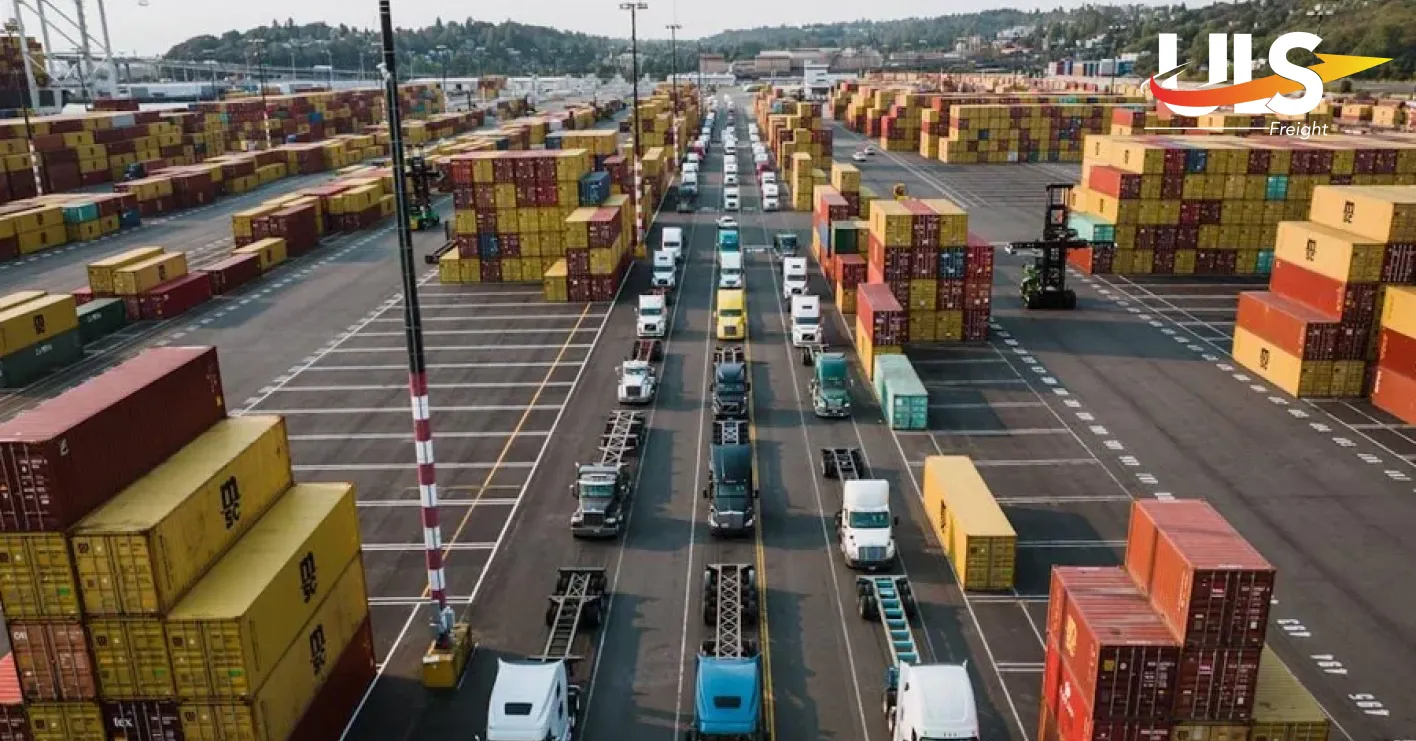
For businesses that depend on containerized freight, the supply chain does not stop when a ship reaches port or a train arrives at a rail terminal. The final movement between ports, rail yards, warehouses, and distribution centers is often the most time-critical and challenging stage. This is where national drayage services become essential.
Across Canada and the United States, companies are facing increasing challenges such as port congestion, chassis shortages, tighter delivery schedules, and rising detention and demurrage costs. Without a well-structured drayage plan, these challenges can quickly turn into costly disruptions. For importers, exporters, manufacturers, and retailers, reliable container transportation is no longer optional—it is a core requirement for maintaining smooth operations and customer confidence.
Understanding Container Drayage in Today’s Supply Chains
Drayage refers to the short-distance transportation of shipping containers between key logistics points. Although the distance may be limited, the level of coordination required is significant. Containers frequently move from marine terminals to rail ramps, from rail facilities to warehouses, or directly to end customers.
Businesses operating across multiple regions need more than a local drayage solution. National drayage services provide consistent container transportation across ports and inland hubs, helping companies avoid fragmented operations. This unified approach simplifies logistics management for organizations with nationwide or cross-border supply chains.
Working with a centralized drayage partner also improves accountability. Instead of coordinating with multiple carriers, logistics teams gain better visibility into container locations, delivery timelines, and potential risks.
Why Nationwide Drayage Coverage Is Critical
Many importers use multiple gateways depending on supplier locations and seasonal demand. For example, shipments may arrive through Vancouver, Los Angeles, or New York throughout the year. Without national coverage, businesses must manage different carriers, processes, and communication styles at each port.
National drayage services bring consistency across all locations. Standardized processes help reduce errors, improve planning, and ensure smoother operations—especially during peak shipping periods when delays are more common.
For exporters, dependable container pickup and repositioning are equally important. Missing vessel cutoffs can result in lost booking space and additional costs, making reliable drayage a key factor in outbound logistics success.
Cross-Border Drayage Between Canada and the USA
Cross-border container movement adds another layer of complexity. Containers traveling between Canada and the United States require coordination with customs brokers, rail operators, and border authorities.
A drayage provider with experience on both sides of the border understands regional infrastructure, regulatory requirements, and documentation processes. This expertise helps prevent delays and miscommunication that can stall shipments at critical points.
National drayage services are especially valuable for industries such as automotive, consumer goods, industrial manufacturing, and food distribution that rely heavily on cross-border trade.
Industries That Rely on Reliable Container Transport
Retail operations depend on predictable container movement to support store replenishment and eCommerce fulfillment. Port delays can disrupt inventory flow and impact customer satisfaction.
Manufacturing facilities rely on timely delivery of raw materials and components. Even a single delayed container can interrupt production schedules and lead to costly downtime.
Food and beverage companies face added pressure due to shelf-life constraints and regulatory compliance. Efficient container handling plays a vital role in maintaining product quality and meeting delivery timelines.
Construction and industrial sectors also depend on containerized freight for heavy materials and equipment that must arrive according to strict project schedules.
Common Challenges in Drayage Operations
Despite covering short distances, drayage presents several challenges. Port congestion can limit appointment availability, while chassis shortages may delay container pickup. Inadequate communication can leave logistics teams uncertain about container status and delivery timing.
Without a coordinated strategy, containers may sit idle at terminals, accumulating detention and demurrage charges. These costs add up quickly and can significantly impact profit margins.
National drayage services help address these issues through structured planning, proactive scheduling, and strong working relationships with ports and rail facilities.
What Defines a Reliable Drayage Provider
Not all drayage providers are equipped to handle complex supply chains. A strong partner offers more than just trucks and drivers.
Key strengths include broad regional coverage, access to chassis equipment, experienced dispatch teams, and dependable operational processes. Technology also plays an important role—real-time tracking and status updates give businesses the visibility needed to plan downstream activities.
Clear and proactive communication is equally important. A reliable drayage provider keeps clients informed of potential delays and works quickly to resolve issues before they escalate.
How ULS Freight Supports National Drayage Operations
ULS Freight delivers national drayage services tailored for businesses operating across Canada and the United States. Their focus is on consistency, transparency, and operational efficiency rather than one-off transactions.
By coordinating container pickups and deliveries across ports, rail terminals, and inland locations, ULS Freight helps reduce container dwell time and avoid unnecessary charges. Their experience with cross-border movements allows them to manage complex routes with minimal disruption.
ULS Freight collaborates closely with logistics teams to ensure drayage planning aligns with broader supply chain objectives, supporting long-term operational goals.
Advantages of a Centralized Drayage Strategy
Partnering with a single drayage provider across regions simplifies logistics coordination. Fewer vendors reduce administrative workload and improve accountability.
National drayage services also support better cost control. Improved scheduling helps minimize detention fees, while standardized processes reduce unexpected operational issues. Greater predictability allows businesses to plan inventory and meet customer commitments with confidence.
Over time, a centralized drayage approach builds stronger partnerships and creates more resilient supply chains that can adapt to changing market conditions.
Integrating Drayage with Intermodal and Warehousing Services
Drayage is most effective when integrated with rail, long-haul trucking, and warehousing operations. Seamless coordination between transportation modes reduces handoff delays and improves overall transit reliability.
For companies using intermodal shipping, this integration is essential to maintaining consistent delivery timelines. ULS Freight supports this process by aligning container movement with downstream transportation and storage plans, creating a more connected and efficient logistics network.
Choosing the Right Drayage Partner
Selecting a drayage provider should go beyond price considerations. Coverage area, reliability, communication practices, and industry experience all play a critical role.
Businesses should assess whether a provider can handle current shipment volumes and scale effectively during peak periods. Understanding how the provider manages disruptions and problem resolution is equally important.
ULS Freight positions itself as a long-term logistics partner, supporting clients through growth, seasonal fluctuations, and evolving market demands.
Strengthen Your Container Strategy with ULS Freight
Container delays can create ripple effects throughout the supply chain, increasing costs and impacting customer satisfaction. A dependable drayage strategy ensures containers move efficiently from arrival to final delivery.
By leveraging national drayage services with an experienced provider like ULS Freight, businesses gain greater consistency, visibility, and control across Canada and the United States. If containerized freight is critical to your operations, strengthening this link is essential for long-term success.
Connect with ULS Freight to develop a container transport strategy that meets today’s needs and scales for the future.
Frequently Asked Questions
What is drayage in container shipping?
Drayage refers to the short-distance transportation of shipping containers between ports, rail terminals, warehouses, and distribution centers.
Why is national drayage coverage important?
National coverage allows businesses to manage container movement consistently across multiple regions using a single, coordinated provider.
How do drayage delays increase costs?
Delays can lead to detention and demurrage fees, missed delivery windows, and downstream supply chain disruptions.
Can drayage providers handle cross-border shipments?
Yes, experienced drayage providers manage container movements between Canada and the USA while coordinating customs and regulatory requirements.
How does ULS Freight support container transportation?
ULS Freight offers coordinated planning, reliable execution, and clear communication to help businesses reduce delays and improve overall supply chain performance.
About ULS Freight
We are Road freight forwarder based in Canada, and offering our road freight services all across the USA, Canada, and Mexico for the last 10 years.
Recent Posts
The Global Supply Chain Crisis: How Logistics Companies Are Responding

Cross-Border Freight Challenges: Navigating Compliance in a Global Market