Logistics Specialist Services in the USA – End to End Freight and Supply Chain Solutions
- ULS Freight

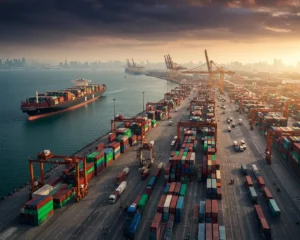
Managing freight and supply chains across the United States goes far beyond simply booking trucks or containers. A logistics specialist in the USA oversees the entire movement of cargo—from ports and warehouses to distribution centers and final delivery—while minimizing delays, managing costs, and ensuring full regulatory compliance. With heavily congested West Coast ports such as Los Angeles, Long Beach, and Oakland processing millions of TEUs each year, businesses rely on specialists who can navigate port bottlenecks and align shipments with inland rail hubs and trucking corridors. On the East Coast, major gateways like New York/New Jersey, Savannah, and Charleston demand precise coordination due to high import volumes, labor disruptions, and region-specific trucking regulations.
Streamline your supply chain with 3PL logistics services that support warehousing, distribution, and last-mile delivery.
Logistics specialists also manage cross-border freight movements into Canada and Mexico. For example, a shipment traveling from Los Angeles to Chicago must be carefully timed to meet retail or manufacturing deadlines while accounting for fuel surcharges, driver hours-of-service rules, and regional weight limits. By combining real-time shipment visibility, multi-modal transportation strategies, and customs compliance, logistics specialists eliminate bottlenecks and deliver predictable transit schedules—essential for manufacturers, retailers, and e-commerce businesses.
Core Services Provided by Logistics Specialists
Freight planning and execution form the foundation of logistics specialist services. Specialists design efficient supply chain networks that balance speed, cost, and reliability from origin to destination. A logistics specialist in the USA evaluates multiple transportation modes—including ocean freight, rail, and trucking—to determine the most efficient routing while factoring in infrastructure limitations, seasonal congestion, and freight classifications.
Warehouse management is another critical component. Logistics specialists ensure accurate receiving, storage, and outbound dispatch of inventory. Through ERP integration, real-time inventory visibility, and cross-docking operations, businesses reduce storage expenses and accelerate order fulfillment. For instance, freight arriving at the Port of Houston may be transferred through nearby intermodal yards such as BNSF or Union Pacific before final delivery to distribution centers in Dallas or Austin. Proper coordination helps avoid demurrage charges, protects product integrity, and keeps supply chains running smoothly.
Route optimization across key highways including I-80, I-95, and I-10
Integration with ocean and rail carriers for intermodal freight
Real-time shipment tracking and exception handling
Multi-modal transport solutions combining truck, rail, and air
Customs documentation and compliance for cross-border freight
Seasonal capacity planning for peak periods such as holidays or harvest seasons
Port-to-Door Coordination and Regional Expertise
A logistics specialist ensures that congestion at ports does not disrupt the broader supply chain. Cargo arriving at the Port of Savannah, for example, is often destined for markets such as Atlanta, Charlotte, or Birmingham. Coordinating drayage services, yard availability, and final-mile trucking requires strong local insight. Similarly, freight moving from the Port of Los Angeles to Phoenix or Las Vegas must consider traffic conditions on I-10 and I-15, state-specific weight restrictions, and warehouse delivery schedules.
In the Midwest, Chicago acts as a major rail and trucking hub. Logistics specialists balance inbound cargo from West Coast ports with outbound distribution to regional markets across Michigan, Ohio, and Wisconsin. Seasonal challenges—such as winter snowstorms or spring flooding—require contingency planning and flexible carrier arrangements. Without this expertise, businesses risk late shipments, higher costs, and reduced customer satisfaction.
Coordination between ocean carriers, drayage providers, and warehouses
Planning around port congestion, labor disruptions, and vessel delays
Allocation of temperature-controlled or sensitive freight to appropriate equipment
Management of last-mile delivery in densely populated metro areas
Seasonal risk mitigation and contingency strategies
Compliance with federal and local trucking safety regulations
Ensure smooth container movement from ports and rail yards using dependable drayage trucking services.
Technology-Driven Logistics Efficiency
Technology plays a vital role in modern logistics operations. Advanced freight visibility platforms allow businesses to track shipments across carriers and transport modes in real time. Predictive analytics identify potential disruptions at ports, rail terminals, or major highways before they escalate. Temperature-sensitive freight—such as pharmaceuticals and food products—requires continuous monitoring to prevent spoilage or compliance violations. Digital tools enable specialists to track temperature setpoints, humidity levels, and transit times in line with cold chain standards.
Warehouse and inventory systems are integrated with transportation schedules to support just-in-time delivery models, reducing storage costs and unnecessary handling. For e-commerce operations, these systems enable faster fulfillment by aligning inventory locations with consumer demand, supporting same-day or next-day delivery and protecting brand reputation.
Real-time shipment visibility dashboards
Predictive analytics for port and transportation delays
Continuous temperature and humidity monitoring
Integration with warehouse management systems and ERP platforms
Automated alerts for service exceptions
Data-driven optimization of routes and carrier selection
Specialized Freight Management Solutions
Logistics specialists also manage complex and high-risk freight categories that require specialized handling. Oversized equipment, perishable goods, hazardous materials, and delicate electronics demand customized transportation solutions. Reefer trailers, flatbeds, and heavy-haul equipment are scheduled to meet strict delivery timelines and regulatory requirements. For example, a pharmaceutical shipment moving from Miami to New York may require a validated refrigerated truck with GPS tracking to ensure compliance with FDA regulations and product integrity.
Industrial manufacturers shipping raw materials from ports like Houston or New Orleans to Midwest facilities depend on precise, just-in-time delivery. Logistics specialists coordinate staging locations, load sequencing, and delivery windows to prevent production interruptions. These services reduce inventory carrying costs, limit damage risks, and enhance operational efficiency.
Coordination of specialized carriers for sensitive or oversized cargo
Compliance with DOT, OSHA, and EPA regulations
Load sequencing and staging for manufacturing and retail operations
Real-time communication for inventory and delivery planning
Risk mitigation for hazardous or fragile freight
Strategic scheduling to avoid congestion and peak traffic hours
National Coverage and Cross-Border Capabilities
Many companies require freight transportation across multiple states or international borders. Logistics specialists support national drayage and cross-border shipments by managing customs regulations, documentation, and carrier coordination. Canadian ports such as Vancouver and Montreal connect to U.S. Midwest and East Coast markets, while border crossings like Detroit–Windsor and Buffalo–Niagara demand strict adherence to inspection procedures and hours-of-service regulations.
Protect temperature-sensitive cargo with compliant refrigerated transportation services ensuring cold-chain integrity.
Domestic freight movements—from Los Angeles to New York or Houston to Chicago—often involve a combination of trucking, rail, and air freight. Logistics specialists optimize these movements to reduce transit times while managing fuel and labor expenses. Shipment consolidation and multi-stop routing models further improve cost efficiency without compromising reliability.
Expertise in customs documentation and cross-border compliance
Shipment consolidation to reduce transportation costs
Coordination with Canadian and Mexican carrier networks
Compliance with federal, state, and local transport regulations
Tracking and reporting for domestic and international shipments
Planning for intermodal and multi-stop delivery routes
How to Choose the Right Logistics Specialist
Selecting the right logistics specialist means partnering with a provider that offers proven experience, an extensive carrier network, and advanced technology solutions. Businesses should assess performance history, client references, and the ability to scale operations during peak seasons or urgent shipping situations. Specialists with deep knowledge of high-volume corridors, port operations, and last-mile delivery challenges deliver smoother and more reliable supply chain outcomes.
Optimize inventory storage and distribution using integrated warehousing & transportation services.
Local expertise is especially important when navigating city-specific restrictions such as delivery limitations in New York City, freeway weight restrictions in Los Angeles, or rail congestion in Chicago. Businesses that work closely with an experienced logistics specialist gain transparency, consistency, and long-term cost savings.
Evaluate carrier coverage and geographic reach
Review technology platforms and real-time tracking capabilities
Confirm experience with specialized or sensitive cargo
Assess scalability for seasonal demand fluctuations
Check references and relevant industry certifications
Ensure proactive communication and problem-solving support
FAQs About Logistics Specialist Services in the USA
Q1: How is a logistics specialist different from a traditional freight broker?
A logistics specialist provides full supply chain management, including planning, multi-modal coordination, real-time visibility, and regulatory compliance—not just freight booking.
Q2: How do logistics specialists manage port congestion?
They coordinate drayage, terminal access, and warehouse scheduling while using alternative routes and carriers to minimize delays.
Q3: Can logistics specialists handle temperature-sensitive freight?
Yes. They use refrigerated equipment, monitored temperature controls, and cold chain compliance for food, pharmaceuticals, and perishable products.
Q4: Are logistics specialists suitable for small and medium-sized businesses?
Yes. By consolidating freight, optimizing routes, and reducing storage and demurrage costs, they often deliver significant cost savings.
Q5: How are cross-border shipments to Canada or Mexico managed?
Logistics specialists handle documentation, customs coordination, carrier alignment, and scheduling to ensure smooth and compliant deliveries.
About ULS Freight
We are Road freight forwarder based in Canada, and offering our road freight services all across the USA, Canada, and Mexico for the last 10 years.
Recent Posts
The Global Supply Chain Crisis: How Logistics Companies Are Responding

Cross-Border Freight Challenges: Navigating Compliance in a Global Market