
Insulated Shipping Containers in Canada: Benefits, Best Uses & Business Solutions
- ULS Freight
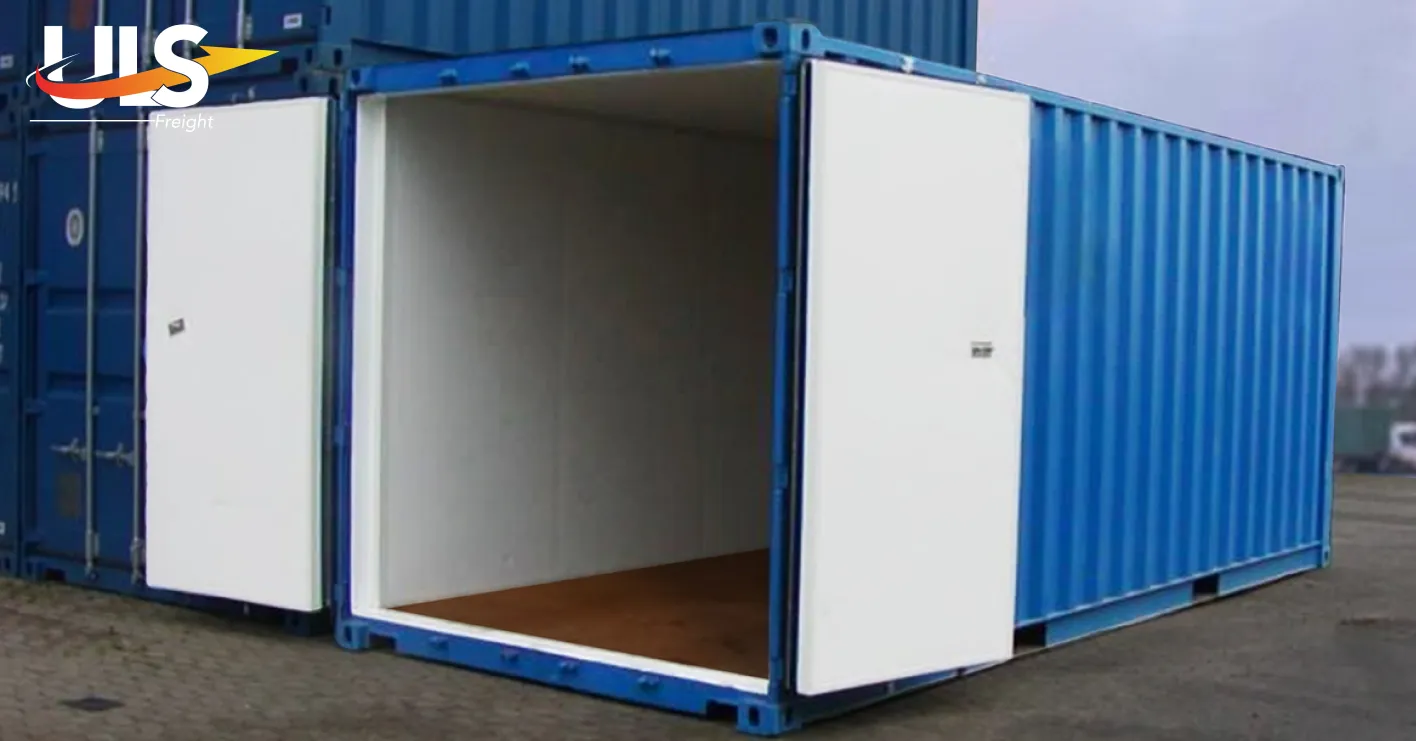
In Canada’s extreme climate, protecting goods during transport and storage isn’t optional—it’s essential. From freezing winters to scorching summer heat, temperature fluctuations can damage products, disrupt supply chains, and cause significant financial losses. This is why insulated shipping containers have become a critical logistics solution for businesses operating across Canada and the USA.
Ship your large shipments across Canada & USA with ULS Freight’s full truckload services—dedicated trucks, secure handling, and reliable delivery for peace of mind every time.
ULS Freight provides insulated shipping container solutions designed to protect temperature-sensitive cargo, prevent product spoilage, and help businesses maintain compliance, quality, and customer trust.
The Problem: Temperature Damage Is Costing Businesses More Than They Realize
Many businesses still rely on standard shipping containers without proper insulation. While these containers may seem cost-effective initially, they expose cargo to serious risks.
Common Issues Businesses Face Without Insulated Containers:
Product spoilage due to heat or freezing
Condensation causing mold, rust, or contamination
Damaged packaging and reduced shelf life
Regulatory non-compliance for food or medical goods
Customer complaints, returns, and brand damage
Standard steel containers absorb external temperatures quickly. Without insulation, internal temperatures can rise or drop drastically within hours, putting your products at risk.
The solution: insulated shipping containers designed to stabilize internal conditions and protect cargo integrity.
What Is an Insulated Shipping Container?
An insulated shipping container is a standard cargo container modified with insulation materials to regulate internal temperature and reduce heat transfer.
Common Insulation Methods:
Spray foam insulation
Insulation panels
Shipping container insulation kits
Rigid board or thermal barrier systems
These containers are ideal for both transport and storage, especially for goods that cannot tolerate temperature fluctuations.
Move heavy, oversized, or standard cargo safely with ULS Freight’s flatbed services—experienced drivers, secure transport, and on-time delivery for all your specialized freight needs.
Which Businesses Need Insulated Shipping Containers?
1. Food & Beverage Companies
Problem: Frozen, chilled, or packaged food products can thaw, spoil, or become unsafe during transit.
Solution: Insulated containers maintain temperature stability and reduce spoilage risk.
Typical users:
Frozen food distributors
Dairy suppliers
Meat and seafood companies
Beverage manufacturers
2. Pharmaceutical & Healthcare Businesses
Problem: Medical supplies, vaccines, and healthcare products require strict temperature control. Even short exposure to heat or cold can render them unusable.
Solution: Spray foam or panel-insulated containers protect sensitive medical cargo and ensure regulatory compliance.
3. Chemical & Industrial Manufacturers
Problem: Certain chemicals and industrial materials degrade or become unstable under extreme temperatures, leading to hazards or loss.
Solution: Insulation creates a controlled internal environment, protecting high-value materials.
4. Agriculture & Produce Businesses
Problem: Fresh produce is highly sensitive to heat, cold, and moisture. Condensation inside non-insulated containers can ruin shipments.
Solution: Insulated containers regulate humidity and temperature, extending freshness and reducing waste.
Rely on ULS Freight’s ground freight solutions for secure, timely delivery across Canada & USA—handling standard, oversized, and heavy haul shipments with efficiency and care.
5. Retailers & E-commerce Businesses
Problem: Products such as cosmetics, electronics, supplements, and specialty goods can warp, melt, or degrade during transport.
Solution: Insulated containers safeguard retail inventory during long-haul transport and seasonal storage.
6. Construction & Specialty Materials Suppliers
Problem: Adhesives, coatings, and temperature-sensitive construction materials can fail when exposed to freezing conditions.
Solution: Insulation ensures materials remain usable year-round, even in harsh Canadian winters.
How Insulated Shipping Containers Solve These Problems
Temperature Control: Slows heat transfer, keeping internal conditions stable regardless of outside weather.
Condensation Prevention: Reduces moisture buildup, preventing mold, corrosion, and packaging damage.
Product Integrity: Maintains product quality, safety, and shelf life.
Reduced Losses & Returns: Fewer damaged shipments, fewer returns, and stronger customer satisfaction.
Types of Shipping Container Insulation
Spray Foam Insulation
Creates an airtight thermal barrier, making it one of the most effective methods.
Best for: Food transport, pharmaceuticals, long-term storage
Insulation Panels
Rigid panels installed along container walls and ceilings.
Best for: Dry goods, retail inventory, industrial materials
Insulation Kits
Pre-packaged kits for flexible and fast installation.
Best for: Temporary storage, seasonal operations
How Do You Insulate a Shipping Container?
The process usually involves:
Assessing cargo temperature requirements
Selecting the appropriate insulation type
Sealing walls, ceiling, and doors
Adding vapor barriers if required
ULS Freight works closely with businesses to ensure the right insulation solution is selected for the cargo and shipping route.
Optimize your shipping costs with ULS Freight’s LTL services—flexible, efficient, and reliable transport for smaller shipments without compromising safety or delivery speed.
What Happens If Businesses Don’t Use Insulated Containers?
Failing to insulate shipping containers can lead to:
Financial losses from spoiled or damaged goods
Contract penalties and rejected shipments
Regulatory compliance issues
Increased insurance claims
Long-term brand reputation damage
For businesses shipping temperature-sensitive goods, not using insulated containers is a risk that grows over time.
Insulated Shipping Containers for Sale & Long-Term Use
Many businesses purchase insulated shipping containers as a long-term logistics investment. These containers can be reused across multiple shipping cycles and storage applications.
ULS Freight helps businesses evaluate whether purchasing or leasing insulated containers best fits their operational model.
Why Businesses Choose ULS Freight
ULS Freight provides insulated shipping container solutions tailored to real-world logistics challenges. Our focus includes:
Cargo-specific insulation strategies
Reliable container transport services
Business-focused logistics planning
Expertise in temperature-sensitive freight
Our approach ensures your goods arrive protected, compliant, and market-ready.
Best Uses of Insulated Shipping Containers
Shipping frozen food and perishables
Transporting pharmaceuticals and medical supplies
Storing temperature-sensitive inventory
Cross-border freight shipping
Seasonal logistics operations
Final Thought: Protect Your Cargo Before It Becomes a Problem
Temperature damage doesn’t always appear immediately, but when it does, the cost is high. Insulated shipping containers are not just an upgrade—they are a safeguard for your business.
ULS Freight provides insulated shipping container solutions that help businesses prevent losses, protect products, and transport cargo with confidence across Canada and the USA.
About ULS Freight
We are Road freight forwarder based in Canada, and offering our road freight services all across the USA, Canada, and Mexico for the last 10 years.
Recent Posts

The Global Supply Chain Crisis: How Logistics Companies Are Responding

Cross-Border Freight Challenges: Navigating Compliance in a Global Market

Freight Forwarding vs. Freight Brokering: Explore the Best Option For Yourself

Top 5 Strategies to Reduce Freight Shipping Costs Without Compromising Speed

The Impact of Canada’s Harsh Winters on Supply Chains & How ULS Freight Helps

Choosing Between Air & Sea Freight for Your Business – The Complete Guide

How 3PL Logistics Solutions Improve Supply Chain Efficiency for Modern Businesses
Ultimate Guide to White Glove Delivery

Freight Forwarding Services: A Complete Guide to Canadian and Cross-Border Shipping
What is White Glove Service & Why It Matters
Frequently Asked Questions (FAQs)
An insulated shipping container is a standard cargo container modified with insulation materials to regulate internal temperature and minimize heat transfer. These containers create a controlled environment, protecting temperature-sensitive goods from extreme heat, freezing temperatures, and condensation. Common insulation methods include spray foam, rigid panels, insulation kits, and thermal barriers. While they don’t actively cool cargo like refrigerated containers, insulated containers help maintain stable conditions during storage or transport, reducing spoilage, moisture damage, and product loss.
No, insulated containers do not replace refrigerated containers. While they stabilize internal temperatures and slow heat transfer, they do not actively cool cargo. Businesses often use them alongside cold packs, dry ice, or controlled logistics systems to maintain the required temperatures. Insulated containers are ideal for short-term transport, storage, or seasonal logistics operations, while refrigerated containers are necessary for products requiring continuous active cooling.
Yes, many standard containers can be retrofitted with insulation to meet specific cargo needs. Common methods include:
Spray foam insulation – creates an airtight thermal barrier, ideal for food, pharmaceuticals, and long-term storage.
Rigid insulation panels – mounted along walls, ceiling, and doors, suitable for industrial goods, dry products, and retail inventory.
Insulation kits – pre-packaged solutions for faster installation and temporary or seasonal operations.
ULS Freight works with businesses to evaluate cargo requirements and select the most effective insulation solution for the route and type of goods.
Insulated containers are essential for any business shipping temperature-sensitive goods. The industries that benefit the most include:
Food & Beverage: Frozen, chilled, or packaged foods, dairy, meat, seafood, and beverages.
Pharmaceutical & Healthcare: Vaccines, medicines, and medical devices requiring temperature stability.
Chemical & Industrial: Materials and chemicals prone to degradation under heat or cold.
Agriculture & Produce: Fresh fruits, vegetables, and perishable crops needing humidity and temperature control.
Retail & E-commerce: Electronics, cosmetics, supplements, and specialty goods sensitive to heat or cold.
Construction & Specialty Materials: Adhesives, coatings, and other temperature-sensitive materials.
By stabilizing internal temperatures, insulated containers help reduce product spoilage, returns, and regulatory risks while maintaining customer trust.
Yes, insulated containers are widely used for long-term storage of temperature-sensitive goods. They prevent condensation, mold, corrosion, and freezing, ensuring products remain safe and market-ready. Businesses can either purchase insulated containers as a long-term investment or lease them for seasonal or temporary use. ULS Freight helps businesses assess operational needs, cargo types, and budget to determine whether buying or leasing is the best option for their logistics strategy.