Green Logistics in 2026: Definition, Strategies, Benefits & Sustainable Freight Solutions
- ULS Freight
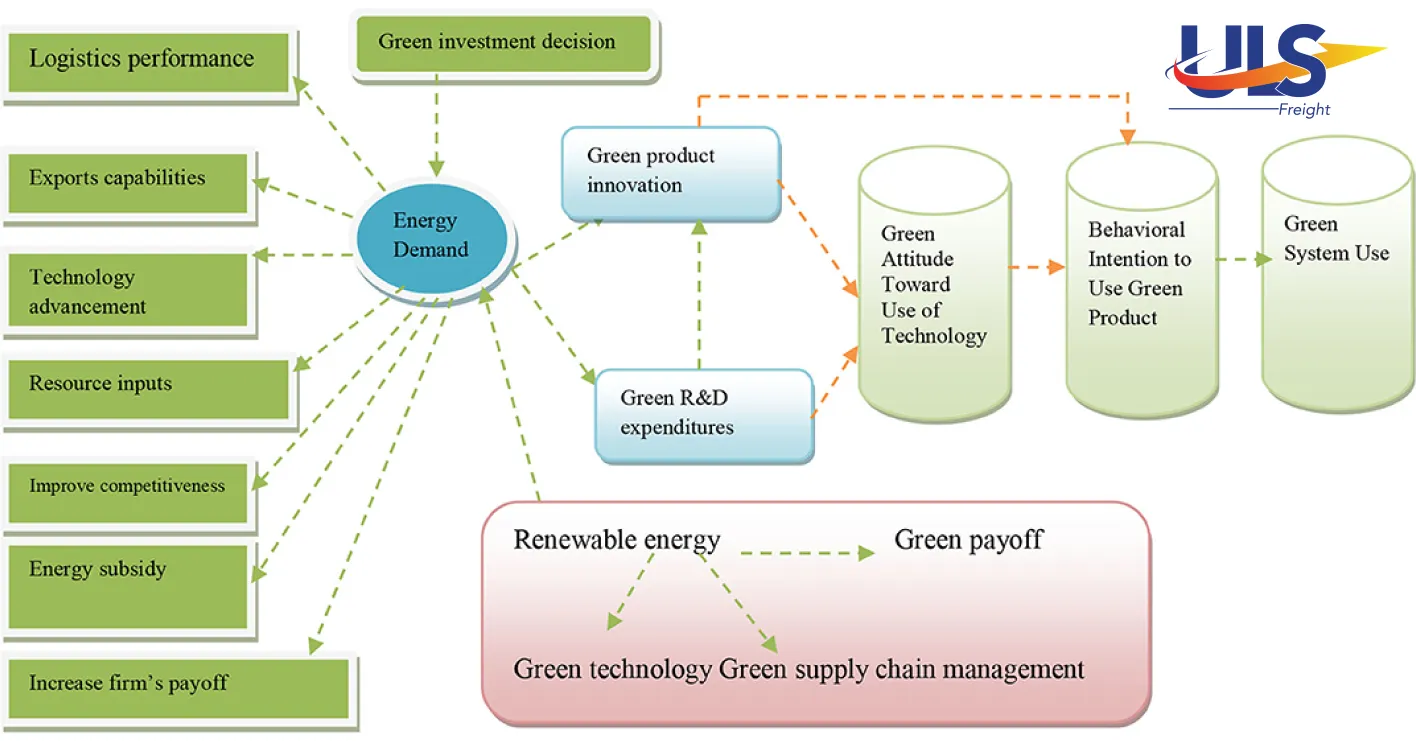
Green Logistics is the adoption of eco-friendly, sustainable practices in transportation, warehousing, and packaging to reduce supply chain environmental impact.
At ULS Freight, Green Logistics is becoming a core part of modern freight solutions across Canada and the USA, helping businesses cut emissions while staying efficient.
This guide explains everything you need to know about Green Logistics in 2026 and beyond.
What Is Green Logistics?
Green Logistics refers to sustainable policies and practices designed to minimize the environmental footprint of logistics operations.
It focuses on reducing carbon emissions, waste, fuel consumption, and pollution across the entire supply chain.
In simple terms: Green Logistics means moving goods smarter, cleaner, and more responsibly.
Green Logistics is also known as:
Sustainable logistics
Eco-logistics
Low-emission freight management
Why Green Logistics Matters in 2026+
Green Logistics is no longer optional. It is becoming essential due to:
Rising fuel costs
Stricter environmental regulations in Canada and the USA
Customer demand for sustainable supply chains
Corporate ESG reporting requirements
The global Green Logistics market is projected to more than double from $1.4 billion in 2024 to $2.8+ billion by 2033, showing rapid growth in sustainable freight demand.
Green Logistics is shaping the future of transportation and logistics.
Key Components of Green Logistics
Green Logistics covers every stage of the logistics network.
1. Sustainable Transportation
Transportation is the largest source of logistics emissions.
Green Logistics strategies include:
Using electric or hybrid trucks
Switching to fuel-efficient freight modes
Optimizing delivery routes
Reducing empty miles
Example: A cross-border freight carrier running optimized routes from Ontario to the USA can reduce fuel waste significantly.
Green Logistics ensures freight moves efficiently with fewer emissions.
2. Green Warehousing
Warehousing is another major area for Green Logistics improvement.
Sustainable warehouse practices include:
LED lighting upgrades
Renewable energy adoption
Smart temperature control systems
Energy-efficient building design
Green Logistics warehouses reduce long-term operating costs while supporting sustainability goals.
3. Eco-Friendly Packaging
Packaging waste is a growing challenge in logistics.
Green Logistics encourages:
Recyclable materials
Biodegradable packaging
Reduced package size and weight
Reusable shipping containers
This helps lower landfill waste and improves supply chain efficiency.
4. Reverse Logistics & Circular Economy
Reverse logistics is a critical part of Green Logistics.
It involves:
Product returns management
Recycling programs
Refurbishment and reuse
Waste reduction initiatives
Green Logistics supports a circular economy by keeping materials in use longer.
5. Technology Integration (AI, IoT, Analytics)
Modern Green Logistics relies heavily on technology.
Tools include:
Artificial intelligence for route planning
Machine learning for demand forecasting
IoT sensors for fuel monitoring
Advanced analytics for network optimization
Green Logistics technology helps companies reduce emissions while improving delivery performance.
10+ Practical Green Logistics Strategies for Businesses
Green Logistics is implemented through real operational changes.
Here are the most effective strategies:
Optimize transportation routes with AI
Use electric or hybrid freight vehicles
Reduce empty truckload miles
Improve warehouse energy efficiency
Shift to rail or intermodal transport where possible
Use eco-friendly packaging materials
Consolidate shipments (LTL optimization)
Implement reverse logistics programs
Adopt carbon footprint reporting tools
Partner with sustainable freight providers
Invest in alternative fuels (biofuel, hydrogen)
Train staff on sustainable logistics practices
Green Logistics works best when applied across the full supply chain.
Benefits of Green Logistics
Green Logistics delivers environmental, economic, and business advantages.
Environmental Benefits
Green Logistics helps:
Reduce greenhouse gas emissions
Lower air and noise pollution
Minimize waste in logistics operations
Support climate change mitigation
Cost Efficiency
Although Green Logistics requires initial investment, it reduces costs long term through:
Lower fuel consumption
Better route efficiency
Reduced packaging waste
Energy savings in warehouses
Green Logistics improves profitability over time.
Brand Reputation & Customer Trust
Consumers increasingly choose companies with sustainable practices.
Green Logistics strengthens:
Corporate responsibility image
Customer loyalty
Competitive differentiation
Regulatory Compliance
Canada and the USA are introducing stricter sustainability targets.
Green Logistics helps companies stay compliant with:
Emissions regulations
Environmental reporting standards
Green supply chain requirements
Real-World Examples of Green Logistics
Green Logistics is already being used by major logistics networks worldwide.
Examples include:
Electric delivery fleets in urban areas
AI-powered route optimization for long-haul trucking
Warehouses powered by solar energy
Reverse logistics programs for recycling packaging
For Canadian and US freight companies, Green Logistics is especially important in:
Cross-border transportation
Port drayage and container freight
Long-distance truckload shipping
Warehousing and distribution networks
Challenges in Green Logistics Adoption
Green Logistics comes with barriers, including:
High upfront costs for green technologies
Limited charging infrastructure for electric trucks
Dependence on fossil fuels in current freight systems
Complexity in measuring emissions accurately
Despite challenges, Green Logistics adoption is accelerating due to market demand and policy shifts.
Green Logistics in Canada and USA Freight Operations
Green Logistics is highly relevant for North American supply chains.
In Canada, sustainability is growing in:
Ontario freight corridors
Port logistics in Vancouver and Montreal
Intermodal container transport
In the USA, Green Logistics is expanding through:
Low-emission trucking programs
Warehouse automation
Sustainable last-mile delivery
Green Logistics is now a competitive advantage for freight providers serving both countries.
How ULS Freight Supports Green Logistics
ULS Freight is positioned to help businesses adopt Green Logistics through modern freight and logistics solutions.
Key service areas aligned with Green Logistics include:
Optimized truckload and LTL shipping
Cross-border freight between Canada and the USA
Efficient warehousing and distribution support
Container-based freight movement with reduced waste
Smart logistics planning for lower emissions
Green Logistics is part of the future of freight, and ULS Freight helps businesses move forward sustainably.
FAQ: Green Logistics
What is Green Logistics?
Green Logistics is the practice of reducing the environmental impact of transportation, warehousing, packaging, and supply chain operations.
What are the main strategies of Green Logistics?
Key strategies include route optimization, electric vehicles, green warehousing, eco-friendly packaging, and reverse logistics.
Why is Green Logistics important?
Green Logistics reduces emissions, lowers costs long term, improves brand reputation, and ensures compliance with sustainability regulations.
What is reverse logistics in Green Logistics?
Reverse logistics manages returns, recycling, refurbishing, and reuse to reduce waste and support a circular economy.
How can companies start with Green Logistics?
Businesses can begin by optimizing routes, consolidating shipments, improving warehouse efficiency, and partnering with sustainable freight providers like ULS Freight.
Conclusion: The Future of Green Logistics with ULS Freight
Green Logistics is transforming supply chain management in 2026 and beyond by balancing sustainability with operational efficiency.
From cleaner transportation and smarter warehousing to eco-friendly packaging and reverse logistics, Green Logistics is the roadmap for responsible freight movement.
For businesses shipping across Canada and the USA, adopting Green Logistics is one of the best ways to reduce costs, meet regulations, and build a future-proof supply chain.
At ULS Freight, Green Logistics is more than a trend—it’s part of delivering smarter, sustainable freight solutions for modern logistics needs.
About ULS Freight
We are Road freight forwarder based in Canada, and offering our road freight services all across the USA, Canada, and Mexico for the last 10 years.
Recent Posts
The Global Supply Chain Crisis: How Logistics Companies Are Responding

Cross-Border Freight Challenges: Navigating Compliance in a Global Market