Goods Transport Solutions: Secure & On-Time Delivery – ULS Freight

Goods Transport: Secure & On-Time Delivery | ULS Freight

Transporting goods is one of the most important functions in any supply chain. Every business relies on safe, timely, and efficient movement of products, equipment, and materials. Whether you move items across your city or across the country, you need transport options that fit the nature of your goods, your delivery deadlines, and your safety requirements. The challenge is that every type of product has different handling needs. This is why choosing the right transportation method matters, and this is why ULS Freight provides complete solutions built to serve a wide range of industries and shipment profiles.

Understanding How Goods Move

Before choosing a transport service, it helps to understand your available options. Goods can move by road, rail, sea, or through mixed methods. Businesses often search for the best ways to transport goods based on distance, urgency, and product type. Some ask how are goods transported when conditions like temperature, fragility, or volume change the requirements. Having a clear understanding of the transportation of goods allows you to make informed decisions that protect your cargo and budget.

Get a quick quote today and secure reliable transport for your next shipment.

1. Road Transport and Its Importance

Road transport remains one of the most common solutions for moving products. It is flexible and suitable for local, regional, and cross country freight transport. If your business relies heavily on moving items to stores, warehouses, or distribution centers, you have likely used the transport of goods by road. Trucks allow door to door connection, making them ideal when you want simple and direct movement.

Many companies also use road transport when handling high volume shipments. For example, full truckload freight transport is ideal when you have large quantities of goods, while LTL freight services support smaller shipments. Road transport also supports specialized needs, such as fragile goods transport, heavy goods transport, bulk goods transport, and refrigerated goods transport. For items that require speed, businesses may use cross country freight solutions that shorten delivery times.

Explore fast and flexible road transport options that match your delivery schedule.

2. Rail Transport for Heavy and Bulk Goods

Rail transport offers strength, stability, and cost efficiency. Many industries use rail transportation of goods because it supports bulk loads at competitive prices. The rail goods transport rate often benefits companies that move heavy materials over long distances. When people refer to rail transport of freight, they are talking about a method known for safety and consistency.

Trains can carry materials like minerals, steel, fuel, and agricultural goods in large quantities. The 143 freight cars and 145 freight cars systems represent the variety of car sizes used to move different categories of cargo. This method is ideal when you need reliable movement without the congestion of road transport. Rail also plays an important role in commercial freight transport where steady and heavy loads are involved.

Compare transport options today and choose the right mode for your shipment.

3. Sea Transport for Large Scale Cargo

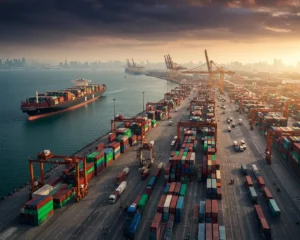
Sea transport is essential for global trade. Many companies rely on it when moving items internationally. Businesses often ask about goods or cargo transported by sea and how these solutions benefit their operations. Ocean shipping accommodates large volumes, making it ideal for oversized or containerized items.

This method is often used when looking at the term for the transport of goods in the shipping industry, which generally includes container shipping, bulk shipping, and tanker shipping. Companies dealing with international shipments often need to manage sold goods FOB shipping point transportation costs, which define the responsibility of buyers and sellers. Sea transport becomes part of wider shipping and logistics services, ensuring your goods move smoothly from one country to the next.

4. Understanding Perishable and High Value Transport

Every product has different requirements, and perishable or high value items need extra care. In the perishable goods transportation market, businesses require solutions that maintain consistent temperatures. Items like food, medicine, and flowers need special handling, which is why perishable goods transport and refrigerated goods transport exist.

Products that spoil quickly need specialized trailers or containers. Staff handling these items must understand the transportation of perishable goods and how to manage time sensitive cargo. For high value shipments, companies use high value goods transport services to prevent damage or loss. This ensures security during every stage of transportation.

Businesses handling restricted or harmful cargo require even more care. This includes transport dangerous goods, which requires training and certification. Many professionals complete a transportation of dangerous goods course, followed by transportation of dangerous goods training, and a transportation of dangerous goods certificate. European companies sometimes refer to ADR goods transport, which defines strict rules for hazardous materials.

5. Mixed Mode and Containerized Solutions

Many companies now use a combination of transport methods. This is known as intermodal transport services, where containers move between ships, trains, and trucks without unloading the cargo. This improves speed, reduces damage, and streamlines logistics.

Businesses that rely on shipment stability often use containerized freight transport for secure movement. These services protect shipments from theft, weather, and damage. They also support containerized freight transport at ports, rail terminals, and large distribution centers.

6. Trucks and Vehicles for Goods Transport

Road vehicles vary depending on the type of shipment. A large boxlike motor vehicle for transporting goods is usually a cargo truck. These trucks move everything from construction materials to electronics. Companies may also use a truck for transporting goods or trucks for transporting goods depending on the quantity and weight.

Some businesses operate a large vehicle used for transporting goods, such as long haul trailers, flatbeds, tankers, and refrigerated trucks. Selecting the right vehicle is important when safety and stability are priorities. Drivers must also choose the correct mode of transportation when the mode of transportation that requires good balance becomes relevant.

7. Logistics and Delivery Solutions

Modern businesses depend on efficient and organized delivery systems. Many rely on logistics and delivery solutions to streamline the entire process from pick up to drop off. These solutions often include routing, tracking, warehousing, and planning.

Companies use these services when reviewing freight transportation rates, selecting national freight shipping, managing regional freight delivery, or arranging cross country freight transport. When operations require scale, teams often optimize transportation logistics management to keep everything running smoothly.

This is also the point where ULS Freight plays an important role by integrating scheduling, tracking, and secure transport within a single system that supports multiple industries.

8. Insurance and Risk Management

Transporting goods carries risks. Items can get damaged, delayed, or lost. This is why many businesses use goods transport insurance to protect their shipments. Insurance helps cover financial losses if something goes wrong during the journey.

Companies handling dangerous goods often need additional insurance. When moving high risk cargo, working with experienced professionals ensures safe and compliant operations. Insurance also plays a key role in commercial transport of goods because certain products require high coverage.

9. Industry Applications and Specialized Transport

Different industries require different transportation methods. Businesses that deal with bulk items rely on bulk goods transport, while companies with smaller shipments use mixed methods. Some industries need speed, while others need stability.

Companies that deal with cold storage products rely heavily on temperature regulation. Meanwhile, those that move chemical products must follow strict safety and compliance rules. Each sector benefits from solutions designed specifically for their operational needs.

This is why ULS Freight offers diverse options that cater to multiple industries without compromising safety or time.

10. Full Service Solutions for Every Shipment Size

Businesses often need multiple transport solutions throughout the year. During peak seasons, shipments increase and require more organization. Many teams use cargo transport services for fast moving operations. Others choose commercial freight transport for large and heavy projects.

Some shipments do not fill an entire truck. This is when LTL freight services become useful. On the other hand, large scale loads benefit most from full truckload freight transport. Understanding your shipment size helps ensure cost efficiency.

This section highlights how ULS Freight supports businesses with complete solutions for both light and heavy cargo.

11. ULS Freight’s Role in Goods Movement

The movement of goods requires planning, safety, and proper execution. From fragile goods to high value shipments, every item deserves the right handling method. This is where experienced professionals make a difference. With extensive industry experience, ULS Freight supports secure, compliant, and on time movement of goods through road, rail, sea, and intermodal solutions.

Whether you run manufacturing, retail, agriculture, construction, medical supply, or e commerce operations, you can find solutions built around your delivery requirements. Consistent tracking, safe handling, and quality service ensure you get reliable performance every time.

Choose the Right Transport Method Today

Making the right transport decision improves safety, speed, and cost efficiency. You can start by understanding your goods, selecting the ideal vehicle or transport mode, and securing the right protection. This is the moment to review your delivery needs, compare the available options, and choose the solution that aligns with your business goals. Careful planning leads to smoother operations and fewer delays. Take action now and arrange your next shipment by Uls Freight with confidence so your goods reach their destination safely and on time.

Frequently Asked Questions

The best method depends on your shipment size and urgency. Road transport is usually preferred because it offers direct pick up and delivery. Smaller shipments often use LTL services, while larger loads benefit from full truckload options. Fragile items may require specialized vehicles for protection. Understanding your shipment characteristics helps you choose the correct option.

Perishable goods move in temperature controlled vehicles designed to maintain product freshness. These units use cooling systems that protect food and medical items from spoilage. Trained staff monitor conditions throughout the trip. Routes are planned to minimize delays and keep items safe. This protects both product quality and customer satisfaction.

Insurance depends on the cargo type and shipment value. High value products require comprehensive protection. Fragile or perishable items need coverage that includes damage risks during handling. Hazardous goods require special policies that follow regulatory standards. Insurance gives you peace of mind during each shipment.

Intermodal transport supports efficient movement across long distances. Containers shift between ships, trucks, and trains without unloading the goods. This reduces handling risks and speeds up delivery. It is cost effective for large and international shipments. Many companies choose it for its stability and flexibility.

ng, and a trusted carrier network to avoid delays. Our dispatch team constantly monitors shipments and updates customers on progress. We schedule pickups and deliveries in coordination with freight terminals to avoid bottlenecks. ULS also offers direct freight and hot shot freight options for time-sensitive loads. We prioritize timeliness while ensuring safe handling.

Road transport uses different types of trucks suited for heavy loads. Flatbeds, tankers, and oversized trailers handle specialized shipments. Businesses rely on this method for regional and national deliveries. Drivers follow safe routes to protect cargo and meet deadlines. This makes road transport a reliable option for heavy goods.

About ULS Freight

We are Road freight forwarder based in Canada, and offering our road freight services all across the USA, Canada, and Mexico for the last 10 years.

Get A Quote

Let us know how we can help with your logistics & delivery needs, and we will be back in touch ASAP