Weight Limits for FTL Freight: Maximum Truckload Capacity Explained
- ULS Freight
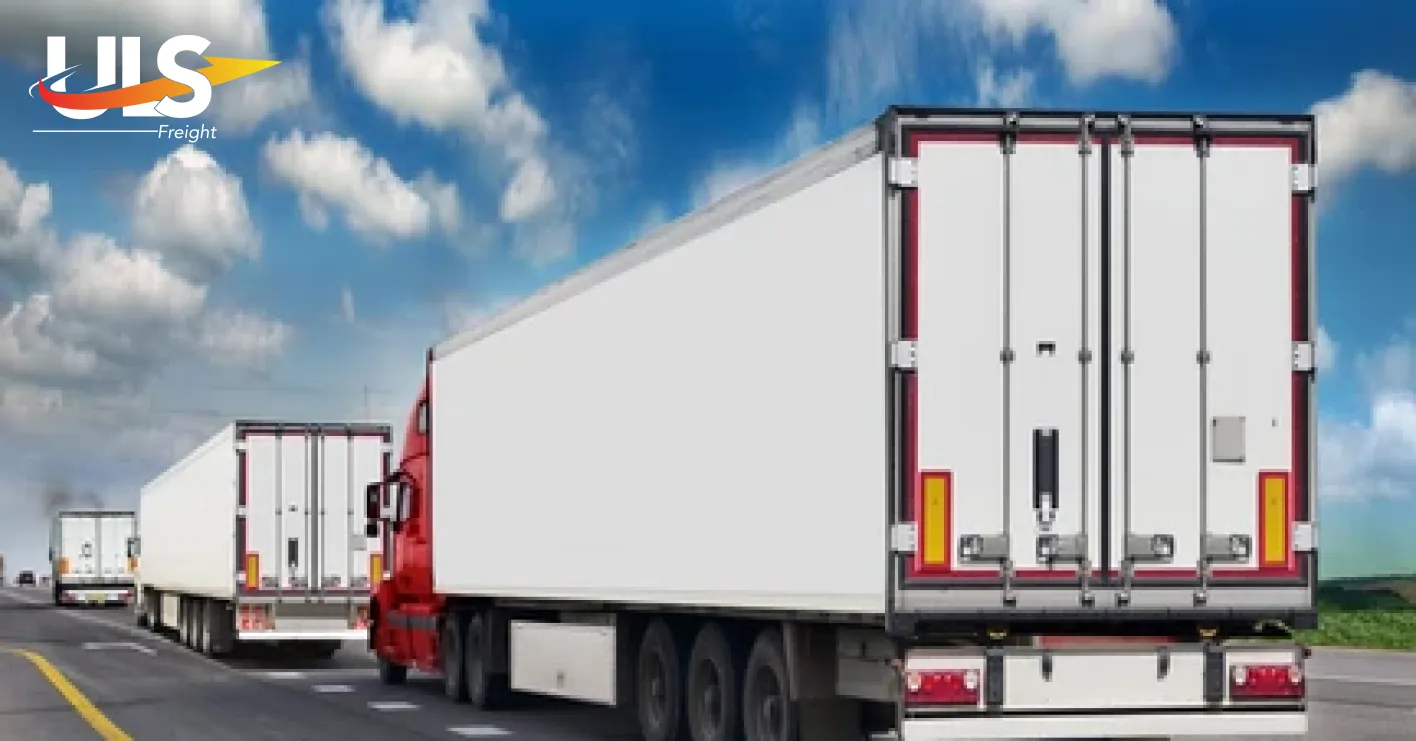
Understanding FTL freight weight limits is one of the most important factors in successful full truckload shipping. Whether you are moving industrial goods, palletized retail freight, or time sensitive commercial shipments, knowing the maximum truckload capacity helps you stay compliant, control costs, and avoid delays.
In both Canada and the United States, truckload freight regulations are strict and are enforced to protect road safety, infrastructure, and cargo integrity.
This guide explains:
FTL freight weight limits
Maximum legal truckload weight
Pallet capacity
Trailer specifications
Axle weight limits
Freight weight compliance rules
So shippers can confidently plan full truckload shipments.
What Is Full Truckload Shipping
Full truckload shipping is used when a shipment requires the exclusive use of an entire trailer. This may be due to shipment weight, volume, security needs, or delivery timeline.
Unlike shared freight, full truckload shipping:
Reduces handling
Improves transit speed
Lowers the risk of cargo damage
FTL shipping is commonly selected when:
Shipment weight exceeds 15000 to 20000 pounds
The shipment includes ten or more pallets
Freight requires direct delivery without transfers
High value or sensitive cargo must remain sealed
Because FTL shipment weight is higher than LTL, understanding truckload freight capacity is essential.
Maximum Legal Truckload Weight
The maximum legal truckload weight is governed by the gross vehicle weight limit. This rule applies across Canada and the United States and includes the total weight of the tractor, trailer, fuel, driver, and cargo.
Gross Vehicle Weight Limit
Maximum allowed gross vehicle weight is 80000 pounds
To stay within this limit, cargo weight must be controlled carefully. This determines the maximum FTL weight a trailer can legally carry.
Standard FTL Load Weight
Typical FTL freight weight limit ranges from 42000 to 45000 pounds of cargo
This range ensures compliance with the gross vehicle weight limit
This weight range defines the standard FTL shipment weight for most dry van operations.
Dry Van Trailer Capacity
53 ft Trailer Weight Limit
The most common equipment used in full truckload shipping is the 53 foot dry van. It offers the best balance of weight capacity, pallet space, and cubic volume.
Maximum cargo weight is typically 44000 to 45000 pounds
Volume capacity ranges from 3500 to 4000 cubic feet
FTL pallet capacity is usually 26 to 30 standard pallets
The 53 ft trailer weight limit is ideal for most truckload freight capacity needs and supports efficient long haul transportation.
48 ft Trailer Capacity
Some shipments use 48 foot trailers, especially in regional or restricted routes.
Lower volume capacity than 53 foot trailers
Reduced pallet count
Lower maximum cargo weight truck allowance
While still suitable for full truckload shipping, the 48 ft trailer capacity is more limited and requires careful planning for weight and space.
Full Truckload Pallet Capacity
The full truckload pallet limit depends on trailer size, pallet dimensions, and cargo weight.
Standard pallets measure 48 by 40 inches
Typical truck freight pallet capacity ranges from 26 to 30 pallets
Heavy freight may reduce pallet count to stay within weight limits
FTL pallet capacity is influenced not only by space but also by freight density.
Freight Density and Weight Distribution
Cargo Weight Distribution Truck
Even when total weight is within limits, improper cargo distribution can cause compliance issues. Cargo must be evenly distributed to prevent axle overload.
Uneven loading can exceed axle limits
Proper pallet placement improves stability and safety
Safe truck loading weight reduces tire and suspension wear
Correct cargo weight distribution is essential for meeting freight weight compliance rules.
Axle Weight Limits Explained
Axle limits play a major role in truckload freight regulations.
Single Axle Weight Limit
Maximum allowed weight is 20000 pounds
Tandem Axle Weight Limit
Maximum allowed weight is 34000 pounds
Exceeding axle weight limits can result in fines even if total weight remains under the maximum legal truckload weight.
Factors Affecting FTL Freight Weight Limits
Several variables influence FTL shipping weight capacity.
Equipment Type
Dry vans allow higher cargo weight
Refrigerated trailers weigh more, reducing payload
Flatbeds may have different weight and securement rules
Freight Density
Dense freight reaches weight limits faster
Lightweight freight may fill the trailer before reaching max weight
Route and Regulations
Provincial and state regulations may vary
Bridge and road restrictions can lower legal limits
These factors impact both FTL freight size limits and maximum truckload capacity.
Truckload Freight Regulations and Compliance
Truckload freight regulations are designed to ensure road safety and infrastructure protection.
Freight Weight Compliance Rules
Accurate shipment weight documentation is required
Axle and gross weight limits must be respected
Improper compliance leads to fines, delays, and reloading
Meeting FTL freight requirements is critical for smooth transportation.
Overweight Freight and Special Permits
Overweight Freight Permits
When a shipment exceeds the maximum truckload weight limit, overweight freight permits are required.
Permits vary by province and state
Special routing and timing may apply
Escort vehicles may be required for heavy freight shipping
Overweight freight shipping also may require specialized trailers and experienced carriers.
When to Use Full Truckload Shipping
Full truckload shipping is recommended when:
Shipment weight exceeds 15000 pounds
Freight occupies most of the trailer
Cargo requires sealed transport
Delivery deadlines are tight
Understanding truckload shipping specifications ensures the correct mode is selected.
FTL Freight Size and Capacity Overview
Standard truckload freight capacity includes:
Maximum legal truckload weight of 80000 pounds gross
Cargo weight capacity of 42000 to 45000 pounds
Full truckload pallet limit of 26 to 30 pallets
Volume capacity of up to 4000 cubic feet
These specifications define commercial freight weight limits for standard dry van shipments.
Importance of Accurate Freight Planning
Accurate freight planning helps shippers:
Avoid overweight violations
Reduce risk of shipment delays
Improve safety and compliance
Optimize shipping costs
Understanding FTL freight weight limits allows businesses to move freight efficiently while remaining compliant with truckload freight regulations.
Final Thoughts on FTL Freight Weight Limits
Full truckload shipping offers efficiency, speed, and reliability for large shipments, but it requires careful attention to weight, size, and regulatory limits.
Knowing the maximum FTL weight, pallet capacity, axle limits, and cargo distribution rules helps ensure smooth operations and avoids costly compliance issues.
By working with an experienced carrier like ULS Freight, shippers can navigate FTL freight requirements with confidence and ensure every shipment meets legal and safety standards.
FAQs
What is the FTL weight limit in kg?
For standard full truckload shipping, the FTL weight limit in kilograms typically ranges between 19000 kg and 20400 kg of cargo. This range ensures the total gross vehicle weight stays within the legal limit of 36287 kg or 80000 pounds when including the truck, trailer, fuel, and driver.
What is the full truckload weight in tons?
A full truckload can usually carry 19 to 21 metric tons of freight. The exact full truck load weight in tons depends on trailer type, axle configuration, and freight density. Dry van trailers allow the highest payload, while refrigerated trailers carry slightly less due to heavier equipment.
What is the LTL weight limit?
Less than truckload shipments generally have a weight limit of up to 15000 pounds or about 6800 kg. LTL freight is designed for smaller shipments that do not require the full capacity of a trailer and are shared with other shippers.
What is the full truckload pallet capacity?
A standard full truckload pallet capacity is 26 to 30 pallets based on 48 by 40 inch pallet dimensions. The actual number depends on pallet height, weight per pallet, and how the freight must be arranged for safe loading.
What is the FTL truck size?
The most common FTL truck size is a 53 foot dry van trailer. This trailer provides maximum flexibility for weight and volume, offering approximately 3500 to 4000 cubic feet of space. Some shipments may also use 48 foot trailers depending on route and availability.
What is the full truckload capacity?
Full truckload capacity refers to both weight and volume. In most cases, you can ship:
Up to 20400 kg of cargo
Up to 30 standard pallets
Up to 4000 cubic feet of freight
This capacity makes FTL ideal for large, dense, or time sensitive shipments.
How do you know if your shipment qualifies as FTL?
Your shipment qualifies as full truckload if it weighs more than 6800 kg, requires ten or more pallets, or needs exclusive use of a trailer for security, speed, or handling reasons. Freight density and delivery urgency also play a role.
Does freight density affect FTL weight limits?
Yes, freight density directly affects how quickly you reach the weight limit. Heavy but compact cargo may reach the maximum allowable weight before filling the trailer, while lightweight freight may fill the trailer without reaching the weight limit.
About ULS Freight
We are Road freight forwarder based in Canada, and offering our road freight services all across the USA, Canada, and Mexico for the last 10 years.
Recent Posts

The Global Supply Chain Crisis: How Logistics Companies Are Responding

Cross-Border Freight Challenges: Navigating Compliance in a Global Market