
Freight Forwarders in Canada: How to Choose the Right Partner for Efficient Shipping
- ULS Freight
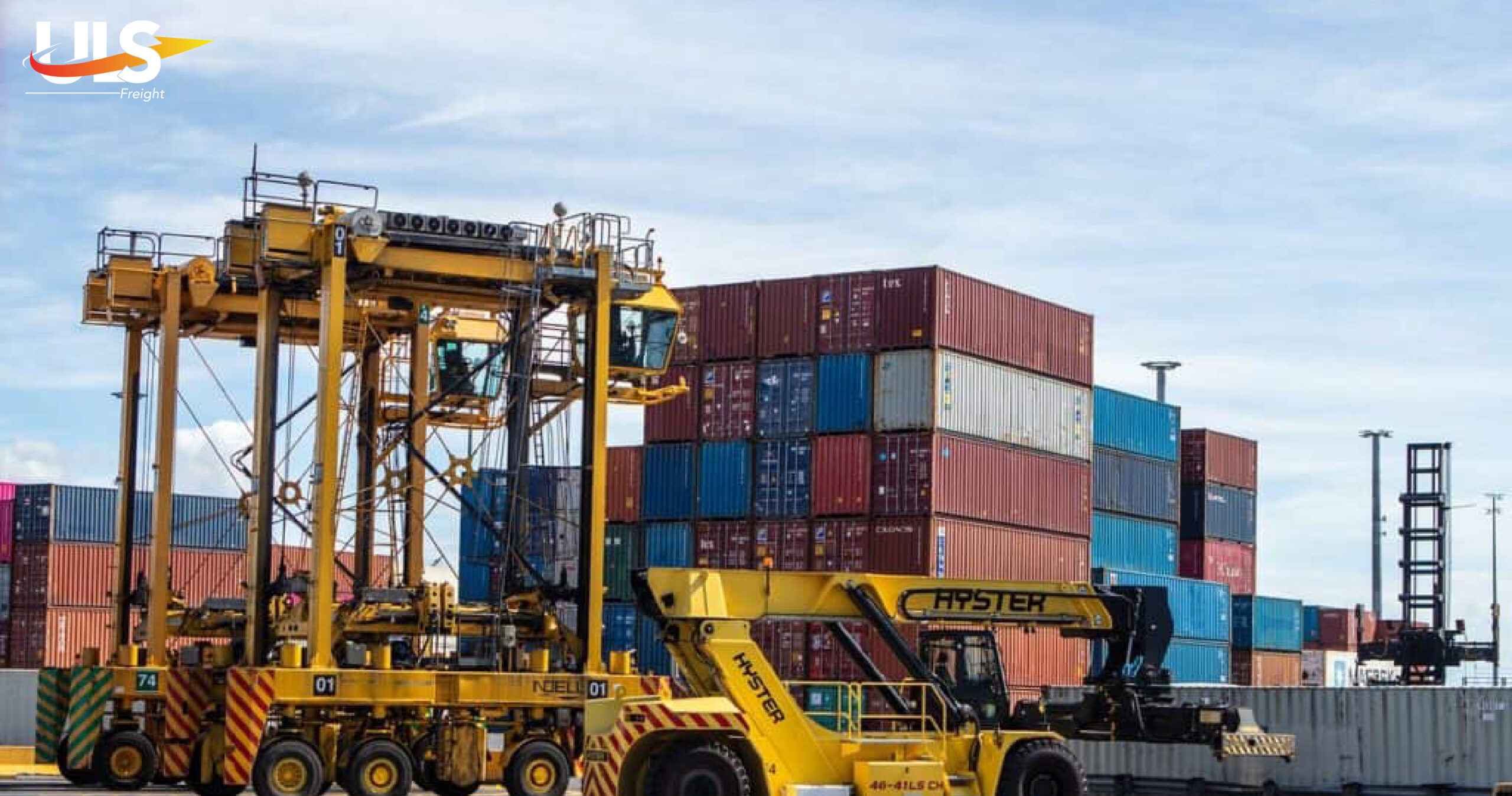
Managing logistics in Canada, whether you’re shipping to Toronto, Vancouver, Montreal, or global markets, is a complex task. From customs clearance to coordinating air, ocean, road, and rail transport, shipping involves dozens of moving parts. Trying to handle this internally can lead to delays, compliance issues, and unexpected costs. That’s why choosing the right freight forwarder is one of the most important business decisions you can make.
A freight forwarder acts as your logistics partner, ensuring your cargo moves smoothly across borders and modes of transport. The right partner will streamline processes, reduce risk, provide expert support, and keep your business running on schedule.
This guide helps you understand what freight forwarders do, why they matter, how to evaluate them, and what questions to ask before partnering—from local shipments in Mississauga to international routes around the world.
What Is a Freight Forwarder?
At its core, a freight forwarder handles the logistics of transporting goods from one place to another. That includes:
Key Responsibilities:
- Booking and coordinating international freight forwarding
- Arranging air freight forwarding for fast global delivery
- Securing space in ocean freight forwarding containers
- Planning road and rail transport for efficient intercity delivery
- Preparing accurate freight forwarding documentation
- Managing customs clearance services
- Tracking shipments from origin to destination
Think of them as your logistics experts who simplify, optimize, and solve problems before they impact your shipment.
A freight forwarder is a strategic partner. They look beyond the transport itself to compliance, documentation, cost efficiency, risk mitigation, and timing.
Why Your Business Needs a Freight Forwarder
No matter the size of your business—whether you’re a startup sending small parcels, a retailer importing products, or an international manufacturer distributing goods globally—freight forwarding expertise matters.
Benefits:
- Expertise in Complex Logistics
Shipping goods, especially across borders, involves countless rules, customs requirements, and documentation. A professional freight forwarder knows how to navigate all of this efficiently. - Cost Reduction
Forwarders have negotiating power and network access that small businesses don’t. They can secure better rates on air, sea, and land transport, saving you money. - Faster Transit Times
Freight forwarders help you choose the most efficient routes and optimal transport modes, balancing speed and cost. - Compliance and Documentation
Incorrect paperwork can lead to seizures, penalties, and delays. Forwarders manage invoices, bills of lading, certificates of origin, and customs documentation for you. - Risk Management
From cargo insurance to compliance with international regulations, forwarders protect your business from common shipping risks. - Business Growth
When logistics are predictable and efficient, you can expand into new markets with confidence.
Types of Freight Forwarding Services
International Freight Forwarding
Global logistics—moving goods between countries, navigating customs, tariffs, and international regulations. Essential for import/export businesses.
Air Freight Forwarding
Best for time-sensitive shipments. Faster but typically more expensive. Ideal for high-value goods, urgent inventory replenishment, or perishable products.
Ocean Freight Forwarding
Ideal for cost-effective long-distance shipping. Slower than air but economical for large volumes and bulk cargo.
Road and Rail Transport
For domestic distribution across Canada and the U.S., forwarders coordinate road and rail transport for last-mile delivery or intercity transport.
What to Look for in a Freight Forwarder
Selecting the right freight forwarder requires more than just choosing the cheapest option. Here are the most important criteria:
1. Range of Services and Capabilities
Your freight forwarder should handle the services you require, whether it’s global export logistics, air freight, ocean freight, or last-mile rail and road transport.
Checklist:
- Air freight forwarding
- Ocean freight forwarding
- Road and rail logistics
- Customs clearance services
- Cargo insurance options
- Warehousing and consolidation
- Real-time tracking
- Freight forwarding documentation support
2. Experience and Industry Expertise
Experience matters. A seasoned freight forwarder understands:
- Regulatory changes
- Seasonal capacity fluctuations
- Port congestion
- Cross-border documentation requirements
Questions to Ask:
- How long have you been in business?
- Do you handle similar shipments to ours?
- Can you show references?
Working with a freight forwarder Canada who understands domestic regulations and trade agreements is highly beneficial.
3. Certifications and Compliance
Reputable, certified forwarders protect your supply chain.
Key Certification:
- CIFFA (Canadian International Freight Forwarders Association) certification demonstrates professionalism and compliance with global freight standards.
4. Transparency and Communication
You should know where your goods are at every stage. Look for:
- Shipment tracking
- Real-time updates
- Clear documentation
- Dedicated customer support
5. Pricing Structure
Best forwarders provide clear, detailed quotes explaining:
- Freight costs
- Customs fees
- Insurance
- Fuel surcharges
- Handling fees
Beware of lowball quotes with hidden charges.
6. Customization and Flexibility
Every business has unique needs. Look for:
- Consolidation services
- LCL (less than container load) and FCL (full container load) options
- Project shipping assistance
- Tailored logistics plans for your product type
Freight Forwarder Canada vs Local Specialists
Freight Forwarder Canada (National Specialists):
- Deep understanding of Canadian customs and regulations
- Strong domestic networks
- Faster coordination for interprovincial logistics
Local Specialists (e.g., Freight Forwarder Mississauga):
- Tailored regional expertise
- Strong relationships with nearby carriers and ports
- Proximity for urgent shipments
Hybrid Approach: A strong local partner with global alliances often provides the best balance.
How Freight Forwarders Help With Customs Clearance
Forwarders help by:
- Preparing documentation like bills of lading, commercial invoices, packing lists, and certificates of origin
- Classifying goods under proper HS codes
- Filing duties, tariffs, and tax information
- Communicating with border agencies
- Handling inspections and compliance checks
Freight Forwarding Documentation You Must Know
| Document | Purpose |
|---|---|
| Bill of Lading | Contract between shipper and carrier |
| Commercial Invoice | Declares value and contents for customs |
| Packing List | Details itemized freight contents |
| Certificate of Origin | Verifies where the goods were produced |
| Export Declaration | Required by exporting country |
| Insurance Certificate | Proof of cargo insurance coverage |
Choosing the Right Transportation Mode
Air Freight Forwarding
- Fastest transit time
- Best for small parcels, high-value products, seasonal inventory
Ocean Freight Forwarding
- Cost-effective for big volumes
- Best for manufacturers, import/export businesses
Road and Rail Transport
- Flexible routes, often cheaper than air
- Best for interprovincial or US border shipments
Real Examples of Freight Forwarding by Business Type
E-Commerce Retailers
Needs: consolidation, last-mile transport, cross-border compliance, returns management
Manufacturers
Needs: full container loads, forklift/pallet coordination, bulk export documentation
Import/Export Businesses
Needs: complete export documentation, tariff optimization, frequent shipment scheduling
Questions to Ask Before Hiring Your Freight Forwarder
- Are you CIFFA-certified?
- What modes of transport do you specialize in?
- How do you handle customs clearance?
- Can you provide references from similar businesses?
- How do you track shipments?
- What are your typical transit times for air vs. ocean?
- What are your pricing and fee structures?
- What insurance options do you provide?
Cost Factors in Freight Forwarding
Prices depend on:
- Shipment size and weight
- Mode of transport
- Origin and destination
- Seasonality
- Customs duties and tariffs
- Insurance needs
Good forwarders help optimize costs by selecting efficient routes and consolidating shipments.
How ULS Freight Helps Businesses in Canada
ULS Freight provides tailored freight forwarding for:
- Domestic Canada distribution
- International shipping
- Air freight forwarding
- Ocean freight forwarding
- Customs clearance services
- Comprehensive documentation support
Why ULS Freight?
- Experienced logistics professionals
- Transparent pricing and documentation
- Real-time tracking and communication
- Customized freight solutions
5 Mistakes Businesses Make With Freight Forwarding
- Choosing the cheapest option without checking reliability
- Ignoring customs requirements
- Failing to plan ahead for peak shipping seasons
- Not tracking shipments in real time
- Overlooking documentation accuracy
Freight Forwarding Trends in Canada for 2026
- Increased demand for cross-border e-commerce logistics
- Greater use of air freight for fast deliveries
- Technological tracking improvements
- Stronger customs compliance tools
- Sustainability initiatives in transport
Conclusion
Choosing the right freight forwarder in Canada is a strategic decision affecting your entire supply chain. From small parcels to full container loads, air freight to ocean shipping, the right partner ensures efficiency, compliance, and cost-effectiveness.
Reliable forwarders like ULS Freight help handle complexities, reduce risk, and deliver solutions tailored to your business.
Ready to streamline your logistics? Contact ULS Freight today for expert freight forwarding services in Canada and beyond.
About ULS Freight
We are Road freight forwarder based in Canada, and offering our road freight services all across the USA, Canada, and Mexico for the last 10 years.
Recent Posts
The Global Supply Chain Crisis: How Logistics Companies Are Responding
Cross-Border Freight Challenges: Navigating Compliance in a Global Market

Freight Forwarding vs. Freight Brokering: Explore the Best Option For Yourself
Top 5 Strategies to Reduce Freight Shipping Costs Without Compromising Speed
The Impact of Canada’s Harsh Winters on Supply Chains & How ULS Freight Helps
Choosing Between Air & Sea Freight for Your Business – The Complete Guide
How 3PL Logistics Solutions Improve Supply Chain Efficiency for Modern Businesses
Ultimate Guide to White Glove Delivery
Freight Forwarding Services: A Complete Guide to Canadian and Cross-Border Shipping

What is White Glove Service & Why It Matters
Frequently Asked Questions (FAQs)
A freight forwarder is a logistics professional or company that manages the transportation of goods on behalf of businesses. They coordinate shipments across multiple transport modes—air, sea, road, and rail—and handle the associated tasks like freight booking, customs clearance, documentation, cargo consolidation, and insurance. In Canada, freight forwarders ensure shipments comply with Canadian import/export regulations, navigate cross-border trade agreements like CUSMA/USMCA, and optimize transit for efficiency and cost. Essentially, they act as your strategic logistics partner, reducing delays and mitigating risk.
Managing logistics independently can be overwhelming due to complex regulations, documentation requirements, customs procedures, and multiple carrier options. Freight forwarders bring:
- Expertise in international trade: Knowledge of tariffs, HS codes, and customs compliance.
- Cost savings: Leveraging networks to negotiate better rates for air, ocean, and land transport.
- Time efficiency: Optimizing routes and modes of transport for faster deliveries.
- Risk mitigation: Managing cargo insurance, compliance, and unexpected delays.
For businesses in Canada—whether startups, e-commerce retailers, or manufacturers—freight forwarders simplify operations and allow focus on core business activities.
- Air Freight Forwarding: Fastest option, ideal for time-sensitive shipments, perishable goods, and high-value products. Transit is measured in days, but costs are higher compared to other modes.
- Ocean Freight Forwarding: Cost-effective for large shipments or bulk cargo. Transit takes longer (weeks) but is significantly cheaper than air freight. Suitable for manufacturers, import/export businesses, and large-volume logistics.
Freight forwarders help determine the best mode based on shipment size, urgency, and cost.
Yes. Customs clearance is a critical part of international shipping, and Canadian freight forwarders:
- Prepare and file all necessary documentation like bills of lading, commercial invoices, packing lists, certificates of origin, and export declarations.
- Classify goods under the correct HS codes and calculate applicable duties and taxes.
- Liaise with Canada Border Services Agency (CBSA) and other authorities to ensure smooth entry or exit.
- Handle inspections and compliance checks to prevent shipment delays or fines.
By managing customs efficiently, forwarders minimize risk and avoid costly disruptions.
Yes. CIFFA (Canadian International Freight Forwarders Association) certification ensures a freight forwarder adheres to professional industry standards, including security, compliance, and ethical business practices. CIFFA-certified forwarders have undergone rigorous training and audits, providing businesses with:
- Verified professionalism and credibility
- Knowledge of Canadian and international logistics regulations
- Reduced operational risk
Certification is a strong indicator of reliability, especially for complex international shipments.
Freight forwarding relies on accurate paperwork to prevent delays, penalties, and shipment errors. Common documents include:
| Document | Purpose |
|---|---|
| Bill of Lading (BOL) | Contract between shipper and carrier |
| Commercial Invoice | Declares value and contents for customs |
| Packing List | Details itemized contents of the shipment |
| Certificate of Origin | Confirms country of production for trade purposes |
| Export Declaration | Required by exporting country authorities |
| Insurance Certificate | Proof of cargo insurance coverage |
Freight forwarders prepare and review all documents to ensure compliance and avoid shipping disruptions.
Freight forwarding needs vary by business:
- E-commerce retailers: Need fast, reliable deliveries with integrated inventory management. Forwarders provide consolidation, last-mile transport, cross-border compliance, and returns management.
- Manufacturers: Require bulk shipping via ocean freight, complemented by rail and road transport. Forwarders handle container loads, forklift coordination, and export documentation.
- Import/export businesses: Depend on precise customs clearance, tariff optimization, and frequent international shipments. Forwarders provide complete export documentation, regular scheduling, and risk management.
By tailoring services to each business type, freight forwarders like ULS Freight help Canadian companies streamline logistics, reduce costs, and scale efficiently.