
Point of Shipment Explained: Meaning, FOB Shipping Point vs FOB Destination in Logistics
- ULS Freight
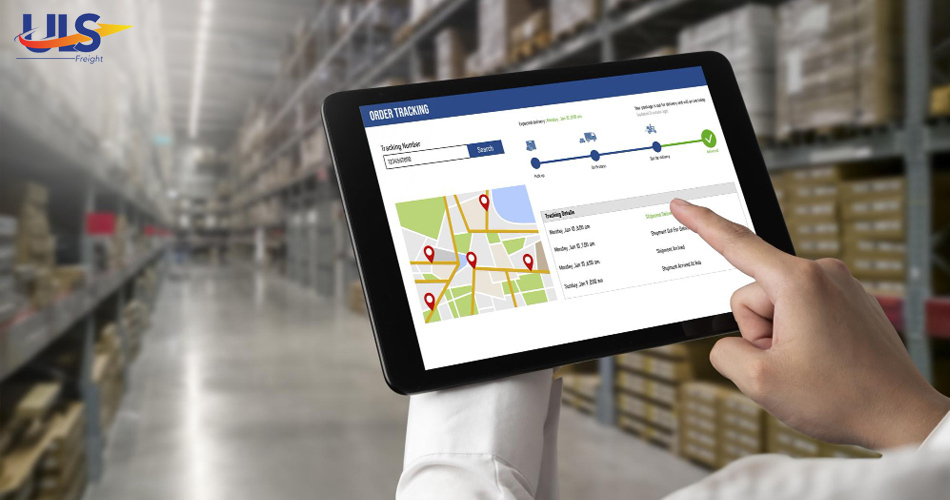
By ULS Freight — Canadian logistics experts helping businesses navigate freight responsibility and shipping terms
Every commercial shipment involves a moment where responsibility transfers from seller to buyer. That moment is defined by your shipping terms, and the two most common terms used in North American trade are FOB shipping point and FOB destination.
Getting these terms wrong in a purchase order or sales contract means the wrong party pays for damage in transit, the wrong party files the insurance claim, and the wrong party absorbs freight cost that was never factored into the deal.
Optimize international shipments with Sea Freight. Use co-shipment and LCL consolidation to reduce freight costs, manage risk, and ensure timely delivery for Canadian importers and exporters.
This guide explains exactly what each term means and when to use which one.
Shipping Point Definition and What FOB Actually Means
What Is a Point of Shipment?
The point of shipment is the specific location where a seller’s responsibility for goods ends and the buyer’s responsibility begins. It is the geographic and legal handoff point built into a freight contract.
The shipping point meaning in any commercial transaction determines:
Who owns the goods during transit
Who bears the risk of loss or damage
Who is liable for freight charges from that point forward
In domestic Canadian and cross-border Canada-US trade, this handoff is almost always expressed through FOB terms.
Free on Board Shipping Explained
FOB stands for free on board.
In free on board shipping, the term identifies the location at which the seller delivers the goods to the carrier and transfers legal ownership and risk to the buyer.
Once goods are free on board at the named location, the seller has fulfilled their delivery obligation regardless of what happens to the shipment during transport.
FOB is used in both:
Domestic North American transactions
International trade using Incoterms FOB shipping
However, the Incoterms FOB shipping definition applies specifically to sea and inland waterway transport, while North American domestic usage is broader.
Key principles:
FOB names a specific location where risk and ownership transfer
Seller’s delivery obligation ends once goods are loaded at the FOB point
Buyer bears freight cost and shipping risk from that point forward
Streamline your supply chain with Warehousing & Inventory Management. Consolidate co-shipped goods, track inventory, and align with FOB shipping terms for smooth Canadian logistics.
Need Help Structuring Freight Terms for Your Canadian Shipments? Contact ULS Freight for Expert Logistics Guidance.
FOB Shipping Point vs FOB Destination — The Key Differences
The FOB shipping point vs FOB destination distinction is the single most important freight responsibility decision in a commercial sales contract.
These two terms distribute risk, cost, and ownership in opposite ways.
Protect temperature-sensitive cargo with Refrigerated Transportation Service. Maintain cold-chain integrity, align insurance and FOB terms, and ensure perishable goods arrive safely.
FOB Shipping Point
Under FOB shipping point, ownership and risk transfer to the buyer at the seller’s loading dock or origin facility the moment goods are handed to the carrier.
The buyer:
Owns the goods during transit
Pays freight charges
Files any carrier claims for damage or loss
From the seller’s perspective, the sale is complete at the point of shipment.
From the buyer’s perspective, they are responsible for a shipment they have not yet received and cannot inspect.
This is the standard term in most wholesale and B2B transactions across Canada and the United States.
Key characteristics:
Risk and ownership transfer at the seller’s origin facility
Buyer pays freight charges
Buyer files damage or loss claims
Seller’s liability ends at the shipping point
Buyer must maintain cargo insurance from the shipping point forward
FOB Destination
Under FOB destination, the seller retains ownership and risk until the goods arrive at the buyer’s named delivery location.
The seller:
Pays freight charges
Retains liability during transit
Handles any damage or loss claims
Ownership transfers only when the goods are delivered and accepted by the buyer.
Benefits for buyers include:
No transit risk
Stronger leverage in damage disputes
No freight responsibility until delivery
Key characteristics:
Seller retains risk during transit
Seller pays freight charges
Ownership transfers upon delivery
Buyer assumes responsibility only after receiving the shipment
ULS Freight Helps Canadian Importers and Exporters Structure Shipments Under the Right FOB Terms. Contact Us Today.
Ship sustainably with Eco-Friendly Services. Reduce carbon footprint, maximize container utilization, and optimize co-shipment freight without compromising delivery speed across Canada.
What FOB Terms Mean in Practice for Canadian Businesses
Transfer of Ownership in Shipping and Your Accounts
The transfer of ownership in shipping affects accounting as well as logistics.
Under FOB shipping point:
Buyer records goods as inventory when they leave the seller’s facility.
Under FOB destination:
Goods remain the seller’s inventory until delivery.
For Canadian businesses managing:
Inventory valuation
Purchase order reconciliation
Financial reporting
Understanding which term applies to each supplier relationship is essential.
Insurance Coverage and Freight Responsibility Shipping Terms
Insurance coverage must match the FOB agreement.
Under FOB shipping point:
The buyer’s cargo insurance must start at the shipping point.
Under FOB destination:
The seller’s insurance must cover the entire transit period.
Failing to align insurance coverage with FOB terms can leave shipments uninsured during the highest-risk stage of transport.
ULS Freight works with Canadian shippers to confirm insurance alignment before shipments move.
Incoterms FOB Shipping for International Trade
Incoterms FOB shipping applies specifically to ocean and inland waterway transport in international trade.
Under Incoterms FOB:
Seller loads goods on board the vessel at the origin port
Risk transfers to the buyer at that moment
Key differences:
Incoterms FOB shipping → used for ocean freight
Domestic FOB → used across trucking, rail, and multimodal shipments
Never mix Incoterms definitions with North American domestic FOB terms in the same contract.
ULS Freight Manages Freight Terms, Documentation, and Shipment Coordination for Canadian Importers and Exporters. Get in Touch.
Avoid delays with Customs Clearance. ULS Freight handles documentation, inspections, and compliance, coordinating shipments under proper FOB terms for seamless cross-border logistics.
Know Your Shipping Terms Before You Sign the Contract
The difference between FOB shipping point and FOB destination determines who pays when something goes wrong in transit.
Correctly defining the shipping point in every purchase order protects your business from absorbing unexpected freight costs or liability.
ULS Freight provides:
Freight expertise
Documentation support
Logistics coordination
to ensure Canadian businesses move goods under the right terms every time.
Contact us today.
About ULS Freight
We are Road freight forwarder based in Canada, and offering our road freight services all across the USA, Canada, and Mexico for the last 10 years.
Recent Posts
The Global Supply Chain Crisis: How Logistics Companies Are Responding

Cross-Border Freight Challenges: Navigating Compliance in a Global Market

Freight Forwarding vs. Freight Brokering: Explore the Best Option For Yourself

Top 5 Strategies to Reduce Freight Shipping Costs Without Compromising Speed

The Impact of Canada’s Harsh Winters on Supply Chains & How ULS Freight Helps
Choosing Between Air & Sea Freight for Your Business – The Complete Guide

How 3PL Logistics Solutions Improve Supply Chain Efficiency for Modern Businesses

Ultimate Guide to White Glove Delivery

Freight Forwarding Services: A Complete Guide to Canadian and Cross-Border Shipping

What is White Glove Service & Why It Matters
Frequently Asked Questions (FAQs)
The point of shipment refers to the location where a seller hands over goods to the carrier and the shipping process officially begins. In logistics contracts, this point determines when responsibility for the goods transfers from the seller to the buyer.
This location is important because it establishes:
Who owns the goods during transit
Who bears the risk of damage or loss
Who pays the freight charges
Who must file insurance or carrier claims
For example, if a contract states FOB shipping point, the buyer assumes ownership and risk as soon as the goods leave the seller’s facility. If the contract uses FOB destination, the seller remains responsible until the goods arrive at the buyer’s location.
Understanding the point of shipment helps businesses manage freight liability, insurance coverage, and inventory accounting correctly.
The main difference between FOB shipping point and FOB destination is when ownership and responsibility for the shipment transfer from the seller to the buyer.
FOB Shipping Point (FOB Origin)
Ownership transfers when goods leave the seller’s facility
The buyer assumes risk during transit
The buyer usually pays shipping costs
The buyer files any damage or loss claims
FOB Destination
Ownership transfers when goods reach the buyer’s location
The seller bears risk during transit
The seller usually pays shipping costs
The seller handles claims for damage or loss
In simple terms:
FOB shipping point protects the seller
FOB destination protects the buyer
These terms are commonly used in Canadian domestic trade and Canada–US shipping agreements.
Under FOB shipping point, the buyer owns the goods as soon as they are loaded onto the carrier at the seller’s location.
Once the shipment leaves the seller’s warehouse:
Ownership transfers immediately to the buyer
The buyer assumes all transit risks
The buyer must file any freight damage or loss claims
The buyer typically pays freight charges
For example, if goods are damaged during transport under FOB shipping point, the buyer must work with the carrier or insurance provider to recover the loss, not the seller.
This term is commonly used in wholesale trade and B2B supply agreements because it limits the seller’s liability once the shipment leaves their facility.
Shipping cost responsibility depends on the FOB term used in the contract.
FOB Shipping Point
The buyer usually pays shipping costs
Freight charges begin once the goods leave the seller’s facility
The buyer arranges insurance if needed
FOB Destination
The seller usually pays shipping costs
Freight costs are often included in the product price
The seller remains responsible until delivery
Although these are the standard arrangements, businesses can modify freight terms within contracts. For example, a seller may ship FOB shipping point but prepay freight and include it in the invoice.
Clearly defining shipping terms prevents disputes over freight bills, damage claims, and insurance coverage.
FOB shipping point typically benefits the seller, while FOB destination benefits the buyer.
Advantages for Sellers (FOB Shipping Point)
Liability ends once goods are shipped
No responsibility for transit damage
Revenue can be recognized earlier in accounting
Advantages for Buyers (FOB Destination)
No risk while goods are in transit
Seller handles shipping claims if damage occurs
Payment often aligns with confirmed delivery
Buyers who want more control over shipping carriers or insurance may prefer FOB shipping point. Buyers who want less risk usually negotiate FOB destination terms.
The right choice depends on risk tolerance, freight volume, and supplier relationships.
FOB shipping terms affect when businesses record inventory and revenue in their accounting systems.
Under FOB Shipping Point
The buyer records inventory when goods leave the seller’s warehouse
The seller records the sale immediately after shipment
Goods in transit are treated as buyer-owned inventory
Under FOB Destination
The buyer records inventory when goods arrive
The seller records revenue only after delivery
Goods remain seller-owned inventory during transit
For businesses managing financial reporting, tax compliance, and inventory valuation, understanding FOB terms is essential to ensure accurate accounting entries.
FOB is also part of international shipping rules known as Incoterms (International Commercial Terms). However, the international definition differs slightly from domestic usage.
In Incoterms FOB (Free on Board):
The seller loads goods onto the vessel at the origin port
Risk transfers to the buyer once the goods are on board the ship
The buyer pays ocean freight and handles insurance
Important distinctions:
Incoterms FOB is used only for ocean or inland waterway transport
Domestic North American FOB terms are used for truck, rail, or multimodal freight
Because the two systems have different rules, businesses should avoid mixing Incoterms FOB with domestic FOB terms in the same contract.