Fleet Trucks in Canada: Building an Efficient and Reliable Transportation Network
- ULS Freight
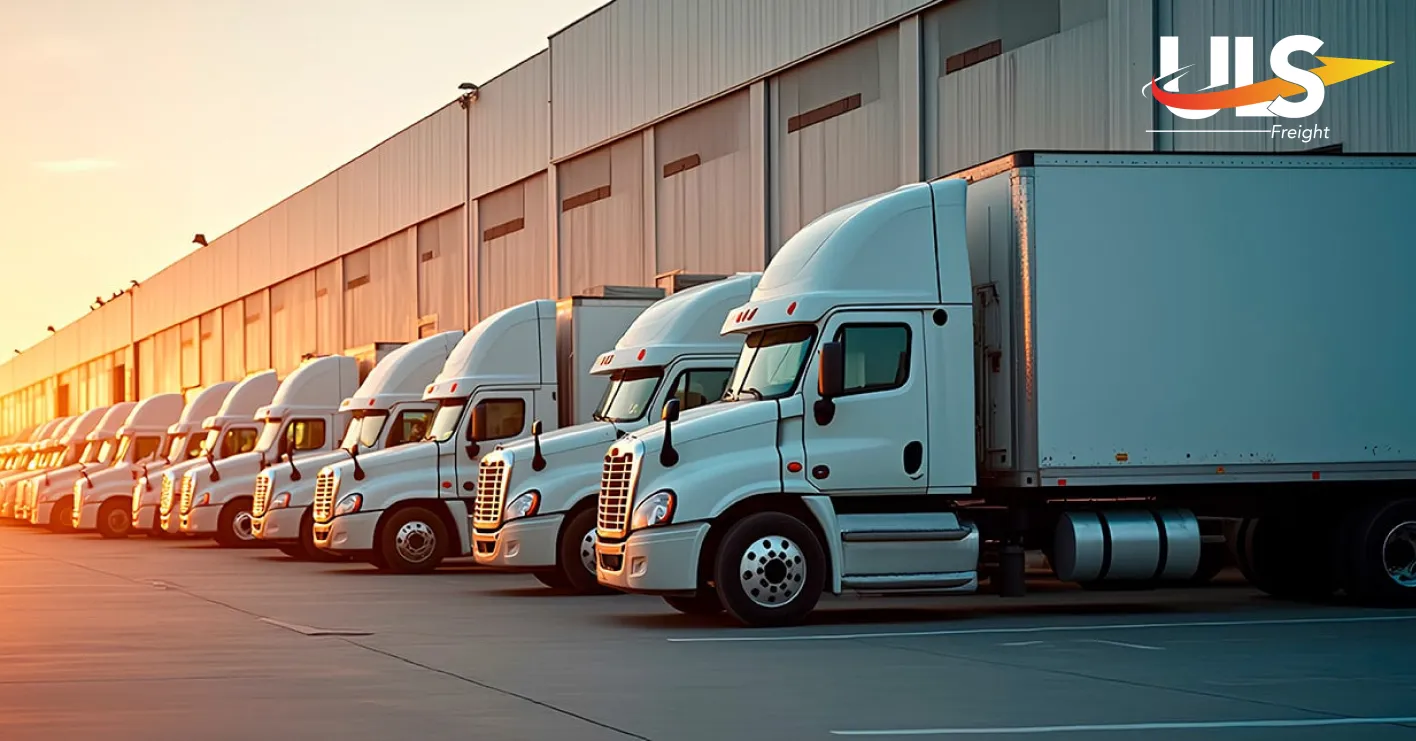
Fleet trucks play a vital role in Canada’s commercial transportation ecosystem. From regional deliveries to nationwide freight movement, businesses across industries rely on fleet vehicles to move goods safely, efficiently, and on schedule. As supply chains become more complex and customer expectations continue to rise, implementing a dependable fleet truck strategy is no longer optional.
Protect your high-value shipments with ULS Freight’s White Gloves Services—precision handling, secure delivery, and professional fleet truck support across Canada.
ULS Freight supports Canadian businesses with fleet truck transportation solutions designed to strengthen logistics performance, enhance delivery reliability, and support long-term operational growth. Whether managing a small business fleet or overseeing large-scale container freight shipping, fleet trucks remain the backbone of an efficient transportation network.
What Is a Fleet Truck?
A fleet truck is a commercial vehicle that operates as part of an organized group of vehicles managed by a business. These trucks support cargo container shipping, intermodal container transport, and daily logistics operations across multiple locations.
Fleet trucks are commonly used for:
Commercial freight transport
Container transport services
Business distribution and deliveries
Warehouse-to-customer shipping
Industrial and construction logistics
Fleet vehicles provide businesses with greater control, operational consistency, and scalable transportation capacity.
Why Fleet Trucks Are Essential for Canadian Businesses
Canada’s vast geography, cross-border trade routes, and diverse climate conditions require a dependable transportation infrastructure. Fleet trucks help businesses manage long distances, seasonal weather challenges, and strict delivery schedules.
Key advantages of fleet trucks include:
Predictable freight movement
Improved container logistics coordination
Greater control over cargo container shipping
Reduced operational disruptions
Scalable transport capacity
ULS Freight partners with companies that depend on fleet trucks to move goods efficiently across provinces and into the United States.
Ensure temperature-sensitive cargo stays safe with ULS Freight’s Refrigerated Transportation, using our reliable fleet trucks and upfitted vehicles for nationwide coverage.
Types of Fleet Trucks Used Across Canada
Different industries require different fleet truck configurations. Selecting the right commercial fleet truck depends on cargo type, delivery volume, and operational environment.
Mid-Size Fleet Trucks
Mid-size fleet trucks are ideal for urban deliveries, retail distribution, and service-based businesses. They offer flexibility, fuel efficiency, and easier navigation in dense city environments.
Full-Size Fleet Trucks
Full-size fleet trucks support higher payloads and longer routes. These vehicles are commonly used for regional freight shipping, container freight shipping, and multi-facility operations.
Heavy-Duty Fleet Trucks
Heavy-duty fleet trucks are built for industrial freight, construction materials, and long-distance transport. They are widely used in mining, manufacturing, and infrastructure projects.
Electric and Hybrid Fleet Trucks
Electric and hybrid fleet trucks are becoming increasingly common in urban and regional operations. They support sustainability initiatives while maintaining strong performance for structured fleet management operations.
ULS Freight’s Air Freight Services complement our fleet truck operations, delivering fast, dependable intermodal transport solutions for Canadian businesses.
Fleet Trucks for Different Business Sectors
Retail and Ecommerce
Retailers and ecommerce companies rely on fleet vehicles for order fulfillment, last-mile delivery, and inventory transfers. Fleet trucks help maintain consistent delivery performance and improve customer satisfaction.
Manufacturing and Industrial Operations
Manufacturers use commercial fleet vehicles to move raw materials, components, and finished goods between facilities. Reliable fleet trucks reduce production delays and supply chain disruptions.
Construction and Infrastructure
Construction firms depend on heavy-duty fleet trucks, fleet chassis cab vehicles, and work-ready trucks to transport equipment and materials. Durability and reliability are essential in demanding environments.
Food and Beverage Distribution
Fleet trucks manage temperature-sensitive and time-critical deliveries. Effective fleet management ensures product safety, quality, and regulatory compliance.
Healthcare and Pharmaceutical Suppliers
Healthcare distributors rely on fleet trucks for secure, scheduled transport of medical supplies and equipment. Consistent vehicle monitoring is critical in this sector.
ULS Freight customizes fleet transportation solutions to meet the specific demands of each industry.
Fleet Management Trucks and Operational Efficiency
Fleet trucks deliver maximum value when supported by structured fleet management systems. Proper oversight improves utilization, minimizes downtime, and enhances service reliability.
Key fleet management priorities include:
Preventive maintenance scheduling
Route optimization
Driver performance insights
Vehicle health monitoring
Load planning and capacity optimization
ULS Freight integrates logistics planning with fleet operations to reduce inefficiencies and maintain consistent service levels.
Move full truckload shipments efficiently with ULS Freight’s fleet trucks, designed for industrial, retail, and construction logistics across provinces and cross-border.
Vehicle Upfitting Solutions for Work-Ready Fleet Trucks
Many businesses require customized fleet trucks tailored to daily operational needs. Vehicle upfitting transforms standard trucks into purpose-built assets.
Common upfitting solutions include:
Cargo shelving and storage systems
Liftgates and loading equipment
Refrigeration units
Safety enhancements
Commercial branding
Properly equipped work-ready trucks improve productivity, reduce handling time, and enhance driver safety.
Commercial Vans and Fleet Vehicles
Commercial vans are widely used by service providers, trades, and delivery companies. These fleet vehicles offer flexibility, customizable interiors, and efficient cargo handling.
Fleet vans are commonly used by:
Maintenance and repair companies
Electrical and plumbing businesses
Courier and logistics providers
Facility service contractors
ULS Freight supports fleet planning for both trucks and commercial vans to optimize operational efficiency.
Electric and Hybrid Fleet Trucks in Canada
Electric and hybrid fleet trucks are gaining momentum as businesses pursue sustainable transportation strategies. Adoption is particularly strong in urban delivery networks and predictable regional routes.
Key benefits include:
Reduced environmental impact
Improved compliance in urban zones
Lower operational noise
Alignment with corporate sustainability goals
Fleet programs and EV integration initiatives continue to shape the future of fleet transportation in Canada.
Fleet Trucks for Sale, Leasing, and Long-Term Deployment
Businesses select fleet acquisition strategies based on growth plans and operational requirements.
Options include:
Fleet trucks for sale in Canada
Fleet truck leasing in Ontario
Fleet truck rentals for seasonal demand
Long-term commercial fleet programs
Whether purchasing or leasing, fleet strategy should align with logistics volume and long-term business objectives.
Optimize your smaller shipments with ULS Freight’s LTL fleet truck services—flexible, scalable, and integrated with container transport and nationwide logistics solutions
Popular Fleet Truck Manufacturers and Programs
Canadian businesses commonly rely on established manufacturers and fleet programs for commercial vehicles. Fleet programs provide scalable solutions, fleet management support, and access to reliable commercial trucks.
Container Logistics and Intermodal Transport
Fleet trucks play a crucial role in container logistics, particularly in intermodal container transport. Businesses depend on fleet trucks to move TEU container units between ports, rail terminals, warehouses, and distribution centers.
Fleet trucks support:
Container transport operations
Cargo container shipping
Intermodal coordination
Container freight shipping across provinces
ULS Freight specializes in integrating fleet trucks into broader container logistics strategies.
Fleet Truck Services and Maintenance
Fleet truck services and maintenance are essential for operational continuity. Routine inspections and proactive servicing reduce downtime and extend vehicle lifespan.
Maintenance planning supports:
Safety compliance
Lower breakdown risk
Consistent delivery performance
Long-term fleet reliability
ULS Freight works closely with businesses to maintain dependable and efficient fleet operations.
Move oversized and heavy cargo safely with ULS Freight’s Flatbed Freight Services. Our fleet trucks handle industrial, construction, and container shipments across Canada—get a quote today!
Why Businesses Choose ULS Freight for Fleet Transportation
ULS Freight delivers fleet truck transportation solutions built for Canadian businesses that require reliability, efficiency, and scalability. We support companies across retail, manufacturing, construction, healthcare, and logistics sectors.
Our approach focuses on:
Operational efficiency
Industry-specific logistics planning
Scalable fleet solutions
Reliable container transport services
We help businesses build transportation networks that enable growth without unnecessary complexity.
Frequently Asked Questions About Fleet Trucks
1. What are fleet trucks and how do they support Canadian businesses?
Fleet trucks are commercial vehicles operated under a unified fleet program to handle freight transport, deliveries, and logistics operations. In Canada, businesses use fleet trucks to manage regional distribution, long-haul shipping, container transport, and cross-border trade. They help improve delivery reliability, reduce downtime, and create predictable transportation workflows across provinces.
2. Which fleet truck brands are most popular in Canada?
Canadian businesses commonly choose commercial vehicles from manufacturers such as Ford, Chevrolet/GMC, RAM (Stellantis), and Toyota. Popular models include heavy-duty pickup trucks, cargo vans, chassis cab trucks, and electric fleet vehicles. Many manufacturers offer dedicated fleet programs, bulk pricing, leasing options, and upfitting support tailored for business operations.
3. Should businesses buy, lease, or rent fleet trucks in Canada?
The right option depends on your operational needs:
Buying is ideal for long-term fleet stability and asset ownership.
Leasing reduces upfront costs and allows easier upgrades.
Renting works best for seasonal demand or short-term projects.
Growing businesses often combine leasing and ownership strategies to maintain flexibility while controlling capital expenses.
4. What industries rely most on fleet trucks in Canada?
Fleet trucks are essential across multiple sectors, including:
Retail and ecommerce distribution
Manufacturing and industrial operations
Construction and infrastructure projects
Food and beverage logistics
Healthcare and pharmaceutical supply chains
Any industry requiring consistent goods movement benefits from a structured fleet transportation strategy.
5. How many vehicles qualify as a business fleet?
There is no strict minimum, but in Canada, businesses operating 5 or more vehicles are typically considered a fleet. Small fleets may consist of 5–50 vehicles, while large enterprises can manage hundreds or thousands. Fleet programs are scalable and can be structured for both small businesses and national operations.
6. Are electric and hybrid fleet trucks practical in Canada?
Yes. Electric and hybrid fleet trucks are increasingly viable, particularly for urban delivery routes and predictable regional operations. Benefits include lower emissions, reduced fuel costs, quieter performance, and alignment with sustainability goals. However, businesses should evaluate charging infrastructure, climate conditions, and route planning before transitioning to EV fleets.
7. What is fleet management and why is it important?
Fleet management involves overseeing vehicle operations, maintenance, driver performance, fuel usage, and route optimization. Effective fleet management improves:
Vehicle uptime
Safety compliance
Operational efficiency
Cost control
Delivery performance
Using telematics, GPS tracking, and preventive maintenance scheduling ensures long-term fleet reliability.
8. How can businesses optimize fleet truck performance in Canada?
Businesses can improve fleet performance by:
Implementing preventive maintenance programs
Optimizing routes to reduce fuel consumption
Upfitting vehicles for specific trade needs
Monitoring vehicle health and driver behavior
Aligning fleet size with shipping volume
Partnering with a logistics provider like ULS Freight helps integrate fleet trucks into a broader transportation and container logistics strategy for scalable growth.
About ULS Freight
We are Road freight forwarder based in Canada, and offering our road freight services all across the USA, Canada, and Mexico for the last 10 years.
Recent Posts

The Global Supply Chain Crisis: How Logistics Companies Are Responding

Cross-Border Freight Challenges: Navigating Compliance in a Global Market