Flatbed Truck (2026): What a Flatbed Truck Is, Uses, Types, and Shipping Tips in Canada & USA
- ULS Freight
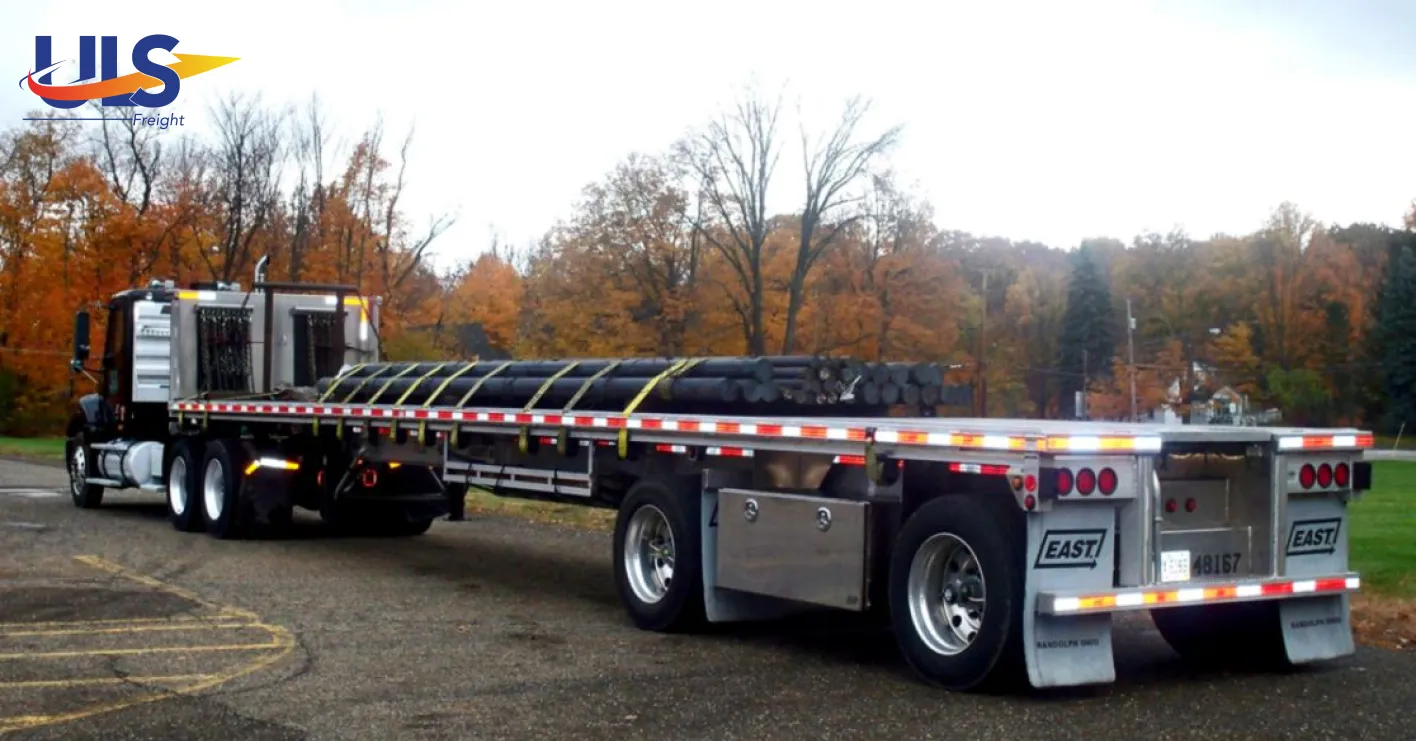
If you’re wondering what a flatbed truck is, the answer is simple: it’s one of the most versatile freight vehicles for moving heavy, oversized, or awkward cargo.
At ULS Freight, we help businesses across Canada and the USA ship construction materials, machinery, and industrial freight using reliable flatbed solutions.
What Is a Flatbed Truck?
A flatbed truck is a commercial vehicle with a completely open trailer—no sides and no roof—built specifically to transport large, heavy, or oversized freight.
Because the bed is flat and unobstructed, a flatbed truck allows loading and unloading from the top, side, or rear using cranes or forklifts.
A flatbed truck is critical in modern freight transportation because it handles cargo that enclosed trailers simply cannot.
Why Flatbed Trucks Are So Important in Freight
Flatbed trucks play a major role in the North American supply chain.
Unlike box trailers, flatbed trucks provide flexibility for tall, wide, and irregular loads.
Key reasons shippers choose a flatbed truck include:
Fast loading from all sides
Ability to carry oversized freight
Better access for cranes and forklifts
Ideal for non-fragile industrial cargo
In both Canada and the USA, a flatbed truck is one of the most commonly used equipment types for construction and manufacturing logistics.
Key Features of a Flatbed Truck
A standard flatbed truck is designed for strength, access, and versatility.
Typical Capacity and Dimensions
Most flatbed trucks can handle:
Up to 48,000 pounds of freight
Trailer length up to 53 feet
Width around 102 inches
Height up to 102 inches
This makes a flatbed truck suitable for heavy and large-scale shipping.
Common Cargo Transported on Flatbed Trucks
A flatbed truck is best for freight that does not require full enclosure.
Typical Loads Include:
Lumber, pipes, and concrete
Steel coils and metal beams
Industrial machinery
Construction equipment
Shipping containers
Because flatbed trucks are open-deck, they are perfect for tall loads that won’t fit inside dry vans.
Flatbed Truck Loading and Unloading Advantages
One of the biggest benefits of a flatbed truck is accessibility.
Flatbed trucks allow loading by:
Crane from above
Forklift from the side
Ramp loading from the rear
This is why a flatbed truck is widely used at ports, warehouses, and construction sites.
Real-world example:
A Toronto construction company shipping steel beams to Michigan will often require a flatbed truck for quick crane unloading on-site.
Types of Flatbed Trucks and Trailer Variations
Not all flatbed trucks are the same. Different loads require different trailer configurations.
1. Standard Flatbed Trailer
A standard flatbed truck is the most common option for general freight.
Best for:
Palletized materials
Building supplies
Industrial freight
2. Step-Deck (Drop-Deck) Flatbed
A step-deck flatbed truck has a lower deck height, allowing taller cargo.
Best for:
Equipment exceeding standard height limits
Large machinery
3. Lowboy Trailers
Lowboys are specialized flatbed trucks for extremely heavy or tall freight.
Best for:
Bulldozers
Excavators
Oversized industrial equipment
4. Extendable Flatbed Trailers
Extendable flatbed trucks are designed for extra-long cargo.
Best for:
Long pipes
Bridge beams
Wind turbine components
Flatbed Truck Securement and Safety
Because flatbed trucks are open, proper securement is essential.
Cargo is typically secured using:
Heavy-duty straps
Chains and binders
Winches
Tarps (when weather protection is needed)
Flatbed trucking also requires regular inspections to ensure compliance with safety regulations across Canada and the USA.
A professional flatbed truck carrier will always follow DOT and Canadian transport securement standards.
Flatbed Truck vs Enclosed Trailer: What’s the Difference?
Many shippers ask whether they need a flatbed or a dry van.
Flatbed Truck
Open trailer
Best for oversized freight
Easy crane loading
Freight exposed to weather
Enclosed Trailer (Dry Van)
Fully covered
Better for fragile goods
Limited by door dimensions
If your freight is tall, wide, or awkwardly shaped, a flatbed truck is usually the right solution.
Flatbed Trucking in Canada and USA (2026 Logistics Outlook)
Flatbed trucking continues to grow due to demand in:
Construction expansion
Infrastructure projects
Cross-border industrial trade
According to industry logistics reports, flatbed freight remains one of the most essential trucking modes in North America because it supports manufacturing, energy, and large-scale building projects.
A flatbed truck is especially valuable for cross-border freight between Ontario, Quebec, and major US states like Michigan, Ohio, and New York.
Practical Tips for Shipping on a Flatbed Truck
If you’re booking a flatbed truck, follow these expert tips:
1. Know Your Freight Dimensions
Always measure:
Length
Width
Height
Weight
Oversized loads may require permits.
2. Choose the Right Trailer Type
Not every load fits a standard flatbed truck.
Step-decks and lowboys may be required.
3. Plan for Weather Exposure
Flatbed trucks are open, so consider:
Tarping
Protective wrapping
Weather-resistant packaging
4. Work With an Experienced Freight Partner
Professional carriers ensure:
Proper securement
Regulatory compliance
Reliable delivery schedules
Why Businesses Choose ULS Freight for Flatbed Shipping
At ULS Freight, we understand that flatbed transportation is not just about moving freight—it’s about moving it safely, efficiently, and on time.
We support flatbed truck freight services for:
Construction supply chains
Industrial equipment transport
Cross-border Canada–USA logistics
Oversized and project cargo
With our expertise, your flatbed truck shipments are handled with precision and care.
FAQ: Flatbed Truck Questions Answered
What is a flatbed truck used for?
A flatbed truck is used to transport heavy, oversized, or awkward cargo like lumber, machinery, steel, and shipping containers.
How much weight can flatbed trucks carry?
Most flatbed trucks can haul up to 48,000 pounds, depending on regulations and axle limits.
What makes flatbed trucks different from regular trucks?
Flatbed trucks have an open trailer with no sides or roof, allowing easier loading for oversized freight.
Do flatbed loads require special securement?
Yes. Flatbed freight must be secured with straps, chains, winches, and sometimes tarps to meet safety standards.
What are the main types of flatbed trucks?
Common types include:
Standard flatbed
Step-deck (drop-deck)
Lowboy
Extendable flatbed
Are flatbed trucks common in Canada–USA shipping?
Yes. Flatbed trucks are widely used for cross-border freight, especially for industrial and construction materials.
Conclusion: Flatbed Truck Shipping Made Simple With ULS Freight
A flatbed truck is one of the most essential tools in modern freight logistics, offering unmatched flexibility for oversized, heavy, and industrial cargo.
From construction materials to machinery and cross-border shipments, flatbed trucks keep Canada and the USA supply chain moving efficiently.
If your business needs trusted flatbed transportation, ULS Freight is ready to help with professional flatbed solutions across North America. Learn more or request a quote today at ULS Freight.
GForce Security delivers professional protection solutions across commercial, residential, healthcare, and retail sectors throughout Ontario and British Columbia. Our specialized Office Facilities Security ensures safe and controlled workplace environments, while our dedicated Parking Enforcement Services help maintain order and compliance in private properties. We also provide compassionate Long Term Patient care security for healthcare facilities requiring constant supervision. Businesses rely on our proactive Mobile Patrol Security supported by a fully equipped Security Operations Centre for 24/7 monitoring and rapid emergency response. From dependable Residential Security Services to advanced Warehouse Security Services, we protect assets, employees, and communities with trained professionals. Our certified Fire Watch Guard teams offer immediate support during fire system failures, and our experienced staff handle Mall Security Services and premium Concierge Security Service solutions for high-traffic properties.
With a strong regional presence, we proudly provide professional security coverage in Vaughan Ontario Canada, trusted guard services in Mississauga Ontario Canada, comprehensive protection across Toronto Ontario Canada, reliable teams in Brampton Ontario Canada , and dependable services throughout Hamilton Ontario Canada. We also extend our expertise to businesses in Kelowna British Columbia and Burnaby British Columbia, ensuring consistent, high-quality protection wherever our clients operate.
About ULS Freight
We are Road freight forwarder based in Canada, and offering our road freight services all across the USA, Canada, and Mexico for the last 10 years.
Recent Posts

The Global Supply Chain Crisis: How Logistics Companies Are Responding

Cross-Border Freight Challenges: Navigating Compliance in a Global Market