
Cargo Ships in Canada: Everything You Need to Know About Shipping, Types, and Costs
- ULS Freight
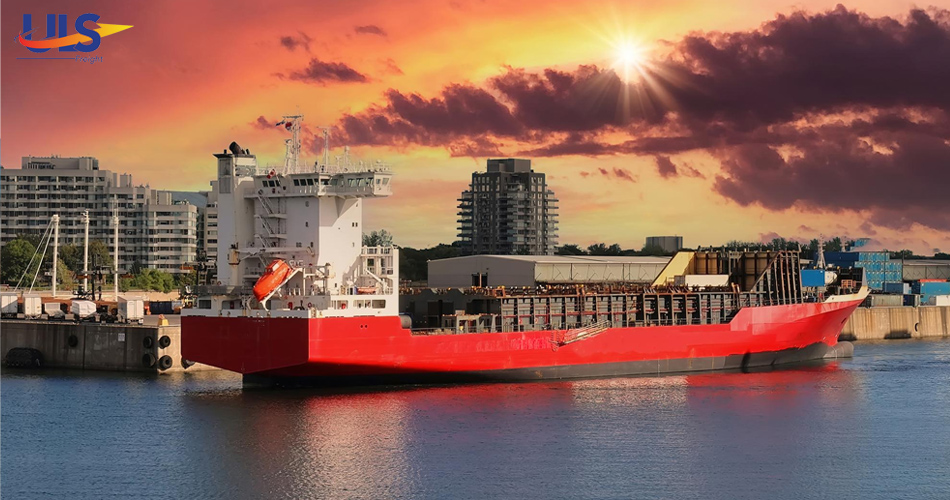
A complete guide to cargo ships and global shipping for Canadian businesses by ULS Freight.
Ship smaller freight efficiently with Less Than Truckload Services (LTL) from ULS Freight. Consolidate cargo, reduce costs, and move goods smoothly from ports to final destinations across Canada and the USA.
Canada’s three ocean coastlines and deep-water ports on both the Atlantic and Pacific make maritime cargo transport a cornerstone of how goods move in and out of the country. Whether you are a Canadian importer, an exporter shipping to global markets, or a business trying to understand how your freight moves once it leaves the dock, this guide covers the cargo ships, vessel types, and cargo shipping costs that drive international trade for Canadian businesses.
Types of Cargo Ships and What Each One Carries
The term cargo ship covers a broad family of shipping vessels, each purpose-built for specific freight. Knowing the difference matters when arranging international cargo transport.
Container Ship
Handles the majority of Canada’s import and export volume.
Carries standardized intermodal containers stacked in holds and on deck.
Transports consumer goods, automotive parts, electronics, and packaged food.
Main Canadian gateways: Vancouver, Montreal, and Halifax.
Dry Bulk Carrier
Transports unpackaged commodities like grain, coal, potash, and iron ore.
Canada is a top global exporter of grain and potash.
Primary vessel type moving these commodities to Asia, Europe, and South America.
Move high-volume cargo faster with Full Truckload Services (FTL) by ULS Freight. Ideal for container imports from Canadian ports, ensuring secure, direct transportation with fewer stops and faster delivery times.
Tanker Ship
Carries liquid bulk cargo such as crude oil, refined petroleum, chemicals, and LNG.
Vessel sizes range from small coastal tankers to very large crude carriers.
Critical for Canada’s energy export sector.
Reefer Ship
Refrigerated cargo vessel maintaining controlled temperatures.
Moves fresh/frozen food, pharmaceuticals, and temperature-sensitive chemicals.
Ro-Ro Ship
Carries wheeled cargo that rolls on/off under its own power or by tow.
Transports finished vehicles, heavy machinery, trailers, and construction equipment.
Key for Canada’s automotive sector.
Transport oversized cargo and heavy equipment with reliable Flatbed Freight Services from ULS Freight. Perfect for machinery, construction materials, and project freight arriving through Canadian cargo ports.
General Cargo Ship
Handles breakbulk, palletized, and project freight that doesn’t fit into standard containers.
Ideal for industrial equipment or oversized machinery shipped to smaller ports.
Summary Table of Cargo Ship Types and Cargo
Container ship: intermodal containers, consumer goods, manufactured products
Dry bulk carrier: grain, potash, coal, unpackaged commodities
Tanker ship: crude oil, refined products, LNG, chemicals
Reefer ship: temperature-controlled food, pharmaceuticals, perishables
Ro-Ro ship: vehicles, trailers, heavy machinery, wheeled cargo
General cargo/merchant ship: breakbulk, project, oversized freight
Shipping internationally from Canada? Contact ULS Freight for expert ocean freight coordination and competitive cargo shipping rates.
What Drives Cargo Shipping Costs
Cargo shipping costs are among the most variable elements of international trade. Understanding the drivers helps you plan accurately and work effectively with your logistics partner.
Freight Rate and Trade Lane
Base ocean freight rate reflects supply and demand on a route.
High-volume transpacific and transatlantic lanes offer more carrier competition.
Global shipping rates fluctuate with fuel costs, port congestion, and seasonal demand.
Booking through ULS Freight provides access to negotiated carrier rates.
FCL versus LCL
FCL (Full Container Load): Entire container, priced per container.
LCL (Less than Container Load): Shares container space, priced per cubic metre or tonne.
LCL suits smaller shipments; FCL is more cost-effective for full containers.
Surcharges and Port Fees
Total costs include terminal handling, fuel surcharges, port congestion, documentation, and customs clearance.
Fully itemized quotes from ULS Freight ensure transparency.
Get a cargo shipping cost estimate from ULS Freight for your next international shipment.
Ensure seamless inland logistics with dependable Ground Freight Services by ULS Freight. Connect ocean cargo shipments from Canadian ports to warehouses, distribution centers, and business locations.
Canada’s Role in Global Shipping
Canada’s position in global shipping is built on geography and commodity strength.
Pacific ports connect to Asia via fast transpacific lanes.
Atlantic ports link to Europe and provide inland rail access.
Deep-water berths accommodate the largest vessels.
Key Contributions to Global Cargo Transport
Grain and oilseeds on dry bulk carriers at Thunder Bay, Vancouver, and Prince Rupert
Potash and fertilizer shipped from Saskatchewan worldwide
Crude oil and LNG via tanker ships from Atlantic and Pacific terminals
Automotive products and manufactured goods via container ships and Ro-Ro vessels
Consumer and manufactured imports arriving from Asia and Europe
ULS Freight coordinates cargo transport for Canadian importers and exporters.
Crew on Cargo Ships and Vessel Operations
Crew Structure
Small freighters: ~13 crew members
Large container ships/tankers: 30+ crew
Roles include master, deck and engineering officers, and ratings
Navigation and Technology
GPS, electronic charts, automated identification systems, and weather routing software optimize fuel efficiency and on-time arrival.
Qualified crew remain essential for watch-keeping, cargo monitoring, and emergency response.
Protect temperature-sensitive cargo with advanced Refrigerated Transportation Services from ULS Freight. Ideal for seafood, food products, pharmaceuticals, and perishables shipped through Canada’s ports.
Global Crew Recruitment
Seafarers from the Philippines, India, Eastern Europe, and Canada serve across the global merchant fleet.
Transport Canada certifies Canadians on Canadian-flagged vessels.
Know your cargo ships. Ship smarter with ULS Freight.
About ULS Freight
We are Road freight forwarder based in Canada, and offering our road freight services all across the USA, Canada, and Mexico for the last 10 years.
Recent Posts
The Global Supply Chain Crisis: How Logistics Companies Are Responding

Cross-Border Freight Challenges: Navigating Compliance in a Global Market

Freight Forwarding vs. Freight Brokering: Explore the Best Option For Yourself
Top 5 Strategies to Reduce Freight Shipping Costs Without Compromising Speed

The Impact of Canada’s Harsh Winters on Supply Chains & How ULS Freight Helps
Choosing Between Air & Sea Freight for Your Business – The Complete Guide

How 3PL Logistics Solutions Improve Supply Chain Efficiency for Modern Businesses
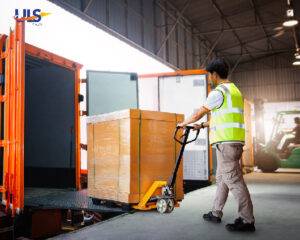
Ultimate Guide to White Glove Delivery
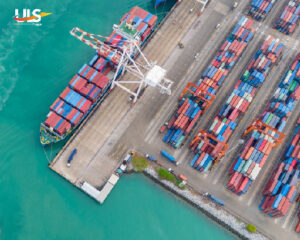
Freight Forwarding Services: A Complete Guide to Canadian and Cross-Border Shipping

What is White Glove Service & Why It Matters
Frequently Asked Questions (FAQs)
Cargo ships in Canada are large merchant vessels designed to transport goods, commodities, and materials across oceans and inland waterways. They play a crucial role in international trade by moving large volumes of freight between Canada and global markets.
These ships transport a wide variety of cargo including containerized consumer goods, bulk commodities such as grain and potash, crude oil and petroleum products, vehicles, heavy machinery, and temperature-controlled food products. Canada’s major ports—including Vancouver, Montreal, Halifax, and Prince Rupert—handle millions of tonnes of cargo every year.
For businesses importing or exporting internationally, logistics companies like ULS Freight coordinate the entire shipping process, including ocean freight booking, container transport, customs documentation, and inland delivery.
Yes, Canada has an extensive marine transportation network supported by major cargo ports and a strong global shipping presence. With coastlines on the Pacific Ocean, Atlantic Ocean, and Arctic Ocean, Canada relies heavily on marine cargo transport for both domestic and international trade.
Some of the busiest cargo ports in Canada include:
Port of Vancouver – Canada’s largest port and primary gateway to Asia
Port of Montreal – Major container and general cargo hub for Eastern Canada
Port of Halifax – Key Atlantic container port connecting to Europe and global trade routes
Port of Prince Rupert – Fast-growing Pacific gateway with strong rail connections
Freight forwarding companies like ULS Freight help Canadian businesses move cargo efficiently through these ports by coordinating ocean shipping, container drayage, trucking, and final delivery.
Several types of cargo ships operate in Canadian trade, each designed to transport specific types of goods.
The most common cargo ship types include:
Container Ships – Carry standardized containers filled with consumer goods, electronics, automotive parts, and packaged products.
Dry Bulk Carriers – Transport unpackaged commodities such as grain, coal, potash, and iron ore.
Tanker Ships – Move liquid cargo including crude oil, petroleum products, and chemicals.
Reefer Ships – Refrigerated vessels used for temperature-sensitive cargo like food and pharmaceuticals.
Ro-Ro Ships (Roll-On/Roll-Off) – Carry vehicles, trailers, and heavy machinery that can roll onto the vessel.
General Cargo Ships – Transport breakbulk or oversized freight that does not fit into standard containers.
Logistics providers such as ULS Freight select the most suitable vessel type based on cargo size, weight, destination, and shipping timeline.
Cargo ships leaving Canadian ports transport a wide range of exports and imports that support the global supply chain.
Common Canadian exports transported by cargo ships include:
Grain and agricultural products
Potash and fertilizer
Forest products and lumber
Crude oil and liquefied natural gas (LNG)
Minerals and metals
Automotive products and industrial equipment
Imports arriving in Canada often include consumer goods, electronics, machinery, clothing, and retail products.
Freight forwarders like ULS Freight help businesses manage these shipments by arranging ocean freight, coordinating container transport, and ensuring smooth customs clearance.
Cargo shipping costs from Canada vary depending on several factors related to the shipment and trade route. Ocean freight pricing is typically influenced by:
Shipping distance and trade lane
Container type and size (20ft, 40ft, refrigerated)
Cargo weight and volume
Fuel surcharges and port fees
Seasonal demand and carrier availability
Terminal handling and documentation charges
For example, FCL (Full Container Load) shipments are priced per container, while LCL (Less Than Container Load) shipments are priced based on volume or weight.
Logistics providers like ULS Freight help businesses reduce costs by negotiating carrier rates, consolidating cargo, and providing transparent freight quotes.
Cargo ships are typically owned and operated by large international shipping companies or maritime transport operators. These companies manage fleets of container vessels, bulk carriers, tankers, and other specialized ships that move goods worldwide.
Some shipping companies operate globally across multiple trade routes, while others specialize in regional transport or specific cargo types. These ships are crewed by professional seafarers including captains, engineers, navigation officers, and deck crews responsible for vessel operations and cargo safety.
Freight forwarding companies such as ULS Freight work directly with these global shipping lines to book cargo space, manage shipping schedules, and coordinate transportation from origin to destination.
Shipping cargo internationally from Canada involves several steps, including cargo preparation, carrier booking, documentation, customs clearance, and final delivery. Businesses typically work with freight forwarders to simplify this process.
The standard international shipping process includes:
Cargo booking with a shipping line
Container loading or freight consolidation
Export documentation and customs clearance
Ocean transport to the destination port
Import clearance and inland delivery
A logistics partner like ULS Freight manages the entire cargo shipping chain by providing services such as:
Ocean freight coordination
Container drayage and trucking
Full Truckload (FTL) and Less-Than-Truckload (LTL) transport
Warehousing and distribution
Customs documentation support
This end-to-end support helps Canadian businesses move freight efficiently while reducing shipping delays and operational complexity.